
Planting
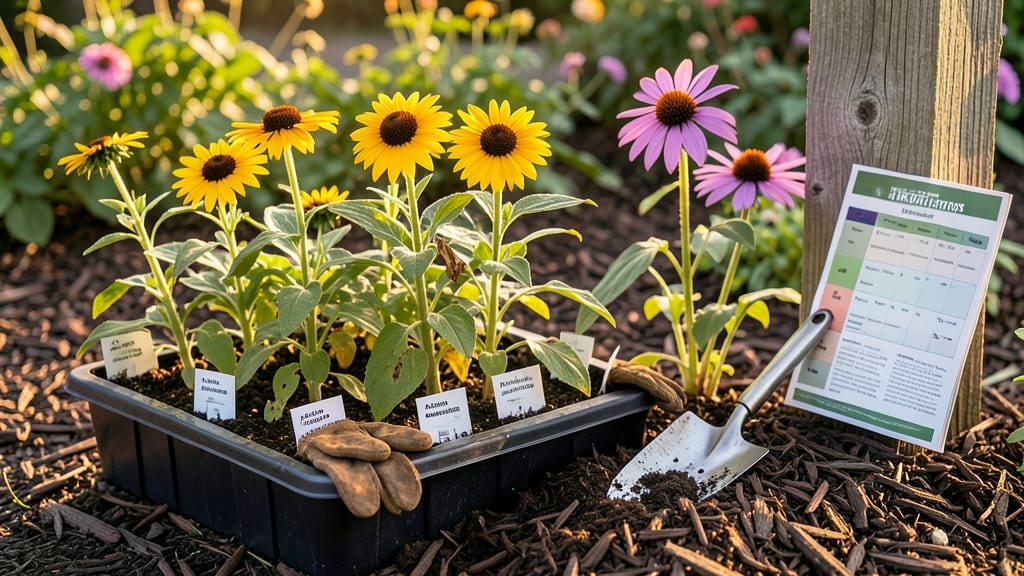
Planting your garden in NC at the right time means the difference between a bounty of fresh tomatoes and a sad, wilted mess 🌱—and the clock starts when the soil warms up, not just after the last frost.
North Carolina’s diverse climate—from the mountains to the coast—means your planting schedule must be as precise as your green thumb. Get it wrong, and your tomatoes could bolt before ripening, or your lettuce might freeze in the first frost.
Here’s your county-by-county guide to timing your garden for maximum harvests, backed by frost data and expert tips.
Cool-season crops like spinach and peas thrive in early spring when temperatures hover around 50°F, while warm-season favorites like peppers and squash need to wait until the soil hits 60°F or higher.
The key is knowing when to start seeds indoors, when to transplant seedlings, and how to adjust for microclimates—like urban heat islands or sheltered valleys—that can shift your ideal planting window by weeks.
In this guide, you’ll find region-specific frost dates, soil prep strategies, and a list of the best early and late-season crops for NC.
Whether you’re in the Piedmont or the Coastal Plain, we’ll help you avoid common mistakes and get your garden growing strong for a longer, more productive harvest.
NC first frost dates by region: when to plant cool vs warm season crops
North Carolina's 100+ counties span USDA Zones 5-8, creating wildly different frost timelines. The Mountains (Zone 5-6) freeze earlier than the Coastal Plain (Zone 8), while the Piedmont (Zone 7) sits in between.
Understanding these first frost dates ensures you plant warm-season crops early enough and cool-season crops late enough to thrive.
For example, in Asheville (Zone 7a), the average first frost arrives November 15th, while Wilmington (Zone 8b) holds off until January 1st.
These differences mean your tomato plants might need to go in the ground by March 15th in the Mountains but can wait until April 15th near the coast. Let’s break it down region by region so you can plan your planting calendar with confidence.
🌱
| Region | Avg. Last Frost | Avg. First Frost | Warm-Season Planting Window | Cool-Season Planting Window |
|---|---|---|---|---|
| Mountains (Zone 5-6) | April 15 - May 1 | October 15 - November 1 | March 1 - April 15 | July 15 - August 15 |
| Piedmont (Zone 7) | March 15 - April 1 | November 1 - November 15 | March 15 - April 30 | August 1 - September 1 |
| Coastal Plain (Zone 8) | February 15 - March 1 | January 1 - January 15 | April 1 - May 1 | September 1 - October 1 |
| Microclimate Exceptions | Urban heat islands | 1-2 weeks later | Extend warm crops | Start cool crops earlier |
In the Mountains, where first frosts hit as early as October 15th, tomatoes, peppers, and cucumbers must be in the ground by March 1st to mature before frost.
Meanwhile, cool-season crops like spinach and kale can be sown as late as July 15th to avoid bolting in the heat. Use row covers to push these windows even further.
For the Piedmont, your planting window for warm-season crops stretches from March 15th to April 30th, giving you more flexibility. Here, squash and beans thrive when planted by April 15th, while cool-season crops like broccoli and carrots can go in as late as September 1st.
The last frost typically occurs around April 1st, so wait until then to plant heat-loving plants like okra or sweet potatoes.
Down in the Coastal Plain, where first frosts are rare until January, you can plant warm-season crops as late as May 1st and still enjoy a harvest. This region is perfect for late-season tomatoes and peppers, which can be planted in June for a fall harvest.
However, cool-season crops must be in the ground by October 1st to avoid winter damage, with lettuce and radishes being the fastest options.
Don’t forget about microclimates—urban areas like Raleigh
How to adjust planting times for NC’s unpredictable weather patterns
North Carolina’s weather can shift faster than you can say "garden party." One week might bring unseasonably warm temperatures, while the next delivers a late frost that catches even the most seasoned gardeners off guard.
Instead of sticking rigidly to traditional planting schedules, I’ve learned to read the forecast and adjust my timeline based on real-time conditions.
Start by checking the 7-day extended forecast at least 2 weeks before your usual planting window. Look for trends like consistent warmth or persistent rain, which can signal whether to push your schedule earlier or later.
For example, if your area is forecasted for 5+ days above 60°F before your typical last frost date, it might be safe to plant warm-season crops like tomatoes or peppers a few weeks ahead.
Here’s the catch: don’t let forecasts alone dictate your timing. Pair them with soil temperature data. Use a soil thermometer to verify when the ground reaches the minimum temperature for your plants.
For instance, cucumbers and squash need soil temps of at least 65°F, while peppers and eggplants thrive in 70°F+ soil. Planting too early when the soil is still cool can stunt growth or invite disease.
⚠️ Warning: Late Frost Risks
Even if forecasts show mild temperatures, late frosts can still strike—especially in NC’s mountain regions (e.g., Asheville) or higher elevations. If your area has a history of unpredictable spring frosts, delay planting tender crops until after May 15 in most zones. For extra protection, use row covers or cold frames to extend your growing season by 2-4 weeks.
When summer droughts linger—like they often do in the Piedmont region—opt for heat-tolerant varieties of your favorite crops. For example, okra and sweet potatoes thrive in hot, dry conditions, while black-eyed peas can handle poor soil better than many other legumes.
If your usual planting window passes but the weather stays dry, consider succession planting these drought-resistant crops every 2-3 weeks for a steady harvest.
Fall planting is another area where flexibility pays off. If summer brought persistent drought or extreme heat, your soil might still be too warm for cool-season crops like kale or spinach by late August.
Wait until soil temps drop below 70°F—usually mid-to-late September in most of NC—to plant these frost-hardy greens. Use a soil thermometer to confirm readiness, and cover seedlings with lightweight row fabric if a light frost is forecasted.
Finally, trust your microclimate. A south-facing slope warms up faster than a north-facing garden bed, and urban areas often stay 5-10°F warmer than rural zones. If your garden sits in a heat pocket, you might safely plant warm-season crops 1-2 weeks earlier than neighbors in similar zones.
Conversely, if your yard is shaded or near a large body of water, delay planting until conditions match your specific microclimate.
Adjusting your planting schedule isn’t about guessing—it’s about observing, testing, and adapting. With these strategies, you’ll turn NC’s unpredictable weather into an advantage, ensuring your garden thrives year after year. 🌱