
Fertilization
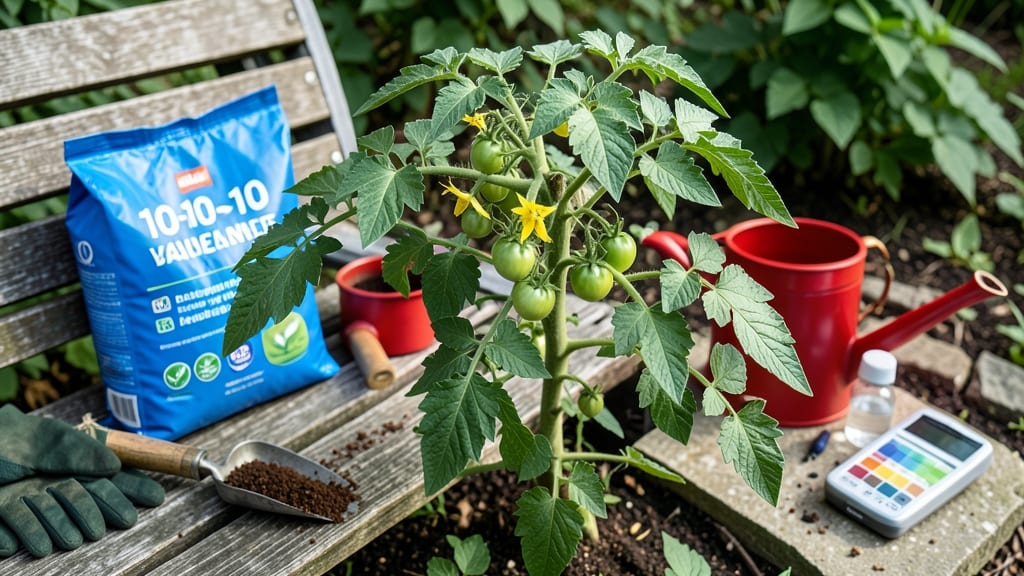
To fertilize your garden effectively, time it by plant type: use slow-release fertilizer in early spring for vegetables, late winter for perennials, and after flowering for annuals. Always test soil first to prevent overfeeding or nutrient imbalances.
Timing matters because plants absorb nutrients differently at various growth stages. 🌱 Vegetables need a nutrient boost when they're actively growing leaves and roots, which is why early spring is ideal. Perennials, on the other hand, benefit from late winter feeding to kickstart their dormant roots before new growth begins.
For annuals, fertilizing after flowering helps replenish nutrients depleted during blooming. I've found that soil testing is the best way to avoid overdoing it—too much fertilizer can burn plant roots or leach into groundwater.
Another key factor is your climate zone. In warmer regions, you might fertilize slightly earlier, while cooler climates may need to wait until the soil warms up. Organic options like compost or manure break down slowly, providing steady nutrition, while synthetic fertilizers offer quick results but require more frequent applications.
Always follow the label instructions for rates and timing to keep your garden thriving without waste.
💡 In This Article
- Seasonal Fertilizing Timelines for Common Garden Plants
- How to Choose the Right Fertilizer for Your Soil and Plants
Seasonal fertilizing timelines for common garden plants
Plants follow natural growth cycles that dictate when they need nutrients most. For vegetables like tomatoes and peppers, the critical window is early spring when roots are establishing and leaves are expanding. This aligns with their vegetative growth phase, where they absorb 30-40% more nitrogen than during flowering.
Perennials, however, rely on late winter feeding to break dormancy—think of it as waking up a hibernating bear with a nutrient-rich meal. 🌱 The science here involves root respiration rates, which peak at 55-65°F soil temperatures, making this the perfect time for nutrient uptake.
Annuals have different needs: they thrive when fertilized after flowering because blooming depletes their nutrient reserves. For example, marigolds and zinnias benefit from a light feeding 6-8 weeks after planting to support continuous blooming.
Lawns follow a similar pattern—apply half the recommended fertilizer dose in early spring and the other half in early fall to encourage deep root growth before winter dormancy.
Climate plays a role too: in USDA Zone 5, timing might shift by 2-3 weeks later compared to Zone 8 due to colder springs.
What most gardeners miss is how soil microbes respond to temperature changes. When soil warms to 50°F, microbial activity ramps up, breaking down organic matter faster and making nutrients available to plants.
This is why warm-season crops like cucumbers and squash should never get fertilizer until soil reaches this threshold—otherwise, nutrients just leach away. 🌡️ The exception? Cool-season crops like kale and spinach can handle early spring feeding even in cooler soils because their roots grow slower, reducing nutrient burn risks.
Here's a quick reference for key plant groups:
- Vegetables: Early spring (March-April in most zones) for leafy greens; May-June for fruiting plants
- Perennials: Late winter (February-March) before new growth appears
- Annuals: After flowering (June-July for summer bloomers)
- Lawns: Early spring (March) and early fall (September)
The biggest mistake is assuming "more is better." Over-fertilizing in hot weather can cause fertilizer burn, where salt concentrations in soil become toxic to roots.
Always water thoroughly after applying to help nutrients penetrate 6-8 inches deep. 💧 For organic gardeners, compost tea applied in early spring provides a gentle nutrient boost without risk of overfeeding.
Pro tip: Mark your calendar based on first frost dates in your area. For most regions, this means fertilizing 4-6 weeks before the last expected frost for spring crops. This timing ensures plants have nutrients when they need them most—right as they're breaking dormancy or entering rapid growth phases.