
Shrubs
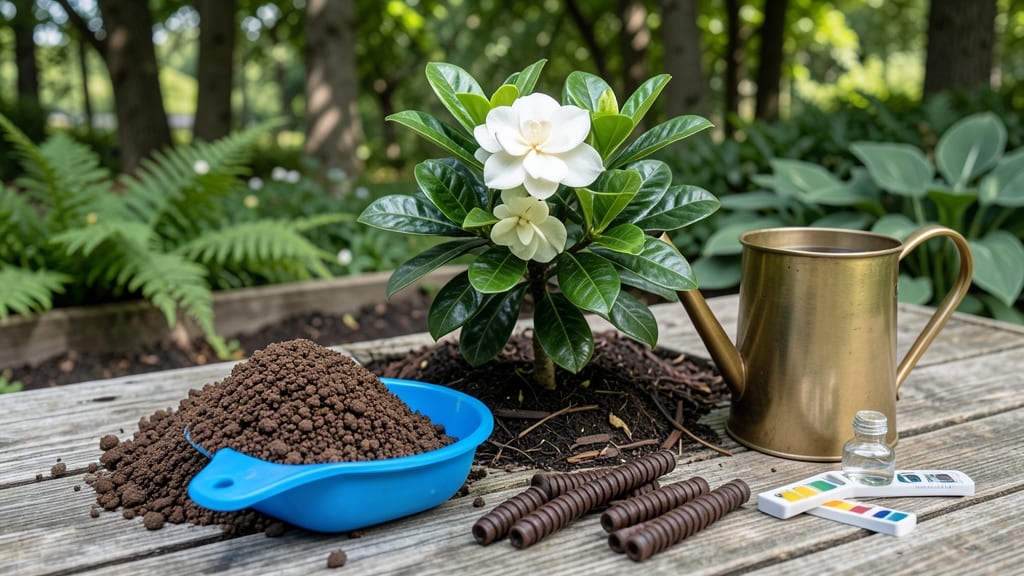
Fertilizing gardenias at the right time 🌸 is the difference between a shrub that dazzles with fragrant blooms and one that struggles to keep up.
Struggling to keep your gardenias blooming as beautifully as they did last year? The secret isn’t just water or sunlight—it’s knowing exactly when to fertilize these fragrant favorites for maximum impact.
In Zone 6, timing matters most: feed in early spring to kickstart growth, then again in late summer to prep for next year’s flowers. But skip winter—overdoing it then burns roots and stunts blooms.
Below, I’ll break down the best months to fertilize, the right products to use, and how to adjust for your climate—whether you’re in a humid South or a cooler North.

Best times to fertilize gardenias: spring vs fall schedule
If your gardenias are struggling to produce those sweetly fragrant blooms year after year, timing your fertilizer applications could be the missing piece. Gardenias thrive on a seasonal feeding schedule that mirrors their natural growth cycles.
Unlike some plants that benefit from year-round feeding, gardenias need a strategic approach—think of it as giving them a spring boost and a fall tune-up rather than constant nourishment.
Most gardeners make the mistake of fertilizing at the wrong times, often leading to burned roots or reduced blooms. The key is understanding when your gardenias are actively growing versus when they’re resting.
In spring, they need nutrient-rich food to fuel new growth and blooms, while in fall, a lighter feeding helps them recover and prepare for dormancy. Let’s break down the exact timing and why it matters so much.
🌸 GARDENIA FERTILIZATION SCHEDULE AT A GLANCE
Spring is the most critical time to fertilize gardenias because it’s when they’re breaking dormancy and preparing for their biggest bloom season. I always start feeding mine in early spring, right after the last frost date in my Zone 6 area.
This timing ensures they have the nutrients they need to produce those iconic white blooms by summer. Use a balanced fertilizer with equal parts nitrogen, phosphorus, and potassium (like a 6-6-6 formula) to support both foliage and flowers.
In summer, gardenias are already in full bloom, so I switch to a lighter feeding schedule. Over-fertilizing now can lead to leaf burn or fewer blooms next year. I recommend a half-strength application of your regular fertilizer every 6-8 weeks to maintain their health without overwhelming them.
If you notice yellowing leaves, it might be a sign of over-fertilization, and you should cut back immediately.
Fall fertilization is often overlooked, but it’s just as important as spring. After your gardenias have finished blooming, they need a light feeding to replenish nutrients and prepare for dormancy.
I apply a slow-release fertilizer in late summer or early fall (around August-September) to give them a gentle nutrient boost without stimulating new growth too close to winter. This helps them store energy for next year’s blooms.
If you live in a warmer climate (like Zones 8-10), your gardenias might not go fully dormant, so you can extend your fall feeding into early October.
However, in colder zones (like Zones 3-5), it’s best to stop fertilizing by late summer to avoid encouraging tender new growth that won’t survive frost. Always check your local frost dates to adjust your schedule accordingly.
One of the biggest mistakes I see gardeners make is fertilizing in winter. Gardenias are dormant during this time, and any nutrients applied won’t be used effectively. Instead, focus on mulching to insulate roots and watering lightly if your area doesn’t get much precipitation.
Winter is the perfect time to prune dead branches and plan next year’s care rather than feeding.
Pro tip: Always fertilize in the early morning after watering. This gives the roots time to absorb nutrients before the heat of the day. I also like to water deeply a day before fertilizing to ensure the soil is moist but not soggy.
This helps prevent root burn and ensures your gardenias get the most out of their nutrient boost.
By following this spring and fall schedule, your gardenias will reward you with healthier foliage, more abundant blooms,
How to choose the right fertilizer for gardenias (and when to apply it)
Gardenia plants thrive when fed the right nutrients at the right time, but choosing between organic and synthetic fertilizers can feel overwhelming. The key is understanding how each type supports your gardenia’s bloom production and foliage health—while avoiding common mistakes that lead to leaf burn or sparse flowers.
Let’s break down the best options and when to apply them for maximum fragrance and vibrant blooms.
Your gardenias need a balanced NPK ratio of 6-6-6 or 8-3-9, with extra attention to iron and micronutrients. Organic options like fish emulsion or compost tea release nutrients slowly, while synthetic fertilizers like Miracle-Gro for Azaleas provide an immediate boost.
Both have pros and cons, especially when timing aligns with your plant’s natural growth cycles.
When to Fertilize Gardenias: Pros & Cons
Spring (March-May)
✅ Pros: Stimulates new growth and blooms
❌ Cons: Overfeeding can cause leaf burn
Summer (June-August)
✅ Pros: Maintains blooming with light feedings
❌ Cons: Too much nitrogen = fewer flowers
Fall (September-October)
✅ Pros: Light feeding boosts root strength
❌ Cons: Late-season feeding delays dormancy
Winter (November-February)
✅ Pros: None (plant is dormant)
❌ Cons: Fertilizing wakes up dormant roots
For granular fertilizers, sprinkle 1 tablespoon around the root zone and water deeply to activate nutrients. Liquid fertilizers like fish emulsion work faster—dilute to half-strength and apply every 4-6 weeks during the growing season. Slow-release options, such as osmocote pellets, are ideal for busy gardeners, as they feed your gardenias for 3-4 months without frequent applications.
Timing is everything: always fertilize in the early morning after watering to prevent root burn. Avoid fertilizing during hot afternoons or when your gardenias are stressed by drought.
If you notice yellow leaves or dropping buds, you’re likely overdoing it—cut back and focus on watering and shade instead.
In tropical climates, gardenias grow year-round, so you can fertilize every 6 weeks. In temperate zones, stick to spring and early summer feedings and taper off by late August to prepare for winter.
Pro tip: Test your soil’s pH (5.0-6.0) annually—gardenias hate alkaline soil, and a chelated iron supplement can work wonders for yellowing leaves.
Remember, the goal is consistent, balanced feeding, not overfeeding. Your gardenias will reward you with glossy leaves and heavily fragrant blooms when you match their needs with the right fertilizer and timing. Happy growing! 🌸