
Picking
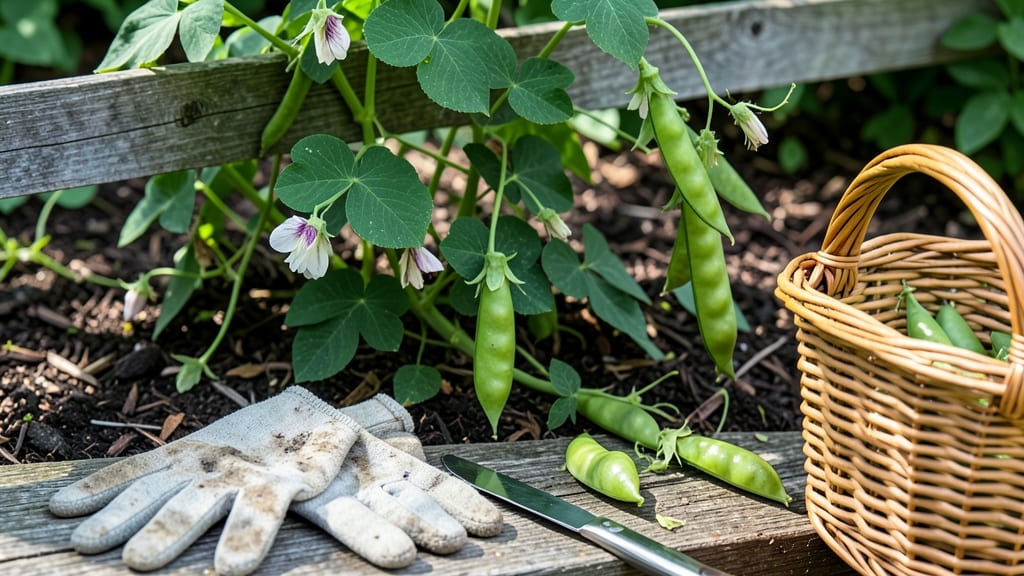
Harvesting garden peas at the right time means capturing their sweetest flavor and tender texture—when pods are 2-3 inches long and bright green 🌱.
Picture this: you’ve been waiting 60-70 days for those first plump pods, only to snap them open and find tough, mealy peas hiding inside. That’s the cost of waiting too long—something I’ve learned the hard way after a few overripe batches.
But timing isn’t just about days after planting. The color of the pod, the firmness when you squeeze it, and even the time of day you pick can make or break the flavor.
Below, I’ll break down the exact cues to watch for, plus how to adjust for spring vs. fall harvests and avoid the most common mistakes.
You’ll leave here knowing not just when to harvest, but how to check for readiness every time—so your peas stay sweet, your plants keep producing, and you never waste another pod again.


How to identify perfect garden pea pod size & color for harvesting
Timing matters more than you think when harvesting garden peas. Pea pods that are too young are tough and flavorless, while overripe pods turn mealy and bitter. The secret to sweet, tender peas lies in recognizing the ideal pod size, color cues, and texture that signal peak ripeness.
Most gardeners wait too long—don’t make that mistake!
Start by examining the pod length. For most varieties, the perfect size falls between 2 to 3 inches. This is when the pods are plump but still tender.
Use your thumb and forefinger to gently pinch the pod—it should feel slightly firm but yield just a little when pressed. If it snaps back, it’s not ready yet.
Next, check the pod color. Bright, vibrant green pods are your target. As peas mature, the pods may start to yellow or develop a waxy sheen—this is a clear sign they’ve passed their prime.
Some varieties, like sugar snap peas, maintain a rich green hue longer, while others, like shelling peas, may darken slightly as they ripen.
Don’t overlook the seed development inside the pod. At the perfect harvest time, the seeds should be visible but still small and underdeveloped. If the seeds fill the pod completely, the peas will be tough and less sweet.
Think of them as tiny, undeveloped peas—this is the sweet spot for flavor.
| Pea Variety | Pod Size | Color | Texture | Seed Stage |
|---|---|---|---|---|
| Sugar Snap Peas | 2-3 inches | Bright green | Firm but slightly soft | Small, undeveloped |
| Shelling Peas | 1.5-2.5 inches | Vibrant green | Plump and tender | Visible but tiny |
| Snow Peas | 1.5-2 inches | Rich green | Slightly crisp | Flat seeds, not bulging |
| Dwarf Peas | 1.5-2 inches | Bright green | Firm and smooth | Small, round seeds |
| Overripe Peas (Avoid!) | 3+ inches | Yellowing or dull | Hard or mealy | Large, fully formed |
For sugar snap peas, aim for pods that are slightly curved but still flexible. If they straighten out completely, they’ve overmatured. With shelling peas, focus on pods that are just starting to swell—they should look like tiny green beans.
Meanwhile, snow peas should be flat and tender, with seeds that are barely noticeable.
Pro tip: Harvest peas in the morning when temperatures are cooler. This ensures the pods are at their crispest and sweetest. Avoid harvesting after a heatwave, as high temperatures can make peas tough and less flavorful.
If you’re unsure, err on the side of harvesting a little earlier—peas won’t improve after picking!
Pay attention to the plant’s overall health too. If the leaves start yellowing or the vines look stressed, it’s a sign the plant is putting energy into seed production rather than pod development.
This often means the peas are past their prime. Healthy plants with lush green foliage will produce the sweetest pods.
One common mistake is assuming all pea varieties ripen at the same time. Dwarf peas and vining peas may have slightly different timelines, so check your specific variety’s guidelines. Some gardeners even plant multiple varieties in succession to extend the harvest season—this way, you’re always picking peas at their peak.
Finally, don’t forget to harvest regularly. Peas produce best when you pick them frequently—every 2-3 days during peak season. This encourages the plant to keep producing new pods instead of focusing on seed development.
Think of it like pruning: the more you harvest, the more your pea plants will reward you with sweet, tender pods.
Best time of day and seasonal timing for pea harvesting
Timing your pea harvest correctly is the secret to maximizing both sweetness and yield. Unlike many vegetables, peas have a narrow window where they're perfect to pick—miss it, and you'll end up with tough, mealy pods or overripe seeds.
The best time of day and season depends on your climate zone and the specific pea variety you're growing.
For most gardeners, harvesting in the early morning is ideal because the pods are cool and crisp after overnight hydration. This timing also helps preserve their natural sugars, which can break down in afternoon heat.
However, if you're in a warm climate, late afternoon harvests may work better to avoid wilting during hot days.
Pick between 6-9 AM when pods are firm and cool. This preserves sweetness and texture for up to 3 days in the fridge.
Harvest between 4-6 PM to avoid heat stress. Pods may wilt faster but retain better flavor than those left in midday sun.
In cool zones (USDA 3-6), harvest spring peas (May-June) and fall peas (Sept-Oct). In warm zones (USDA 7-10), focus on fall/winter harvests to avoid summer heat.
Early varieties (e.g., 'Little Marvel') peak in 60 days—harvest in late spring. Late varieties (e.g., 'Alderman') take 75+ days—harvest in early summer or fall.
Harvest before first frost in fall. If frost threatens, pick all mature pods immediately—even slightly underripe ones will improve with cooking.
In cool climates, like USDA zones 3-6, peas thrive in spring and fall. My experience shows that spring harvests (May-June) yield the sweetest peas because cooler temperatures slow sugar breakdown. For fall plantings, aim to harvest before October's first frost, as cold snaps can turn pods mealy overnight.
Gardeners in warm climates (zones 7-10) should focus on fall and winter harvests to avoid the scorching summer sun. I've found that planting heat-tolerant varieties like 'Oregon Sugar Pod' in late summer lets you harvest through October and November, when temperatures drop.
Always check pods for bright green color and firmness—these are your best indicators of readiness.
For early varieties, like 'Sugar Snap' or 'Snap Peas,' the harvest window is tight—typically 60-70 days after planting. These need frequent checks, as they mature quickly. Late varieties, such as 'Wando' or 'Lincoln,' give you a longer harvest season (up to 80 days) but require patience.
I recommend setting a weekly reminder to inspect pods, especially as they near maturity.
Pro tip: If you're unsure about timing, harvest a few pods daily starting when they reach 2 inches long. This staggered approach ensures you never miss the sweet spot while keeping the plant productive.
Store harvested peas in the fridge for up to 5 days in a perforated bag to maintain crispness.