
Picking
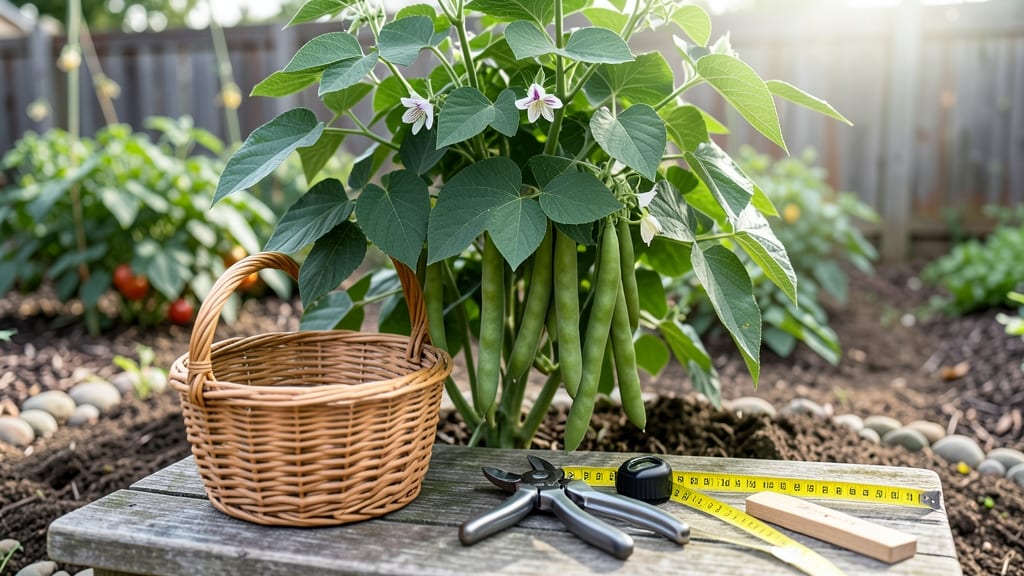
To pick beans from your garden at the perfect moment means harvesting crisp, flavorful pods before they turn tough or stringy — and missing that window can be the difference between a bountiful harvest and wasted effort.
Picture this: you’ve been watching your 🌱 green beans grow, and now they’re reaching that ideal size, but you’re not sure if they’re ready. The truth is, bean maturity isn’t just about color—it’s about size, firmness, and even the time of day you pick.
Get this wrong, and you’ll end up with pods that are either too small or past their prime.
In Zone 6a, where spring planting kicks off in April and harvests stretch from July to September, timing is everything.
Bush beans and pole beans have slightly different cues, but the core rule stays the same: pick when pods are 4-6 inches long, firm to the touch, and snap easily when bent. Ignore these signs, and you’ll lose flavor fast.
Below, I’ll walk you through how to check for maturity, the best tools to use, and how to store your harvest so it stays fresh. Plus, I’ll share the one common mistake that ruins more bean harvests than you’d think—so you can avoid it this season.


How to determine bean pod size for perfect harvest timing
Harvesting beans at the wrong time can turn your crisp, tender pods into tough, stringy disappointments. The key to perfect timing lies in pod size, not just color. While bright green or purple pods might look ready, their finger-width measurement tells the real story.
Understanding this science-backed approach ensures you pick beans at their peak flavor and texture.
Most gardeners focus on pod color, but size is the true indicator of maturity. For green beans, aim for pods that measure about 4-6 inches long and fit snugly between your thumb and forefinger.
This "finger-width" rule works for both bush beans and pole beans, though pole beans often need slightly more time to reach this stage due to their climbing nature.
Here’s why pod size matters more than color: as beans mature, their cell walls thicken, making them tougher. The seeds inside also expand, reducing the edible pod space. When pods reach the ideal size, the seeds are just starting to form, leaving you with the most crisp, flavorful harvest.
Waiting too long means sacrificing tenderness for larger pods that are past their prime.
Bush beans and pole beans follow similar size guidelines, but their growth habits create slight differences. Bush beans mature faster—often in 50-60 days—and may need harvesting every 2-3 days to keep production steady. Pole beans, on the other hand, take 60-70 days to reach harvest size and benefit from a more staggered approach, as their vines continue producing over a longer period.
| Bean Type | Ideal Pod Size | Days to Maturity | Harvest Frequency | Size Check |
|---|---|---|---|---|
| Bush Beans | 4-6 inches | 50-60 days | Every 2-3 days | Fits thumb-finger gap |
| Pole Beans | 5-7 inches | 60-70 days | Every 3-4 days | Slightly thicker pods |
| Snap Beans | 3-5 inches | 45-55 days | Every 2 days | Flat, crisp pods |
| Wax Beans | 5-6 inches | 55-65 days | Every 3 days | Yellow-green hue |
To avoid overgrowth, which leads to wooden, fibrous pods, I recommend checking your beans every 2-3 days. Overripe beans not only lose flavor but also compete with new pods for nutrients, reducing your overall yield.
If you notice pods exceeding 7 inches, it’s a sign you’ve missed your window—time to harvest what you can and focus on encouraging new growth.
Another pro tip: Gently squeeze the pod before picking. It should feel firm but yield slightly when pressed, like a crisp apple. If it feels mushy or hollow, it’s past its prime.
This simple test helps you avoid the disappointment of overmature beans that are tough and stringy. Even if the color looks perfect, size and texture are your best guides.
Climate and location play a role in pod development. In hotter climates, beans may mature faster, so check them more frequently. Conversely, cooler regions might see slower growth, giving you a longer window to harvest.
Always adjust your picking schedule based on local conditions and the specific variety you’re growing.
For pole beans, which grow vertically, pay attention to the topmost pods first. These often mature slightly earlier than those lower on the vine. Harvesting from the top down encourages the plant to produce more pods at the lower nodes, extending your harvest season.
This method also prevents the vines from becoming overburdened with too many mature pods at once.
One common mistake is assuming that color alone determines readiness. While most beans are bright green when ready, some varieties—like purple or yellow beans—retain their color even when overripe.
Always combine color with size and texture for the most accurate assessment. For example, a 6-inch purple pod might look stunning but feel tough if
Common mistakes that ruin bean harvests (and how to avoid them)
Even experienced gardeners sometimes fall into the trap of harvesting beans at the wrong stage. Waiting too long for that perfect color can turn crisp pods into tough, stringy messes. The key is recognizing subtle maturity cues before color fully develops—like the finger-width rule and seed visibility.
I’ve learned the hard way that overripe beans lose flavor fast, and once they’re past prime, there’s no going back.
Many gardeners assume beans are ready when they reach their full color potential, but this is a common misconception. For most varieties, the pods should be 4-6 inches long and firm to the touch, not waiting for the darkest green or purplish hues.
I’ve seen pole beans and bush beans both suffer from this mistake—once they overmature, the texture becomes leathery, and the flavor dulls dramatically.
⚠️ callout-warning
Beans lose crispness and sweetness the moment they turn fully dark green or purple. Check for these 3 signs of overripeness instead:
- ✅ Seeds bulging (they should be visible but not filling the pod)
- ✅ Pods feel tough (not snapping cleanly when bent)
- ✅ Color fades (dull instead of vibrant)
Pro Tip: Harvest every 2-3 days to prevent overgrowth and encourage more production!
The biggest mistake I see is ignoring pod tenderness. A bean ready for harvest should snap easily when you gently bend it—like a fresh carrot stick. If it resists or feels rubbery, it’s past its prime.
I once left a batch of blue lake beans too long, and by the time I noticed, they were leathery and mealy inside. The lesson? Check pods daily during peak harvest season (usually July-September in most climates).
Another overlooked clue is the seed visibility. When beans are ready, you should see small seeds through the pod’s skin, but they shouldn’t be pressing against the sides. If the seeds are large and rounded, the pod has already passed its sweet spot.
I test this by holding a pod up to the light—if the seeds are barely there, it’s too early; if they’re filling the pod, it’s too late.
Climate plays a sneaky role here too. In hotter regions, beans mature faster, so you might need to harvest daily to keep up. Conversely, in cooler areas, pods take longer to ripen, and you can stretch harvests to every 3-4 days.
I once grew contender beans in my Zone 6a garden, and they stayed tender longer because the summer heat wasn’t as intense as in Southern states.
To avoid these pitfalls, I now use a two-step check before harvesting: first, measure the pod against my thumb and forefinger (4-6 inches is ideal), then do the snap test.
If both pass, I know it’s time to pick. This method has saved me from bitter, stringy beans and kept my harvests crisp and flavorful all season long.