
Picking
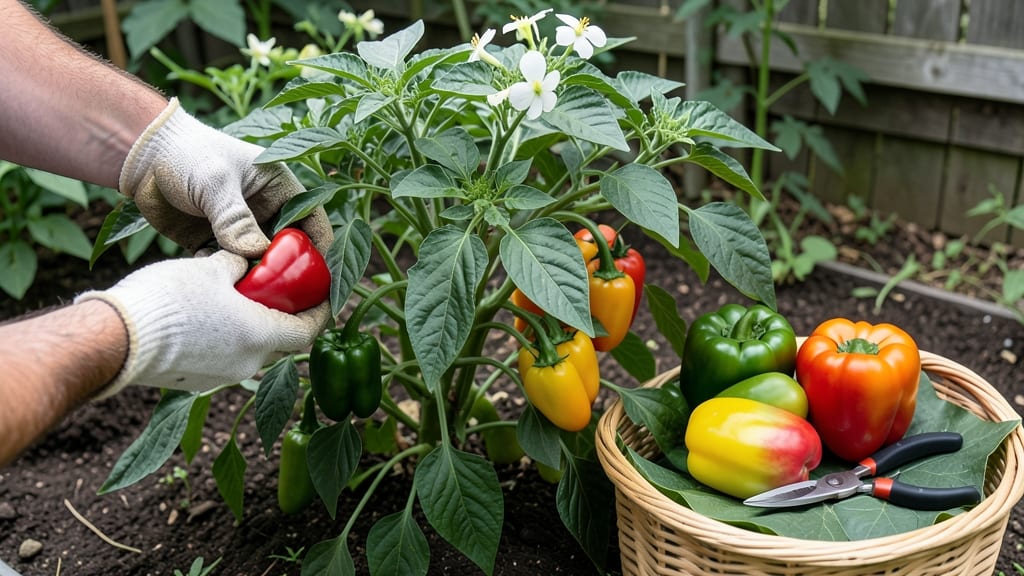
To pick bell peppers from your garden at the perfect moment means capturing their sweetest, crispest flavor—before they turn mealy or tough.
Most gardeners miss the subtle color shifts that signal peak ripeness, like the shift from bright green to deep red or yellow 🌶️. Harvest too early, and you get bland, seedy peppers; wait too long, and they lose their snap. The timing matters just as much as the technique.
In this guide, I’ll walk you through the exact ripeness cues—color, size, and firmness—plus the best time of day to avoid bruising your plants. Whether you’re saving them for fresh salads or long-term storage, these tips will help you avoid the most common mistakes.
You’ll also learn how climate zones and seasonal shifts affect ripening, so you can adjust your strategy whether you’re in Zone 6a or beyond. Let’s get those peppers at their prime!


Bell pepper ripeness stages by color: the exact times to harvest
Bell peppers are one of the most rewarding vegetables to grow, but knowing when to pick bell peppers from garden can make or break your harvest.
The color of your pepper isn't just for show—it's a direct indicator of flavor, texture, and sweetness. Green peppers are often harvested early, while red, yellow, and orange varieties reach their peak sweetness at full maturity.
Understanding these bell pepper ripeness stages ensures you enjoy the best possible taste and texture from your garden.
If you've ever wondered why your bell peppers taste bland or rubbery, the answer likely lies in their ripeness. Harvesting at the wrong stage can turn a crisp, sweet pepper into something tough and bitter.
For example, a red bell pepper left on the vine too long may become overripe and mealy, while a green bell pepper picked too early lacks full flavor development. Let’s break down the exact color-based ripeness stages and the best times to harvest for each.
summary-table
| Ripeness Stage | Color | Flavor Profile | Texture | Best For | Harvest Time |
|---|---|---|---|---|---|
| Green | Solid green | Mild, slightly bitter | Crisp but firm | Pickling, cooking | 60-75 days |
| Yellow | Bright yellow | Sweet, slightly tangy | Slightly softer | Fresh eating, salads | 75-85 days |
| Orange | Deep orange | Very sweet, fruity | Firm but tender | Fresh use, storage | 80-90 days |
| Red | Vibrant red | Sweetest, richest | Firm, slightly leathery | Fresh eating, storage | 90+ days |
Green bell peppers are the most common stage for harvesting, especially if you're growing varieties like Sweet Banana or California Wonder. These peppers are typically ready to pick around 60-75 days after transplanting, depending on the variety.
They’re best for pickling, stir-fries, or cooking, as their flavor is milder compared to fully ripened peppers. If you're growing for fresh eating, however, waiting for color change can make a world of difference in sweetness.
The transition from green to other colors—yellow, orange, or red—signals increasing sweetness and complexity in flavor. For example, a yellow bell pepper is sweeter than its green counterpart and reaches maturity around 75-85 days. These peppers are perfect for adding a pop of color to salads or eating raw.
Their texture is slightly softer, making them ideal for dishes where you want a tender bite. If you're growing yellow varieties like Lemon Boy or Golden California Wonder, keep an eye out for this vibrant shift.
Orange bell peppers are often overlooked but offer a unique balance of sweetness and tang. They typically mature around 80-90 days and are ideal for both fresh eating and storage. Their firm yet tender texture makes them versatile in the kitchen.
Varieties like Orange Crush or Sunny are excellent choices if you're aiming for this ripeness stage. The deeper the orange hue, the sweeter and more flavorful the pepper will be. Don’t wait too long, though—once they turn red, their purpose shifts slightly.
Red bell peppers are the crown jewel of ripeness, offering the sweetest and richest flavor of all stages. They take the longest to mature, often requiring 90+ days from transplanting. The deeper the red color, the more intense the sweetness.
These peppers are perfect for fresh eating, stuffing, or storing in the fridge for later use. Varieties like Red Knight or Gypsy are prized for their vibrant red color and exceptional taste. If you're growing for storage, harvesting at this stage ensures maximum flavor retention.
One common mistake gardeners make is assuming all peppers ripen at the same rate. In reality, temperature and sunlight play critical roles in color development. Cooler temperatures can slow ripening, while consistent sunlight accelerates it. If you're in a shorter growing season, consider harvesting
5 Common mistakes that ruin bell pepper harvest timing (and how to avoid them)
Bell peppers are finicky when it comes to harvest timing—pick too early, and you get bland, tough fruit. Harvest too late, and they may fall victim to pests, disease, or frost. The problem? Most gardeners focus only on color while ignoring hidden triggers that force peppers to mature prematurely.
I’ve seen perfectly sized peppers stop ripening because of overlooked environmental factors, and I’m here to help you avoid the same mistakes.
One of the biggest misconceptions is that all bell peppers follow the same ripening timeline. In reality, variety, temperature, and stress levels can drastically alter when—and if—your peppers reach peak ripeness.
For example, hot peppers like jalapeños may mature faster than sweet bell peppers under the same conditions, leaving gardeners confused about when to harvest. Even consistent watering can backfire if you’re not accounting for soil moisture fluctuations during heatwaves.
Another critical mistake is ignoring the stem’s condition. A soft, green stem means the pepper isn’t ready, but a woody, brown stem signals maturity. Many gardeners skip this check, leading to underripe or overripe harvests.
I’ve also noticed that peppers left on the plant too long can become leathery or shriveled, especially in hot, dry climates. The key is to balance visual cues with tactile tests—like gently pressing the pepper’s skin—to confirm readiness.
⚠️ Warning: These 3 Mistakes Kill Bell Pepper Harvests
1. Harvesting based on size alone – A pepper may be 3-4 inches wide but still unripe if the skin is soft or the color is uneven. Always check firmness and stem condition first.
2. Ignoring temperature stress – Peppers stop ripening below 50°F (10°C) or above 95°F (35°C). If your garden hits these extremes, harvest before full color develops.
3. Overwatering or drought stress – Both extremes cause peppers to abort ripening. Maintain consistent moisture (1-2 inches per week) and mulch to stabilize soil temps.
Temperature sensitivity is often the silent harvest killer. Bell peppers need warmth to ripen, and sudden drops below 50°F (10°C) can halt color change entirely. I’ve had peppers turn yellow or orange overnight only to revert to green the next morning after a cold snap.
If you’re in Zone 5 or below, prioritize harvesting when peppers are 70-80% ripe to avoid losing your crop entirely.
Environmental stress—like nutrient deficiencies or pest damage—can also trick peppers into thinking it’s time to harvest. For example, aphids or spider mites sap plant energy, causing peppers to mature unevenly. Always inspect leaves and stems for pests or yellowing before assuming a pepper is ready.
I’ve saved entire harvests by treating stressed plants with neem oil or insecticidal soap and giving them time to recover before picking.
Finally, the time of day you harvest matters more than you think. Peppers are crispest and most flavorful in the early morning when temperatures are cool. Harvesting in the afternoon heat can cause peppers to wilt or soften, while evening harvests risk introducing fungal spores from overnight dew.
Plan to pick your peppers between 6 AM and 9 AM for the best texture and shelf life.
By avoiding these common mistakes—checking stems, monitoring temps, and harvesting at the right time—you’ll enjoy sweeter, firmer peppers with fewer losses. The next time you reach for your pruners, take a moment to test firmness, inspect stems, and check the weather forecast. Your harvest will thank you! 🌶️