
Picking
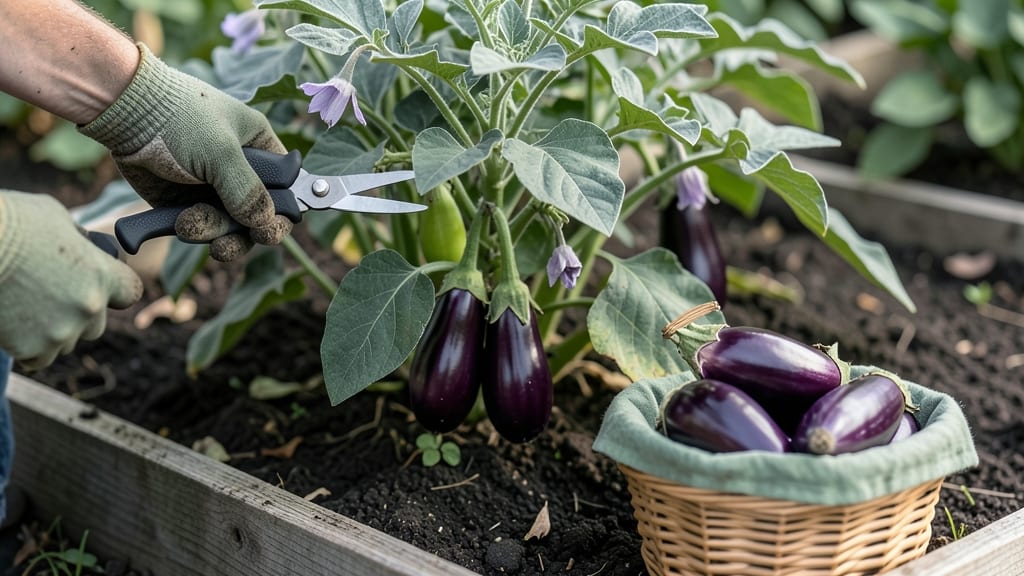
Picking eggplant from your garden at the right time ensures you get the best flavor and texture 🍆 — and missing the window can turn a delicious meal into a bitter disappointment.
I’ve learned the hard way: harvesting too early means tough, seedy flesh, while waiting too long can make the skin tough and the inside stringy. The key is knowing those 3 unmistakable signs of perfect ripeness, from color to size to firmness.
In warmer climates like USDA Zone 6a, eggplant typically ripens between July and September, but timing depends on your local frost dates and variety. A quick check of the skin’s glossiness or the stem’s snap can save you from a wasted harvest.
Below, I’ll break down exactly what to look for, how to handle them once picked, and even how to store them so they stay fresh for weeks. Ready to turn your garden’s eggplant into a flavor-packed success?
3 Unmistakable signs your eggplant is ready for harvesting
Eggplant thrives when you harvest it at the perfect moment—too soon and it’s bitter, too late and it becomes seedy. The key lies in three visual and physical cues that reveal peak ripeness.
I’ve learned the hard way that ignoring these signs leads to disappointing results, so let’s focus on what truly matters: skin color, size, and seed development. These three factors work together to tell you when your eggplant is ready to pick.
First, pay attention to the skin color of your eggplant. While most varieties turn a deep, glossy purple when ripe, some like 'Black Beauty' or 'Ichiban' develop rich, dark hues. The skin should be fully colored with no trace of green near the stem.
This isn’t just about aesthetics—it’s a clear indicator that the eggplant has reached its optimal sugar content. If you see even a hint of green, it’s not ready yet.
Next, check the size of the eggplant. Different varieties have different ideal sizes, but generally, eggplants should be 4-6 inches long and feel heavy for their size.
For example, 'Rosa Bianca' (a white eggplant) will be ready when it reaches about 5 inches, while 'Fairy Tale' (a miniature variety) should be closer to 3 inches. If your eggplant is still small for its variety, give it more time to mature on the plant.
Here’s where many gardeners go wrong: they assume bigger is always better. But an eggplant that’s oversized or mushy is a sign it’s past its prime. Overripe eggplants develop a spongy texture and large, mature seeds, which can make them tough and bitter.
The goal is to harvest when the fruit is firm but yields slightly when gently pressed—a sign of perfect ripeness.
🌱 3 Signs Your Eggplant Is Ready to Harvest
-
1. Deep, Even Color
Skin is fully colored (no green at stem end) and glossy. For white varieties, look for creamy hues without yellowing. -
2. Full Size for Variety
Check your variety’s ideal size (e.g., 4-6" for standard types). Eggplant won’t grow larger once ripe. -
3. Firm with Slight Give
Press gently—it should yield slightly (like a ripe avocado) but not feel mushy or hard.
Don’t overlook the stem test, a trick I learned from an experienced gardener. When your eggplant is ripe, the stem should snap easily when you gently bend it. If it resists or tears, the fruit isn’t ready.
This test works because ripe eggplants have a higher water content, making the stem more brittle. It’s a quick way to confirm ripeness without cutting into the fruit.
One common mistake I see is waiting until eggplants turn yellow or brown on the vine. By then, they’re often overripe and seedy. Instead, focus on the three key signs above: color, size, and texture.
If your eggplant checks all three boxes, it’s time to harvest. Remember, eggplants won’t improve after picking—they’ll only get worse if left too long on the plant.
For white or striped varieties, the rules are the same, but the color cues differ. Look for a creamy white or pale yellow hue with no green. These varieties can be trickier to judge because their color changes are subtler.
If in doubt, go by size and texture—these are more consistent indicators across all eggplant types.
Finally, consider your climate zone. In hotter regions (like USDA Zone 9+), eggplants may ripen faster due to higher temperatures. Conversely, in cooler zones (like Zone 7), they might take longer.
Adjust your harvest timing accordingly, but never sacrifice quality for speed. A slightly underripe eggplant is better than one that’s past its prime.
Now that you know the signs, the next step is to harvest correctly. Use a sharp knife or pruning shears to cut the stem, leaving a small portion attached to the fruit.
This prevents bruising and extends shelf life. Store your freshly picked eggplants in a cool, dark place (like a pantry) for up to a week, or refrigerate for longer storage.
Mastering the art of eggplant harvesting takes practice, but once you recognize these three unmistakable signs, you’ll never waste another eggplant again. Happy harvesting—and enjoy the delicious, flavorful results! 🍆
How eggplant ripeness affects flavor and texture (with comparison table)
Getting the timing wrong when harvesting eggplant can turn a delicious, velvety fruit into a bitter, seedy mess. The ripeness of your eggplant directly impacts its flavor profile, texture, and even how well it holds up in cooking.
Too early, and you’ll get a hard, bland vegetable with a high seed-to-flesh ratio. Too late, and it becomes overly soft with bitter undertones and a mushy center.
For the best results, aim for eggplant that’s fully mature but not overripe. This means waiting until the skin reaches its deepest color—whether that’s glossy purple, white, or striped—and the fruit feels firm yet slightly yielding when gently squeezed.
The stem should also snap easily when bent, signaling it’s ready to be picked.
| Factor | Underripe Eggplant | Perfectly Ripe Eggplant | Overripe Eggplant |
|---|---|---|---|
| Skin Color | Light green or pale | Deep, glossy purple (or variety-specific) | Dull, fading color |
| Texture | Hard and firm | Firm with slight give | Soft, mushy, or wrinkled |
| Seed Cavity | Small, underdeveloped | Moderate size, firm seeds | Large, soft, or hollow |
| Flavor | Bland, bitter, or chalky | Sweet, tender, rich | Bitter, seedy, or mealy |
| Cooking Performance | Absorbs too much oil | Holds shape, absorbs flavors | Breaks apart easily |
An underripe eggplant lacks the full development of its flavor compounds, making it taste harsh or watery. The seeds inside are hard and undeveloped, which means you’ll end up with a high seed-to-flesh ratio when you cut it open.
This isn’t just a texture issue—it’s a waste of your garden’s effort because underripe eggplant won’t absorb flavors well during cooking.
On the flip side, an overripe eggplant becomes mealy and bitter, with a soft, spongy texture that falls apart when sliced. The seeds turn soft and mushy, and the flesh loses its tender structure.
Overripe eggplant also tends to absorb too much oil when fried, making it greasier than intended. Even if you’re not cooking it immediately, overripe eggplant won’t store well and may spoil faster.
For the best balance, harvest your eggplant when it’s fully colored but still firm. This ensures a rich, sweet flavor with a tender yet sturdy texture.
If you’re unsure, pick it slightly underripe—it’ll ripen off the vine if stored properly in a cool, dark place for a day or two. But avoid leaving it on the plant too long, as overripening is harder to reverse than underripeness.
Pro tip: If you’re growing heirloom varieties like Ichiban or Rosa Bianca, these often have thicker skins and can handle a slightly longer ripening time without becoming bitter. But for most standard eggplants, timing is everything—don’t wait too long!