
Picking
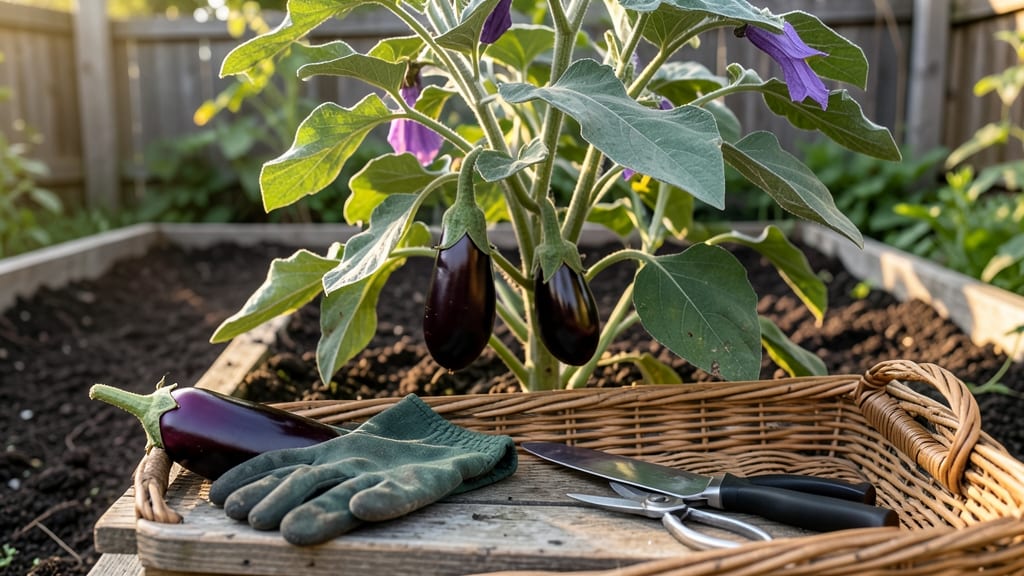
Picking eggplant at the right time ensures you get the best flavor and texture, so knowing when to pick eggplant in your garden is everything.
Harvesting too early means tough skin and bitter flesh, while waiting too long turns them seedy and woody—neither of which is ideal for your favorite dishes. The key is watching for that perfect balance of size, color, and firmness.
For most varieties, eggplant 🍆 is ready about 70 days after transplanting, but it’s not just about the days—it’s about the visual cues. A deep, glossy color and a stem that snaps cleanly when twisted are your best friends in the garden.
In this guide, I’ll break down exactly what to look for, how to avoid common mistakes, and even how to store your harvest so it stays fresh longer. Let’s get those eggplants picked at peak perfection!
How to identify perfectly ripe eggplant by color, size, and texture
Picking eggplant at the right moment transforms your garden harvest from meh to magnificent. The key lies in mastering three simple cues: color depth, firm texture, and proper size. When these align, you've got yourself a flavor-packed eggplant ready for your favorite recipes.
I've learned the hard way that waiting too long results in seedy disappointment, while harvesting too early means bitter, underdeveloped fruit.
Most gardeners focus solely on color, but texture and size are equally important. A glossy, deep purple skin might look perfect, but if the stem snaps like a twig, it's not ready. Similarly, a firm, medium-sized eggplant with pale skin could still be delicious.
The secret? Combining all three signals for peak ripeness and optimal flavor. Let's break down exactly what to look for in your garden.
| Ripeness Cue | Perfect Indicator | What It Means |
|---|---|---|
| Color | Deep, glossy hue (purple, green, or white) | Fully developed flavor and nutrients |
| Size | 6-12 inches long | Optimal balance of tenderness and substance |
| Texture | Firm skin that resists gentle pressure | Peak crispness and seed development |
| Stem | Snaps cleanly when twisted | Natural separation point for easy harvest |
| Weight | Feels heavy for its size | High moisture content and juiciness |
Let's start with color, the most obvious cue. Most eggplants develop a deep, glossy purple when ripe, but varieties come in green, white, and even striped colors. The key is consistent color—no pale patches or dull spots.
I once picked a pale green eggplant thinking it was ready, only to discover it was bitter and seedy. Always check for rich, vibrant color as your first indicator.
Next, examine the size. Most garden varieties reach 6-12 inches at maturity. If your eggplant is smaller than a softball, it's likely underripe. Larger varieties like 'Black Beauty' can grow up to 12 inches, while smaller types like 'Fairy Tale' stay around 4-6 inches.
Measure against your plant's expected mature size—this varies by variety.
Texture is where many gardeners miss the mark. A ripe eggplant should feel firm yet slightly yielding when gently pressed. If it's too soft, it's overripe. If it feels rock-hard, it's underripe.
I test this by giving the eggplant a light squeeze—if it leaves a slight indentation, it's perfect. The skin should also have a slight sheen, not a waxy or dull finish.
Don't overlook the stem—this is a pro tip I learned from my neighbor's 50-year-old gardener. A ripe eggplant's stem should snap cleanly when you gently twist it near the fruit. If it resists or pulls out with the fruit, it's not ready.
This trick works especially well for heirloom varieties with thick skins. Always harvest by twisting, not cutting, to avoid damaging the plant.
One common mistake is assuming all eggplants ripen the same way. White and green varieties often develop lighter colors at maturity, while purple types deepen in hue. For example, 'Rosa Bianca' turns a creamy white, and 'Ichiban' stays green but develops a waxy sheen.
Always check your specific variety's ripeness guide—seed packets often include this information.
Timing matters too. Most eggplants take 70-90 days to mature from transplant. In my Zone 7a garden, I start seeing ripe fruit around mid-July, but this shifts with your climate.
If you're in a shorter growing season, prioritize early-maturing varieties like 'Little Finger' (50 days) or 'Patio Baby' (60 days).
Finally, consider the weather. Eggplants ripen faster in hot, dry conditions but may develop bitter flavors if stressed. In humid climates, they might stay pale and soft. I've found that morning harvests yield the best results—eggplants are cooler and firmer after the night's rest.
Avoid picking after heavy rain, as excess moisture can dilute flavor and make skins slippery to handle.
Pro tip: If you're unsure, harvest a test eggplant a day
Common mistakes that cause eggplant to ripen too early or late
Even with the best intentions, I’ve seen eggplant ripen too early—ending up small and bitter—or linger too long, becoming tough and seedy. These mistakes happen more often than you’d think, especially for first-time growers. The key is understanding how environmental stress and cultural practices impact ripening timing.
One of the biggest missteps is harvesting too soon because the fruit looks "ready." Many gardeners pluck eggplants when they’re still under 6 inches long, assuming they’ll keep growing.
But eggplants won’t mature properly if you harvest them prematurely—they’ll never reach their full flavor potential or ideal texture. Patience is crucial here!
On the flip side, leaving eggplants on the vine too long leads to overripe fruit. When seeds develop and the skin toughens, the flesh becomes bitter and fibrous. This often happens in cooler climates where plants struggle to ripen fully before frost.
Timing your harvest based on color depth and firmness—not just size—is the secret to success.
Don’t wait until your eggplant is yellowing or softening—that’s a sure sign of overripeness. Instead, harvest when the skin is deeply colored (purple, green, or white, depending on variety) and the stem snaps cleanly when twisted. If you miss this window, your eggplant will develop bitter seeds and tough skin, ruining its culinary quality.
Pro tip: Check your plants every 2-3 days during peak harvest season (July-September) to avoid missing the perfect moment.
Another common mistake is over-fertilizing with nitrogen late in the season. Too much nitrogen promotes leafy growth at the expense of fruit development. If your eggplants are lush but not producing, it’s time to switch to a phosphorus-rich fertilizer (like 5-10-10) to encourage flowering and fruiting. Balance is everything!
Temperature swings also play a role. Eggplants thrive in warm weather (70-85°F), but sudden drops below 55°F can stunt growth or cause fruit to ripen unevenly.
If you’re in a cooler climate, opt for earlier-maturing varieties (like 'Black Beauty' or 'Ichiban') and provide row covers to extend the season.
Finally, watering inconsistencies throw off ripening timing. Eggplants need consistent moisture, especially during flowering and fruiting. Let the soil dry slightly between waterings—this prevents blossom-end rot and ensures steady growth. Mulching helps maintain even moisture levels, which keeps your eggplants on track for a perfect harvest.