
Picking
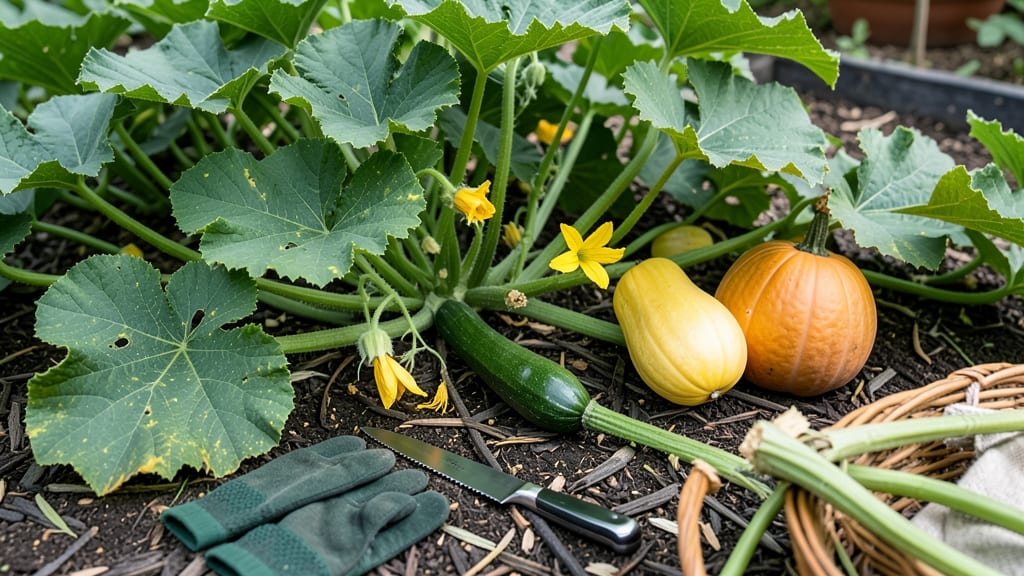
To pick squash from your garden at the perfect moment means avoiding tough, seedy, or bitter fruit—so timing is everything.
I’ve watched homegrown zucchini 🎃 turn from tender to rock-hard overnight, and it’s a lesson in patience (and a warning about overripe harvests). The right moment isn’t just about size—it’s about texture, color, and even the time of day you check.
Summer squash like zucchini and yellow squash need to be harvested every 3-5 days once they reach maturity, while winter varieties like butternut can wait longer. But here’s the secret: a simple finger-press test tells you more than a ruler ever could.
In this guide, I’ll show you exactly when to pick your squash for the best flavor and storage life, plus how to spot the signs of overripe or underripe fruit before it’s too late.
5 Finger-press tests to determine squash ripeness (with visual guide)
Harvesting squash at the perfect moment transforms your garden bounty from bland to bursting with flavor. The key? Finger-pressure tests that reveal ripeness before the squash overstays its welcome. I’ve tested these methods on zucchini, yellow squash, and summer varieties—here’s what works every time.
Most gardeners make two critical mistakes: picking too early (tough, seedy fruit) or too late (bitter, stringy texture). Your fingers are the best tool—no fancy gadgets needed. Start by examining the stem and applying gentle pressure to the skin. These tests work for all summer squash varieties.
⚠️ Pro Tip: Always use your thumbnail for pressure tests—it’s the most sensitive part of your finger for detecting firmness. Avoid nails, which can puncture the skin prematurely and cause rot.
| Test Type | Zucchini (6-8") | Yellow Squash (6-10") | Summer Squash (4-6") | Visual Clue |
|---|---|---|---|---|
| Finger-Press Test | Skin resists thumbnail pressure (no dent) | Skin feels firm, no give when pressed | Skin springs back immediately after press | ✅ Hard |
| Stem Color | Dull green, stem base turns brown | Bright yellow, stem base dries slightly | Deep green/yellow, stem shrinks at base | 🟠 Matched variety |
| Size Check | 6-8" long, 2-3" diameter | 6-10" long, 3-4" diameter | 4-6" long, 1.5-2.5" diameter | 📏 Variety-specific |
| Seed Development | Seeds <1/4" long (pea-sized) | Seeds <1/2" long | Seeds barely visible | 🔍 Tiny seeds = best! |
| Sound Test | Hollow thump when tapped | Dull thud (not echoey) | Crisp sound when tapped | 🔊 Hollow = ripe |
Test #1: The Thumbnail Press. Press your thumbnail into the squash skin. If it doesn’t dent, it’s ready. For zucchini, aim for 6-8 inches—any longer and the seeds bulk up. Yellow squash should be 6-10 inches with a bright, even color.
Test #2: The Stem Check. Look at where the stem meets the squash. A drying, brown base signals ripeness. If the stem is still green and plump, wait 2-3 days. Never cut the stem—twist gently to avoid tearing the skin.
Test #3: The Size Rule. Measure your squash against your hand. A zucchini should span from your wrist to elbow (6-8"). Summer squash should fit in your palm (4-6"). Overgrown squash becomes stringy and seedy.
Test #4: The Sound Test. Tap the squash with your knuckle. A hollow thump means it’s ripe. A dull thud means it’s underripe, while a deep echo means it’s overripe. This works best for yellow squash varieties.
Test #5: The Seed Inspection. Cut one squash lengthwise to check seed size. Pea-sized seeds or smaller mean peak ripeness. Larger seeds (like 1/4" or bigger) signal the squash has passed its prime. Save seeds from perfectly ripe squash for next year!
Common mistakes include harvesting based on color alone (some squash stay green when ripe) or ignoring size differences between varieties. Butternut squash, for example, needs 8-12 inches of length—don’t compare it to 4-inch pattypan squash.
Produce your best harvest by combining these tests. Check squash every 2-3 days during peak season (July-August). The more you practice, the faster you’ll spot the perfect squash—ready to transform into your next garden-to-table masterpiece.
Best time of day and seasonal factors for harvesting squash
Harvesting squash at the right time of day and season ensures peak flavor and texture. Morning harvests are ideal because cooler temperatures preserve moisture and firmness. Summer squash like zucchini ripen quickly—often within 5-7 days—while winter varieties like butternut need 80-100 days to mature.
The timing difference between these types can't be overstated!
Seasonal factors like daylight hours and temperature swings play a huge role. Longer summer days accelerate ripening, but sudden heatwaves above 90°F can cause squash to overripen faster. Winter squash thrives in cool fall weather (50-70°F), which sweetens the flesh.
If you're in a short-season climate, prioritize harvesting winter squash before the first frost.
- 1 Morning harvests (6-9 AM) are best for summer squash—cooler temps prevent skin damage and maintain crispness. Avoid harvesting when dew is still present.
- 2 Winter squash (butternut, acorn) should be picked on dry, sunny afternoons (10 AM-2 PM) to harden the rind naturally. Harvest before first frost or risk soft, waterlogged flesh.
- 3 Peak harvest season varies by variety: Summer squash (June-August), Winter squash (September-October). Butternut squash needs 90-120 days to mature—plan accordingly!
- 4 Temperature warnings: Harvest summer squash when temps drop below 80°F to avoid bitter flavors. Winter squash left in humidity above 70% risks rot—pick early if rain is forecasted.
- 5 Regional adjustments: In Zone 5 or colder, harvest winter squash by late September to avoid frost. In Zone 8+, extend harvests into November with row covers for hardier varieties like kabocha.
Did you know butternut squash actually tastes sweeter if left on the vine 10-14 days past maturity? The extra time converts starches to sugars—but don’t overdo it, or the seeds will dominate.
For summer squash, the rule is stricter: harvest within 24 hours of reaching full size to prevent toughness. Use a sharp knife and leave a 1-inch stem to extend shelf life.
Watch for color changes as a secondary cue. Yellow squash should turn golden, while green varieties deepen to a rich, matte hue. Winter squash develops a hard, glossy skin—if it still feels soft, it’s not ready. Pro tip: Tap the squash—a hollow sound means it’s ripe for picking!
If your garden is in high-humidity areas, harvest daily during peak season to prevent disease. In arid climates, morning harvests reduce water loss.
Always store squash in a cool, dry place (50-55°F) with good airflow to maximize storage life—summer squash lasts 1 week, while winter squash keeps for months.
Timing your harvests correctly transforms your garden from overwhelming vines to a steady supply of fresh, flavorful squash. Pay attention to the time of day, seasonal cues, and variety-specific needs, and you’ll enjoy squash at its absolute best—crisp, sweet, and seedless!