
Planting
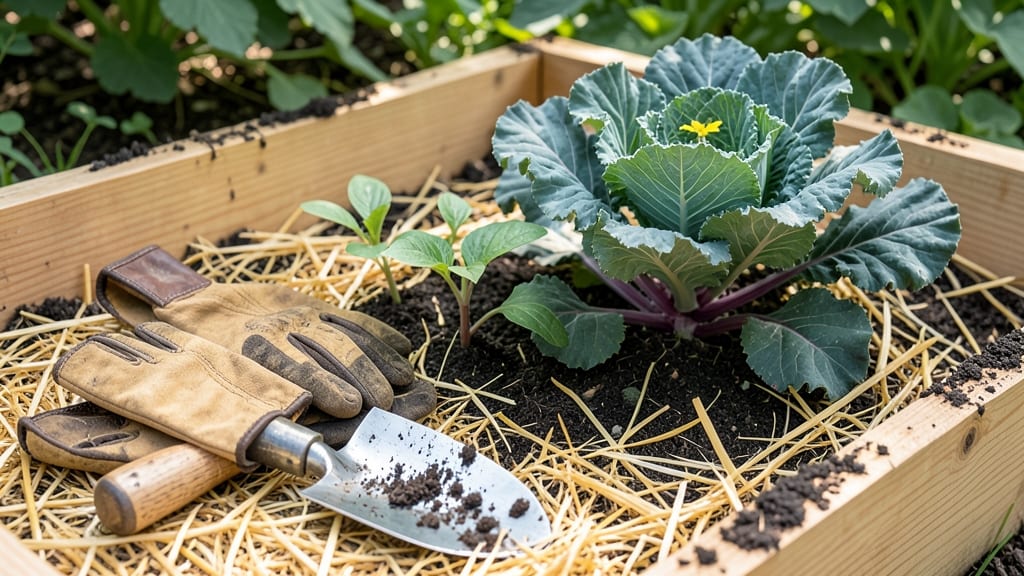
Planting a fall garden in Houston, Texas, starts 6-8 weeks before your first frost—typically between mid-August and early October—to beat the heat and maximize your harvest.
Houston’s long, hot summers can make fall gardening a game-changer—but planting at the wrong time risks losing your crops to early frosts. Timing is everything, and these exact dates will help you maximize your harvest before winter sets in.
With USDA Zone 9a conditions, your fall garden can thrive with the right crops and soil prep. Leafy greens like kale and spinach love cooler temps, while root veggies like carrots and beets need consistent moisture to grow sweet and crisp.
Below, I’ll break down the best planting windows, soil prep tips, and how to adjust for Houston’s unpredictable weather—so you can enjoy a bountiful harvest from October through December.
Houston’s fall planting calendar: exact dates for zero-frost risk crops
Fall gardening in Houston offers a perfect opportunity to grow cool-season crops before winter arrives. With the average first frost date of November 15, timing your plantings correctly ensures your vegetables mature before temperatures drop.
Start with heat-tolerant varieties in late summer and transition to frost-resistant crops as temperatures cool.
To maximize success, focus on planting 6-8 weeks before the first frost for most crops. This means beginning in early August for fast-growing varieties like lettuce and radishes, while slower growers like broccoli and cabbage should go in by mid-September.
Houston’s humidity and soil warmth also play a role—preparing your soil properly is just as critical as choosing the right dates.
| Month | Planting Window | Best Crops | Soil Prep | Notes |
|---|---|---|---|---|
| August | Early to Mid-August | Okra, Sweet Potatoes, Malabar Spinach | Test soil pH (6.0-7.0), add compost | Heat-tolerant crops only; avoid frost-sensitive plants |
| September | Early to Late September | Lettuce, Kale, Broccoli, Carrots, Radishes | Add aged manure, mulch to retain moisture | Soil temps should be below 85°F for best germination |
| October | Early to Mid-October | Spinach, Swiss Chard, Green Onions, Peas | Cover soil with straw to cool roots | Use row covers for extra frost protection |
| November | Early November (hardy crops only) | Garlic, Winter Radishes, Arugula | Plant garlic cloves 2 inches deep | Monitor weather forecasts for early frosts |
In August, prioritize heat-loving crops like okra and sweet potatoes. These plants thrive in Houston’s late-summer heat and can handle temperatures above 90°F. Test your soil’s pH and amend it with compost to ensure nutrients are available.
Mulch around plants to conserve moisture during the dog days of summer.
By September, shift to cooler-season crops like leafy greens and root vegetables. The key is to plant when soil temperatures drop below 85°F—use a soil thermometer to check.
Add aged manure or compost to enrich the soil, and consider using row covers to protect seedlings from unexpected heat spikes.
October is your last chance to plant most cool-season vegetables. Focus on fast-maturing varieties like radishes (25 days) and bush beans (50 days) to ensure a harvest before frost.
Use straw mulch to insulate soil and protect tender roots from temperature swings. If frost threatens, cover plants with lightweight fabric or old bedsheets.
For November plantings, only hardy crops like garlic and winter radishes should go in the ground. These plants can tolerate cooler temperatures and even light frosts. Plant garlic cloves 2 inches deep and 6 inches apart for a spring harvest.
Monitor local weather forecasts closely—Houston’s first frost can arrive earlier than expected in some years.
Extend your fall harvest by succession planting. Sow small batches of lettuce or radishes every 2 weeks in September and October. This ensures a continuous supply of fresh greens and prevents bolting (when plants flower prematurely due to heat stress).
Use shade cloth during peak afternoon sun to keep seedlings cool.
Don’t forget to harden off seedlings before transplanting. Gradually expose them to outdoor conditions over 5-7 days to reduce transplant shock. Water deeply in the morning to encourage strong root growth and reduce fungal diseases. Avoid overhead watering in the evening, as damp foliage can attract pests like aphids.
If you’re new to fall gardening in Houston, start small with a 20-30 square foot plot. Focus on easy-to-grow crops like bush beans, lettuce, and radishes to build confidence.
Keep a garden journal to track planting dates, soil temperatures, and harvest times—this helps refine your strategy for next year’s fall garden.
With these exact planting dates and prep steps, you’ll enjoy a bountiful fall harvest in Houston. The key is to adjust based on your microclimate—shadier spots may stay cooler longer, while sunny areas might need extra shade protection. Happy gardening!
Best fall crops for Houston gardens: heat-tolerant vs. frost-resistant varieties
Houston’s fall garden thrives when you choose crops that balance heat tolerance and frost resistance.
Early September is your sweet spot—planting then ensures crops mature before first frost (around December 1) while avoiding summer’s brutal heat. Leafy greens like kale and collards handle cooler temps beautifully, while heat-tolerant varieties like Swiss chard and Malabar spinach push through Houston’s lingering warmth.
Your planting strategy hinges on two key factors: soil temperature (aim for 70°F or below) and crop maturity. For example, broccoli needs 60-70 days to harvest, so seed it by mid-September.
Meanwhile, radishes (ready in 25 days) can handle late starts—even October plantings work if you use frost cloth.
🌱 Heat-Tolerant Crops (plant August-September):
- Okra (loves 90°F+)
- Sweet potatoes (harvest before first frost)
- Black-eyed peas (drought-resistant)
🌿 Frost-Resistant Crops (plant September-October):
- Kale (sweeter after light frost)
- Cabbage (tolerates 25°F)
- Carrots (harvest before hard freeze)
🌡️ Heat-Tolerant vs. Frost-Resistant Crops for Houston
| Category | Best Varieties | Planting Window | Frost Hardiness | Pro Tip |
|---|---|---|---|---|
| 🔥 Heat-Tolerant | Okra 'Clemson Spineless', Sweet Potato 'Beauregard' | August 15–September 15 | ❄️ None (harvest before frost) | Use mulch to retain soil heat. |
| ❄️ Frost-Resistant | Kale 'Winterbor', Carrot 'Nantes', Spinach 'Bloomsdale' | September 1–October 15 | ✅ Tolerates 25–30°F | Cover with row fabric for 20°F dips. |
| 🌱 Hybrid Options | Collard 'Georgia Southern', Swiss Chard 'Bright Lights' | August 20–September 30 | ✅ 30°F tolerance | Succession plant every 2 weeks for continuous harvest. |
💡 Houston Pro Tip: Pair heat-tolerant crops (like peppers) with frost-resistant ones (like lettuce) to maximize space and extend harvests.
To extend harvests into winter, prioritize cold-hardy greens and use season extension tools. Cold frames or low tunnels can push harvests 4–6 weeks later, while straw mulch insulates roots. For example, spinach planted in late September often survives until January with these protections.
Start with direct-sown seeds for faster results—transplants struggle in Houston’s humid heat. Harden off seedlings for 7–10 days before planting, and water deeply at soil level (not overhead) to prevent fungal diseases like downy mildew. A drip irrigation system automates this and saves water.
Monitor Texas A&M AgriLife Extension alerts for frost forecasts—Houston’s microclimates (like elevated areas or urban heat islands) can delay frost by 1–2 weeks.
If a 28°F freeze is predicted, cover tender crops with frost cloth or blankets and remove them during the day to avoid heat stress.