
Planting
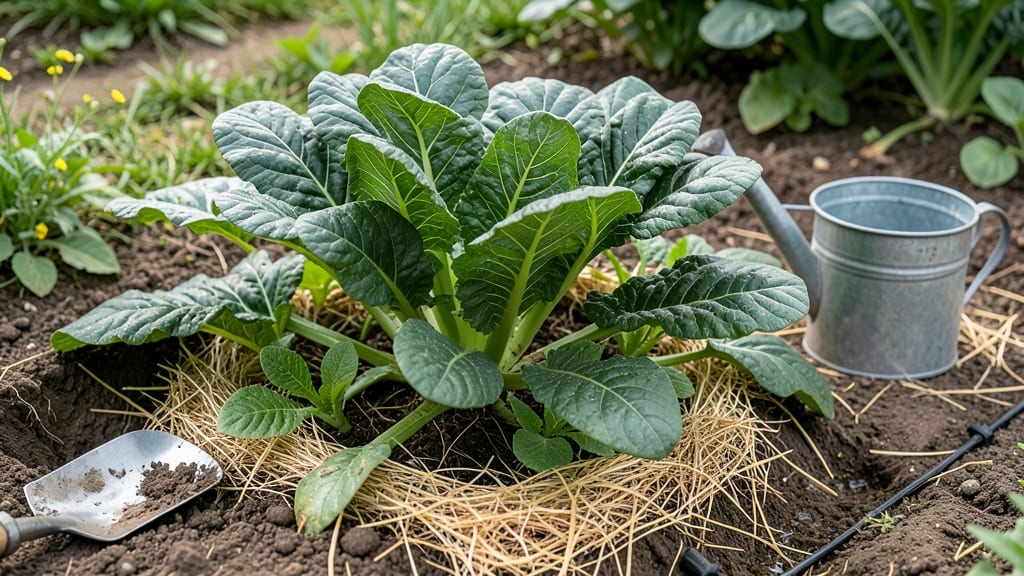
Planting a fall garden in South Texas means timing is everything—start in August to beat the heat and harvest before frost.
You’ve seen those 100-degree days stretch into October, and the last thing you want is a garden that wilts before it even gets going.
But with the right schedule, you can grow heat-tolerant crops like okra and collards that thrive in this climate, giving you a harvest just as the weather cools.
The key is planting 6-8 weeks before your first frost, which in South Texas usually hits in mid-December. That means late August for fast growers like beans and early September for leafy greens. Miss the window, and you’ll be left with stunted plants or worse—nothing at all.
Below, I break down the exact planting timeline, soil prep tips, and the top 5 heat-resistant crops that deliver in South Texas’ fall garden. No guesswork, just science-backed results.
South Texas fall planting timeline: heat-tolerant crops by month
Timing is everything in South Texas, where summer heat lingers into October and frost rarely arrives before December. The key to a successful fall garden lies in planting heat-tolerant crops during their ideal windows—when soil temps stay above 70°F but cooling trends begin.
Miss these windows, and you’ll face stunted growth or bolting. Let’s break down the month-by-month strategy for zero-frost crops that thrive in our USDA Zones 9a-10a.
August is your first opportunity to plant heat-loving crops like okra and sweet potatoes, which need consistent 80°F+ soil temps to germinate.
September shifts focus to moderate-heat crops such as collards and turnips, while October opens the door for cooler-season favorites like lettuce and spinach—though these need shade protection until temps dip below 85°F. Each month’s window is narrow, so plan ahead!
Here’s your month-by-month planting guide with soil temperature triggers, last-call dates, and heat-tolerant crop recommendations tailored to South Texas’ unpredictable fall transitions.
| Month | Soil Temp (°F) | Crops to Plant | Last Call for Harvest | Key Tip |
|---|---|---|---|---|
| August | 80°F+ | Okra, Sweet Potatoes, Cowpeas, Malabar Spinach | Late November | Plant seeds directly in well-draining soil; mulch to retain moisture. |
| September | 75°F+ | Collards, Turnips, Kale, Eggplant, Peppers | Mid-December | Use shade cloth (30-50%) if temps exceed 90°F. |
| October | 70°F+ | Lettuce, Spinach, Radishes, Green Onions, Broccoli | Early January | Start seeds indoors or use row covers for frost protection. |
| November | 65°F+ | Cabbage, Brussels Sprouts, Carrots, Beets | Late December | Plant in raised beds for warmer soil and drainage. |
August is your golden window for heat-tolerant crops like okra and sweet potatoes, which need soil temps above 80°F to germinate. Plant seeds directly in the ground after the last 100°F+ heatwave has passed, as extreme heat can scorch young seedlings.
For okra varieties like 'Clemson Spineless', sow seeds 1 inch deep and space them 18 inches apart—they’ll bolt if stressed by heat or drought.
By September, soil temps drop to 75°F+, making it ideal for collards and turnips. These crops thrive in cooler fall weather but still need protection from lingering heatwaves.
Use shade cloth (30-50%) if daytime temps creep above 90°F, and mulch with straw or wood chips to keep roots cool. September is also your last chance to plant eggplant and peppers for a fall harvest.
October marks the shift to cool-season crops, but don’t rush—many still need 65°F+ soil temps to establish. Lettuce and spinach are classic choices, but opt for heat-resistant varieties like 'Black Seeded Simpson' lettuce or 'Texas Blue' spinach.
Plant these in partial shade (especially in urban areas with heat islands) and use drip irrigation to avoid wetting leaves, which invites fungal diseases like downy mildew.
November is your last call for frost-sensitive crops, but it’s also the time to sow cabbage and Brussels sprouts for a winter harvest. These crops handle 50°F+ soil temps and even light frosts, but they need well-draining soil to avoid rot.
Amend your beds with compost before planting, and consider using row covers if early frosts threaten. For carrots and beets, plant seeds ½ inch deep and thin seedlings to 2-3 inches apart
How to extend your South Texas fall garden season without frost risks
South Texas gardeners face a unique challenge: late summer heat that lingers into October, followed by unpredictable frost dates. The key to a successful fall garden lies in strategic timing and protective measures.
By using shade cloth, mulching techniques, and drought-resistant varieties, you can push harvests well past the first frost warning. These methods work for both urban containers and rural plots, ensuring your garden thrives even as temperatures drop.
First, identify your microclimates—areas that retain heat longer, like south-facing walls or paved surfaces. These spots are perfect for heat-sensitive crops like lettuce or spinach when paired with 30% shade cloth.
For rural plots, use black plastic mulch to warm soil and extend the growing season by 2-3 weeks. In urban settings, raised beds with straw mulch help regulate soil temperature and retain moisture.
- Install shade cloth by mid-September for heat-sensitive crops like lettuce or herbs.
- Apply 3-4 inches of straw mulch around plants to insulate roots and conserve moisture.
- Plant drought-resistant varieties like 'Black Seeded Simpson' lettuce or 'Cajun Belle' okra for extended harvests.
- Use row covers on nights when temps drop below 50°F to protect tender crops.
- Harvest leafy greens before morning frost by checking forecasts and covering beds overnight.
For urban gardeners, container gardening offers flexibility. Choose heat-tolerant herbs like rosemary or thyme and place pots near south-facing walls to capture residual heat. Add water-retaining crystals to soil to reduce daily watering needs.
Rural gardeners can leverage low tunnels with clear plastic to trap heat during the day and insulate at night, extending the season by 4-6 weeks.
Monitor soil temperatures closely—ideal ranges for fall crops are 60-75°F. If soil stays above 80°F past October, switch to slow-growing crops like collards or turnips. These varieties handle cooler temps better and can be harvested well into December.
Pair them with companion planting, like basil with tomatoes, to deter pests and improve yields.
Don’t forget to prune back overgrown summer plants like tomatoes or peppers to redirect energy to new growth. Remove yellowing leaves to prevent disease spread. By late October, focus on hardening off tender crops by gradually reducing shade cloth coverage.
This prepares them for cooler nights while still protecting against unexpected frost.
Create a late-season checklist to stay organized: test soil pH, add compost, water deeply in the morning, and mulch around plant bases. With these strategies, your South Texas fall garden can thrive—frost-free—until December! 🌱