
Planting
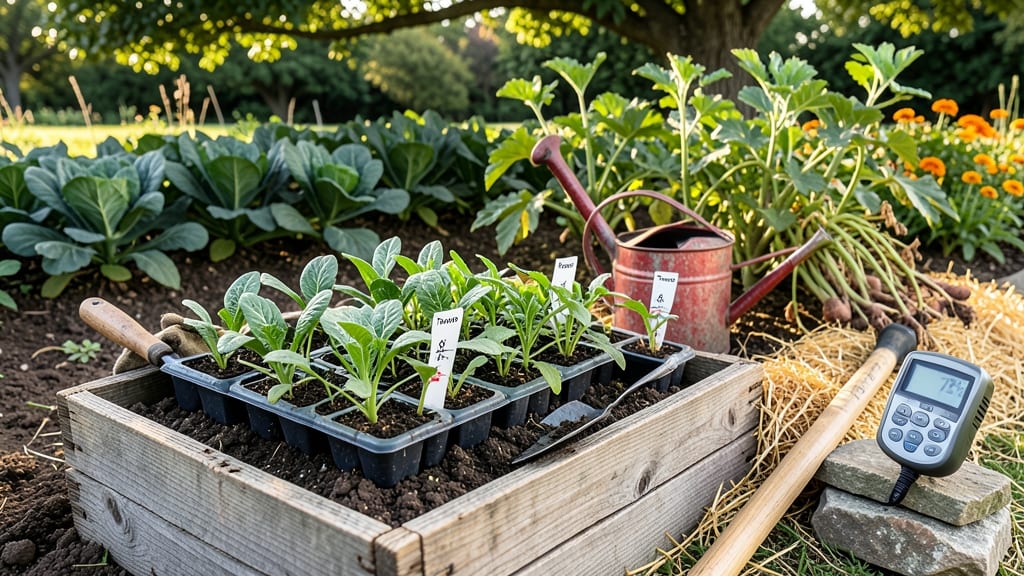
Planting a garden in Alabama requires knowing the exact timing to beat frost and maximize yields — and the wrong window can mean wasted seeds or stunted crops.
Alabama’s warm climate means your gardening season can start earlier than you think—but timing still matters. Plant too soon, and frost will ruin your crops; wait too long, and you’ll miss peak harvests.
From North Alabama’s late March start to the Gulf Coast’s February kickoff, each region has its own frost-free deadlines. Whether you’re sowing cool-season greens or heat-loving tomatoes, these month-by-month guidelines will help you align your planting with Alabama’s unique microclimates.
Here’s how to plan your spring, summer, and fall garden so you’re harvesting at the perfect time—no guesswork, just results.
Alabama’s frost-free planting zones: when to start seeds and transplants
Alabama’s diverse climate—from the cool mountain valleys of the north to the humid coastal plains of the south—means planting times vary dramatically. Understanding your frost-free zone and last-frost dates is key to avoiding frost damage while maximizing your harvest.
Whether you’re in Huntsville’s Zone 7b or Mobile’s Zone 8b, these guidelines will help you time your seed starting and transplanting perfectly.
Most of Alabama falls within USDA Zones 7-8, but microclimates—like urban heat islands or sheltered valleys—can shift your planting window by weeks. For example, Birmingham’s urban areas may warm up faster than rural Madison County, while coastal Alabama near Gulf Shores enjoys earlier last-frost dates by 2-3 weeks.
Below, I’ve broken down the three key regions with their average last-frost dates and ideal planting timelines for both cool-season crops (like lettuce and broccoli) and warm-season crops (like tomatoes and peppers).
Pro Tip: Always check your local Alabama Extension Office for real-time frost alerts, as unpredictable late frosts can still occur, even in Zone 8. Use frost cloth or row covers for extra protection if planting early.
In Northern Alabama (Zone 7b), where Huntsville and Decatur experience the latest frosts, cool-season crops like kale and spinach can be planted as early as mid-March, but warm-season crops like tomatoes and peppers shouldn’t go in until after May 1.
The soil temperature must reach at least 65°F for these heat-lovers to thrive. Use a soil thermometer to check—this is non-negotiable for tomato success.
For Central Alabama (Zone 8a), including Birmingham and Montgomery, the planting window shifts earlier.
You can start broccoli and cabbage indoors by January 20 and transplant them by late February. Peppers and eggplants, which are heat-sensitive when young, should wait until after April 1 when nighttime temperatures stay above 50°F.
If you’re in an urban heat island, like downtown Birmingham, you might push this back by 5-7 days.
Southern Alabama’s Zone 8b, covering Mobile and Dothan, offers a longer growing season. Here, you can plant cool-season crops like radishes and lettuce
Best crops to plant by month in Alabama (with regional adjustments)
Alabama’s three distinct climate zones—North (Huntsville), Central (Birmingham), and South (Mobile)—create unique planting opportunities. The North has cooler springs, while the South enjoys extended growing seasons. Even within zones, microclimates (like urban heat islands or coastal breezes) can shift planting windows by weeks.
For cool-season crops like lettuce and broccoli, start seeds indoors 6-8 weeks before your last frost date. Warm-season lovers (tomatoes, peppers) should wait until soil reaches 60°F+, typically mid-April in the South and early May in the North. Below are the month-by-month highlights for each zone.
In Huntsville’s high-altitude zone, delay warm-season crops by 2-3 weeks compared to Birmingham or Mobile. For example, tomatoes in Huntsville should wait until mid-May, while Mobile gardeners can plant by April 1. Always check soil temperature with a probe—warm-season crops need 60°F+ for roots to establish.
Succession planting is key in Alabama’s short seasons. For leafy greens, sow every 2 weeks from February to October to avoid bolting. Herbs like cilantro thrive in cool weather but bolt in 90°F+ heat, so plant in spring or fall only.
Use shade cloth in summer for heat-sensitive varieties like basil.
Pro tip: Mobile’s coastal warmth allows year-round greens like collards and Swiss chard. In North Alabama, focus on early spring and late fall crops to maximize the 180-day growing window.
Adjust for urban heat islands—cities like Birmingham can be 5-10°F warmer than rural areas, speeding up growth.