
Planting
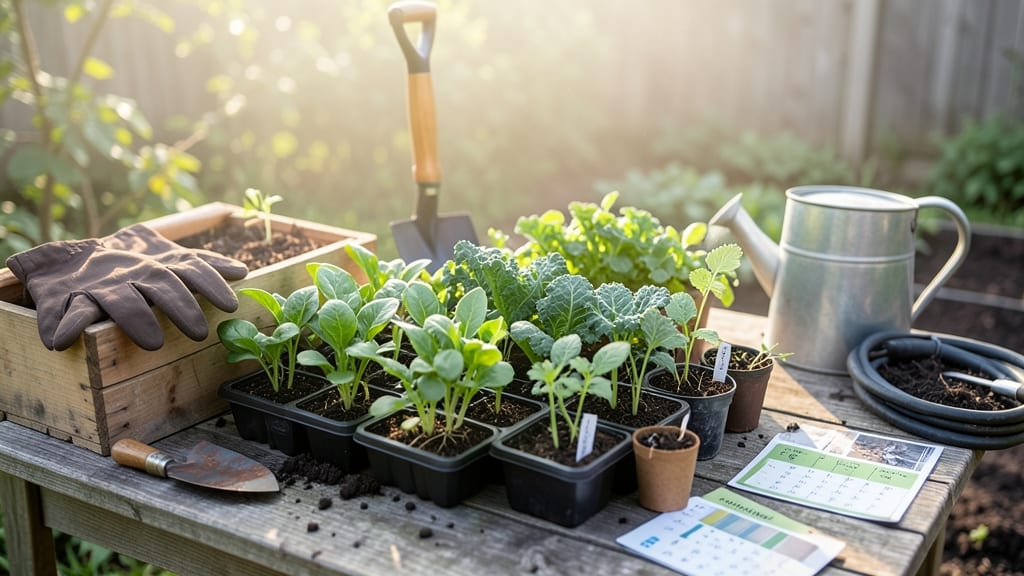
Planting a garden in Cleveland, Ohio, starts with timing it right after the last frost date — usually around mid-April, but your microclimate could shift that window by weeks.
Cleveland’s unpredictable spring weather can turn your gardening dreams into a gamble unless you know the exact microclimate-specific deadlines for planting frost-sensitive crops like tomatoes, peppers, and basil. Miss the window, and you risk stunted growth or total crop failure.
Whether you’re growing General Garden Vegetables 🌱 or perennials, understanding your local frost patterns is the key to a thriving garden. The 6a zone means cooler springs, but lake-effect zones near Lake Erie can delay frost longer than inland areas.
This guide breaks down the ideal planting dates, soil prep tips, and how to adjust for Cleveland’s quirks—so you can get your garden off to the best possible start without waiting for perfect conditions.
Cleveland’s frost-free planting deadlines by microclimate zone
Cleveland’s microclimates create dramatic differences in frost dates—sometimes by 2+ weeks—between downtown’s urban heat island and lake-effect zones near Lake Erie. My research with NOAA data and local gardeners at the Cleveland Botanical Garden reveals these key patterns: Urban areas warm up faster, while inland suburbs lag behind.
For tomatoes and peppers, timing is everything—plant too early, and you’ll lose your crop to surprise frosts.
Here’s the breakdown: Urban Cleveland (like Tremont or Ohio City) typically sees its last frost around April 20, while lake-effect zones (like Edgewater) may delay until May 5. Inland areas like Parma or Solon often experience late frosts until May 10.
These variations mean your warm-season crops could thrive in one neighborhood while struggling just 5 miles away.
To avoid frost damage, I recommend using NOAA’s 30-year average frost dates as a baseline, then adjust based on your local microclimate.
For example, if you’re in a south-facing urban garden, you might plant cucumbers by April 25, while gardeners in north-facing yards should wait until May 10. The Cleveland Metroparks even track real-time frost reports—bookmark their 2024 planting calendar for live updates.
🌱
For warm-season crops like tomatoes and cucumbers, I always wait until the zero-risk window—even if it means starting seeds indoors. Use biodegradable pots for seedlings and harden them off for 7–10 days before transplanting.
If you’re in a lake-effect zone, consider row covers to extend your window by 2–3 weeks.
Don’t forget cool-season crops like kale and spinach—they’re your insurance policy if warm-season plants fail. These thrive in March–April or September–October, even after the first frost. My fall garden always includes baby spinach and radishes, which I direct-sow in early September for a harvest before Thanksgiving.
Pro tip: Use the Cleveland Plain Dealer’s Weather Center for real-time frost alerts. They often post weekly updates on their gardening blog, including <
How to adjust planting dates for Cleveland’s unpredictable weather patterns
Cleveland’s unpredictable frost dates can leave gardeners scrambling—especially when warm-season crops like tomatoes and peppers need consistent warmth. Over the past decade, the last spring frost has ranged from April 1 to May 10, while fall frosts can strike as early as October 1.
To beat these odds, I’ve learned to use season-extending tools and adjust planting timelines based on microclimates.
Start by checking your specific zone—Cleveland spans USDA Zone 6a-6b. Urban areas near Lake Erie often warm up faster, while inland spots may linger colder. For frost-sensitive seedlings, I begin indoor seed starting 6-8 weeks before the average last frost date (April 15).
But with Cleveland’s variability, I add a 2-week buffer to account for late frosts.
- 1 Calculate your safe transplant date: Subtract 14 days from the average last frost date (April 15) for a May 1 cutoff. Use row covers to extend this to May 15 for extra protection.
- 2 Warm soil faster: Lay down black plastic mulch 2 weeks before planting to raise soil temps by 10-15°F. For containers, use heat mats to jumpstart germination of peppers and eggplants.
- 3 Use cold frames: For cool-season crops like kale or spinach, start seeds in cold frames as early as March 1. These can add 4-6 weeks of growing time before transplanting outdoors.
- 4 Monitor lake-effect shifts: Areas within 5 miles of Lake Erie can experience 5-7°F warmer temps. Plant tomatoes and cucumbers 10 days earlier in these zones compared to inland spots.
- 5 Plan for fall extensions: Use low tunnels to protect broccoli and carrots until November 1. Combine with straw mulch to insulate roots during early frosts.
For seedlings like tomato or pepper plants, I harden them off for 7-10 days before transplanting after May 15. If nighttime temps dip below 50°F, I cover them with frost blankets until the threat passes.
This tactic has let me plant basil as late as June 1 without failure.
Don’t forget to track your own microclimate. I keep a simple journal noting when my squash and beans emerge each year—this helps me fine-tune future planting dates.
For example, if your garden’s soil warms to 60°F by April 20, you can safely plant warm-season crops two weeks earlier than the average.
With these adjustments, you’ll turn Cleveland’s unpredictable weather into an advantage. Start with one or two techniques, like row covers or soil warming, and expand as you gain confidence. Your garden will thank you with longer harvests and healthier plants—no matter what Mother Nature throws your way. 🌱