Planting
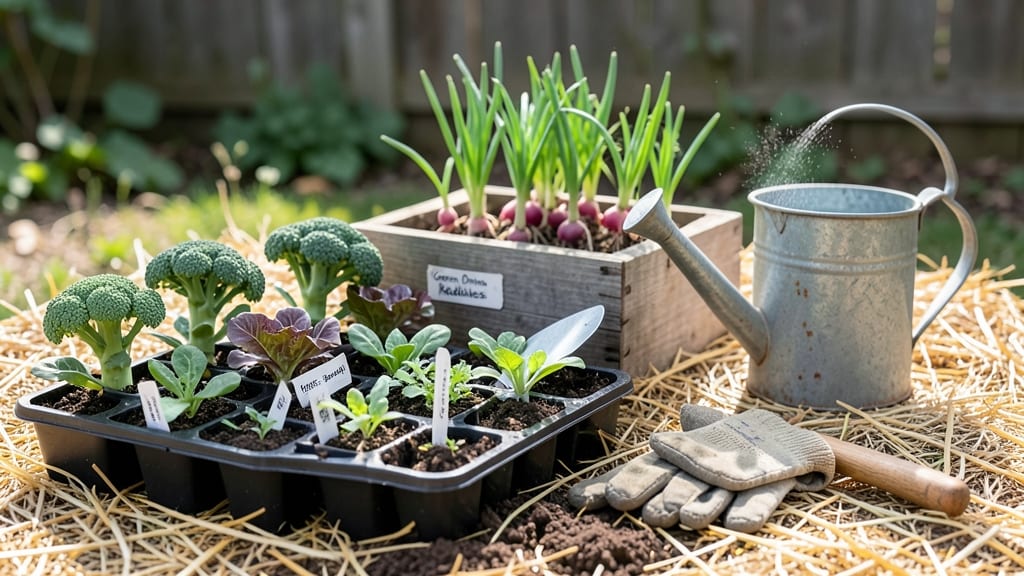
Planting a fall garden in Texas means timing your crops to beat the heat and avoid an early frost—aim for mid-August to mid-October, depending on your heat zone.
Texas gardeners face a unique challenge: scorching summers and unpredictable fall weather. But with the right timing, you can grow a thriving 🌱 fall garden—even in the Lone Star State's harshest heat zones—by planting at the perfect moment to avoid frost while maximizing yield.
Whether you're in North Texas (Zone 8a) or South Texas (Zone 10b), the key is knowing when to start seeds and when to transplant. Too early, and your plants bolt in the heat; too late, and frost ruins your harvest before you even taste it.
In this guide, I’ll break down the exact planting windows for zero-frost-risk crops like kale, broccoli, and carrots, plus pro tips to stretch your harvest into December—no matter where you garden in Texas.
Texas fall planting timeline by heat Zone: avoid frost while maximizing growth
Texas gardeners know the drill: summer heat lingers longer than most places, but fall offers a golden window for planting cool-season crops before frost arrives. The key? Timing your plantings based on your USDA heat zone (9-11) and local last-frost dates.
North Texas (Zone 8a-9a) faces frost by November 15, while South Texas (Zone 10a+) can push harvests until December 15 or later.
To avoid frost damage while maximizing growth, start planting 6-8 weeks before your average first frost date. This means mid-August for North Texas and early September for South Texas. The goal? Give plants enough time to establish roots before temperatures drop below 40°F, which stunts growth and risks damage.
Here’s the critical difference: North Texas gardeners should prioritize fast-maturing crops (like radishes or bush beans) in August, while South Texas gardeners can afford to plant slower growers (like broccoli or carrots) in early September. Soil temperatures matter too—aim for 60-75°F for optimal germination.
| Heat Zone | First Frost Date | Ideal Planting Window | Key Crops to Start | Soil Temp Goal (°F) |
|---|---|---|---|---|
| Zone 9 (North TX) | November 15 | Mid-August to early October | Radishes, lettuce, spinach, kale | 60-70°F |
| Zone 9-10 (Central TX) | November 25 | Late August to mid-October | Broccoli, carrots, collards, peas | 65-75°F |
| Zone 10-11 (South TX) | December 15 | Early September to late October | Cabbage, Brussels sprouts, turnips, herbs | 70-80°F |
For Zone 9 gardeners, focus on fast-growing crops in August to harvest before frost. Plant leafy greens like lettuce and spinach in mid-September for a late fall harvest. Use row covers to extend the season by 2-3 weeks if frost threatens early.
In Zones 10-11, you’ve got more flexibility. Start broccoli and cauliflower in early September for harvests in November-December. Carrots and beets planted in late September will mature just before frost, while Brussels sprouts (a longer-season crop) can be direct-sown in mid-September for a winter harvest.
Pro tip: Succession plant every 2-3 weeks after your initial sowing to ensure a continuous harvest. For example, plant radishes in August, then again in early September for a second batch. This staggered approach keeps your kitchen stocked and prevents gluts.
Watch for soil temperature drops below 50°F, which can cause seed rot or slow germination. Use a soil thermometer to monitor conditions, especially in North Texas where nights cool faster. If temps dip, opt for warm-season cover crops like clover to insulate the soil.
Don’t forget to harden off seedlings before transplanting. Move them outdoors for 1-2 hours daily starting 10 days before their final planting date. This acclimation process reduces transplant shock and helps plants handle fall temperature swings.
By following this heat-zone-specific timeline, you’ll avoid the two biggest fall gardening mistakes: planting too early (when soil is still hot) or too late (risking frost damage). The result? A bountiful harvest of crisp, flavorful vegetables long after summer gardens fade.
Best zero-frost fall crops for Texas gardens and their planting windows
Texas's fall garden success hinges on selecting heat-tolerant, cold-hardy crops that thrive in 70-80°F soil temperatures but won't bolt when nights dip below 50°F. My top picks balance Texas heat resilience with frost resistance, ensuring harvests before winter's chill sets in.
For North Texas gardeners (Zones 8a-8b), aim to plant 6-8 weeks before your first frost (typically mid-August to early October). In South Texas (Zones 9a-10b), you've got until late October—but watch for unpredictable cold snaps even in warmer zones.
Collard greens top my list—they handle Texas heat better than spinach and stay productive until 30°F. Plant seeds mid-August to September for a harvest window through December. Their sweetened leaves reward patience, especially after light frosts.
Kale and broccoli are close seconds, both thriving in 60-75°F soil and tolerating light frosts. For broccoli, start seeds late August to early September—avoid planting after September 15 in North Texas, or heads may bolt. Kale's rugged stems make it ideal for container gardens in urban areas.
Root crops like carrots and beets love loose, well-drained soil—critical in Texas's clay-heavy soils. Plant late August to early October for harvests before November's first frost.
My trick? Mix in sand and compost to prevent forking. Radishes are another fast option, ready in 25-30 days when planted in September.
Don't overlook herbs like cilantro and parsley—they thrive in cool fall temps and add fresh flavor to winter meals. Sow seeds early September for cilantro, which bolts faster than leafy greens. Dill is another winner, attracting pollinators while adding anise flavor to fall dishes.
For flowers that brighten fall gardens, try pansies and calendulas. Both handle light frosts and bloom until December. Plant late August to September for continuous color. Alyssum is a bonus—its honey-scented blooms attract beneficial insects all season.