
Planting
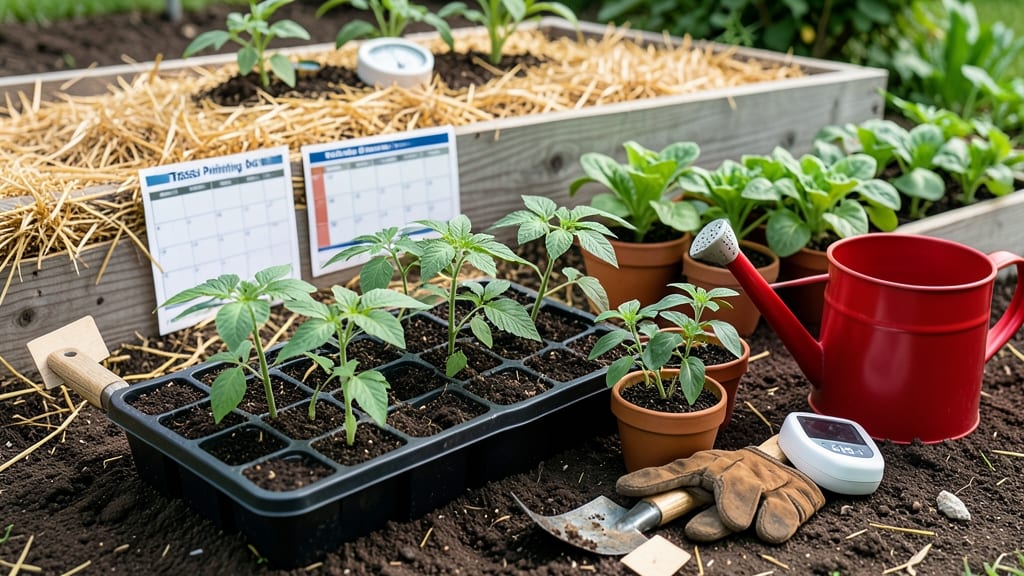
Planting your spring garden in Texas at the right time means the difference between a thriving harvest and a wilted disappointment — and with 11 heat zones stretching from the Panhandle to the Rio Grande, there’s no one-size-fits-all answer.
Texas gardeners know timing is everything — plant too early, and your spring crops could wilt under sudden heat; too late, and you’ll miss peak harvests.
But with Texas’ diverse heat zones (from the Panhandle’s chill to South Texas’ swelter), figuring out the perfect planting window feels like solving a puzzle.
In this guide, I’ll break down the exact deadlines for cool-season crops like lettuce and onions versus heat-lovers like okra, plus how to adjust for late freezes or early heatwaves. No more guessing — just data-driven dates tailored to your corner of the state.
You’ll learn which crops to start indoors now, which can wait until March, and how to stretch your growing season with simple tricks like shade cloth or succession planting. Let’s get those seeds in the ground at the right moment.
Texas heat-Zone planting deadlines by crop type (2024 guide)
Texas’ 11 distinct heat zones create wildly different planting windows—what works in North Texas (Zone 7b) can fry in South Texas (Zone 9b). To avoid heat stress or late frost damage, I’ve broken down the exact deadlines for cool-season and warm-season crops by zone.
Grab your frost date calendar and let’s dive in!
Cool-season crops like lettuce and peas thrive in 50–60°F soil, while heat-lovers such as okra and sweet potatoes need 75°F+ soil to germinate. Miss the window, and you’ll either lose seedlings to frost or watch them bolt in the heat.
Below, I’ve mapped out the last frost dates and optimal planting windows for each zone.
| Heat Zone | Last Frost Date | Cool-Season Deadline | Warm-Season Start | Example Crops |
|---|---|---|---|---|
| 7a (Panhandle) | March 15 | March 1–15 | April 15 | Spinach, Kale, Tomatoes |
| 7b (North TX) | March 1 | February 15–March 1 | March 20 | Peas, Broccoli, Peppers |
| 8a (Central TX) | February 15 | January 15–February 15 | March 1 | Lettuce, Carrots, Okra |
| 8b (Austin) | January 31 | January 1–January 15 | February 15 | Radishes, Onions, Eggplant |
| 9a (Hill Country) | January 15 | December 15–January 15 | February 1 | Green Beans, Cucumbers, Basil |
| 9b (South TX) | December 31 | November 15–December 15 | January 15 | Sweet Potatoes, Okra, Peppers |
| 10a (Rio Grande) | November 15 | October 15–November 15 | December 1 | Collards, Tomatoes, Watermelon |
For Zone 7a–7b (Panhandle/West Texas), cool-season crops like broccoli and cauliflower must hit the soil by March 15 to avoid frost. In Zone 9b–10a (South Texas), you can plant warm-season crops like okra as early as January—but only if soil temps stay above 75°F.
Use a soil thermometer to check before planting!
Pro tip: Succession plant heat-tolerant crops like bush beans every 2–3 weeks to extend harvests. In Zone 8a–8b, start peppers indoors by February 1 and transplant after March 15 to beat the heat. For cool-season greens, use row covers to protect seedlings until soil warms.
If you’re in Zone 9b+, avoid planting cool-season crops after February—they’ll bolt faster than you can say “Texas summer.” Instead, focus on heat-loving crops like sweet potatoes and eggplant, which thrive in 90°F+ temps.
For Zone 7a–8a, prioritize fast-maturing varieties (e.g., bush beans in 50 days) to harvest before June heat arrives.
Remember: Soil temperature matters more than air temperature. Use a moisture meter to confirm soil is 60°F+ for warm-season crops. In Zone 8b–9a, you can even <
How to adjust planting dates for Texas’ unpredictable weather patterns
Texas’ spring weather can shift faster than a jackrabbit—one day it’s freezing, the next it’s 90°F. To beat the odds, I’ve learned to play it smart with flexible planting dates and weather-proofing strategies.
Urban areas like Austin can be 10°F hotter than rural spots just 20 miles away, so your neighbor’s planting schedule might not work for you.
Start by checking your local last-frost dates, but don’t rely on them blindly. The Texas A&M AgriLife Extension recommends waiting 2-3 weeks after the average last frost—because Texas loves throwing curveballs.
For example, North Texas might see frost in early April, while South Texas could be frost-free by February. Adjust accordingly.
⚠️ WARNING: Late Freezes Can Wipe Out Your Garden in Minutes ⚠️ Urban Heat Islands (like Dallas or Houston) trap heat, delaying frost but also speeding up soil warming.
Rural areas may stay cooler longer. Microclimates matter: Plant heat-lovers like okra or sweet potatoes after April 15 in Central Texas, but by March 15 in the Rio Grande Valley. For cool-season crops (lettuce, peas), use row covers until soil temps hit 50°F consistently—even if the air warms up.
Here’s my go-to trick: I plant succession crops in staggered rows. For example, sow bush beans every 2 weeks from March to May. This way, if a heatwave fries one batch, another is just getting started.
Pair this with drought-tolerant varieties like Texas Bluebonnet beans or Black Seeded Simpson lettuce, which handle Texas’ unpredictable rains better than flimsy supermarket seeds.
Don’t forget mulching—it’s your secret weapon against soil temp swings. A 2-inch layer of straw or wood chips keeps roots cool in summer and warm in spring.
I also use drip irrigation on a timer to avoid water stress. Overwatering before a freeze can kill plants faster than the cold itself!
For high-value crops like tomatoes, I harden off seedlings indoors with grow lights until mid-April, then transplant after the 14-day forecast shows no frost risk. This extra step saved my heirloom tomatoes last year when a surprise freeze hit in early March.
Finally, keep a gardening journal to track your local patterns. Note when your soil warms to 60°F (use a soil thermometer!) and adjust future years. Texas’ weather may be unpredictable, but with these tweaks, you’ll outsmart the heat—not the other way around. 🌱