Planting
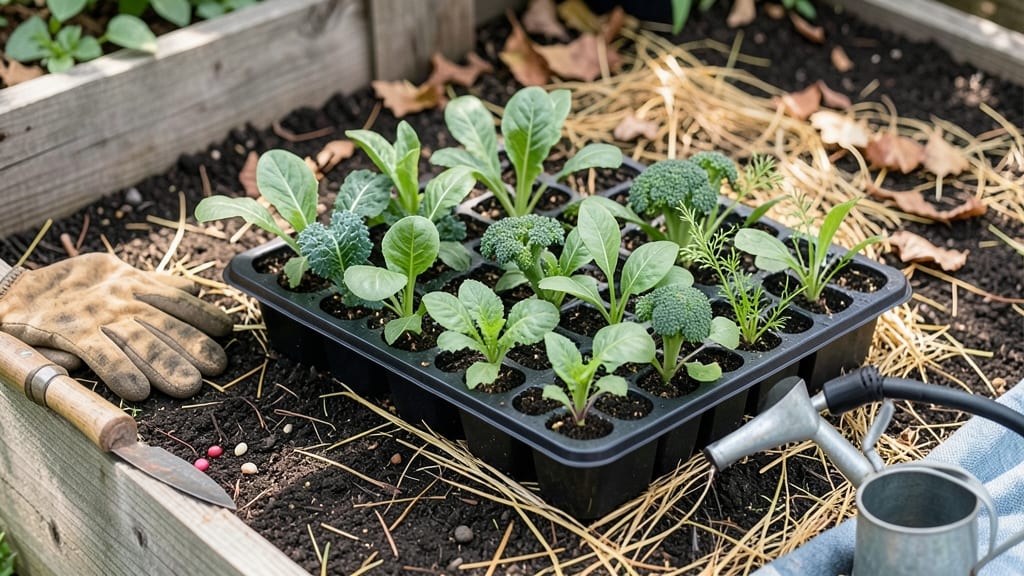
Planting your fall garden in Florida between late August and October is the secret to beating the heat and harvesting fresh produce all winter long.
If you’ve ever watched a summer crop bolt in the Florida sun or struggled to keep greens alive through September’s humidity, you know timing is everything. The trick? Start with heat-tolerant crops like collards and sweet potatoes in August, then shift to cooler-season veggies by mid-October—just as the temperatures dip.
Florida’s frost-free zones (8a-11) mean no sudden freezes, but microclimates still matter. North Florida’s cooler evenings call for earlier planting, while South Florida’s lingering heat demands shade cloth for delicate seedlings.
Below, I break down the exact windows for each region and the 10 zero-frost crops that thrive when planted right.
You’ll learn how to stretch your harvest through February, adjust for tropical storms, and avoid the three biggest mistakes Florida gardeners make—like planting too late for a fall harvest or ignoring soil prep in the heat.
Florida heat-zone planting calendar: exact dates for fall vegetables by region
Florida’s fall gardening success hinges on understanding your heat zone—North, Central, or South—since temperatures and humidity shift dramatically across the state. While frost is rare, cool-season crops thrive when planted at the right time to avoid summer’s lingering heat or sudden tropical downpours.
For example, collard greens in North Florida need cooler nights by mid-September, while sweet potatoes in South Florida can handle planting until late October.
Timing is everything because Florida’s fall transition (August–November) offers a narrow window where daytime heat drops just enough for leafy greens and root vegetables to flourish without bolting. Miss the mark, and you’ll either battle heat stress or watch crops mature too slowly.
My pro tip: Use a shade cloth for early plantings in hotter zones to buy extra time for seedlings.
| Region | Planting Window | Key Crops | Avoid Planting After | Notes |
|---|---|---|---|---|
| North Florida (Zones 8a-8b) | August 15–September 30 | Collards, Kale, Turnips, Broccoli, Carrots | October 15 (heat stress risk) | Use row covers for early frost dips |
| Central Florida (Zones 9a-9b) | August 1–October 15 | Okra, Sweet Potatoes, Black-Eyed Peas, Spinach, Radishes | November 1 (hurricane season risk) | Prioritize drought-tolerant varieties |
| South Florida (Zones 10a-11) | September 1–November 1 | Sweet Potatoes, Yam Beans, Malabar Spinach, Mustard Greens | November 15 (rainy season peaks) | Raise beds for poor drainage areas |
In North Florida, where nights can dip into the 50s°F by late September, focus on cool-season staples like broccoli and carrots. Plant collard greens by August 20 to ensure they’re established before temperatures stabilize.
My 2022 garden lesson: I planted kale too late in Jacksonville, and it bolted before October’s cooler snaps arrived.
Central Florida’s extended heat means you’ve got more flexibility—okra and black-eyed peas can handle planting until mid-October. However, leafy greens like spinach need to be in the ground by September 1 to avoid heat stress.
I’ve found that succession planting every 2 weeks in Orlando keeps harvests steady through December.
South Florida’s tropical climate lets you push boundaries with heat-loving crops like sweet potatoes and yam beans, which thrive when planted as late as October 15. But avoid planting after November 1, when hurricane season and heavy rains can drown seedlings.
My Miami garden hack: Use elevated beds to prevent waterlogging during tropical downpours.
For container gardening in urban areas, stick to compact varieties like bush beans or radishes, which mature quickly. Move pots to shadier spots by mid-October to protect heat-sensitive crops from afternoon sun.
I’ve had great luck with 5-gallon buckets for herbs like cilantro, which bolt faster in Florida’s warm fall.
Don’t overlook soil prep—Florida’s sandy soils drain too quickly for fall crops. Amend beds with 2–3 inches of compost and a balanced fertilizer (10-10-10) before planting. In North Florida, I add a mulch layer in early September to retain moisture as temperatures drop.
For South Florida, focus on improving drainage to prevent root rot during the wet season.
Watch for pests like cabbage worms and aphids, which thrive in Florida’s mild fall. Use row covers for broccoli and kale in North Florida, and neem oil for organic control in Central and South regions. My fall garden rule: Ins
Top 10 zero-frost fall crops for Florida gardens and their ideal planting times
Florida’s fall gardens thrive when you choose heat-tolerant, frost-free crops that love the season’s mild temperatures. Unlike northern states, we don’t have to worry about frost—but we do need to avoid summer’s scorching heat.
The key? Planting at the right time to let crops mature before temperatures dip too low or spike again.
These 10 top-performing fall crops are perfect for Florida’s climate, offering high yields with minimal fuss. Whether you’re in North Florida’s cooler zones or South Florida’s tropical heat, timing is everything.
Plant too early, and your seedlings bolt in the summer heat; too late, and you miss the sweet spot for harvests before winter sets in.
Plant by August 15 (North FL) or September 1 (South FL). Thrives in 70-85°F soil. Ready in 50-60 days.
Direct sow by July 31 (North FL) or August 15 (South FL). Loves 65-75°F nights. Harvest in 60-80 days.
Sow by August 1 (North FL) or September 10 (South FL). Prefers 55-70°F soil. Roots ready in 40-50 days.
Start seeds by July 20 (North FL) or August 1 (South FL). Sweetens in 50°F temps. Harvest in 50-60 days.
Plant slips by June 15 (North FL) or July 1 (South FL). Needs 80-90°F soil. Harvest in 90-120 days.
For South Florida gardeners, focus on late summer plantings—think black-eyed peas and okra—to avoid the brutal August heat. In North Florida, start earlier with collards and turnips to beat the summer’s end.
Pro tip: Use shade cloth for seedlings planted in late August to protect them from unexpected heat spikes.
Don’t overlook herbs like cilantro and dill, which bolt quickly in Florida’s heat. For these, aim to sow by mid-September to enjoy fresh flavors before winter. And if you’re growing broccoli or cauliflower, start transplants by early August—they’ll need time to establish roots before temperatures drop.
Remember, Florida’s fall harvests extend into winter for many crops. With the right timing, you can enjoy fresh kale in December or turnips in January—no frost required! The secret? Succession planting every 2-3 weeks to keep your garden producing.
🌱