
Planting
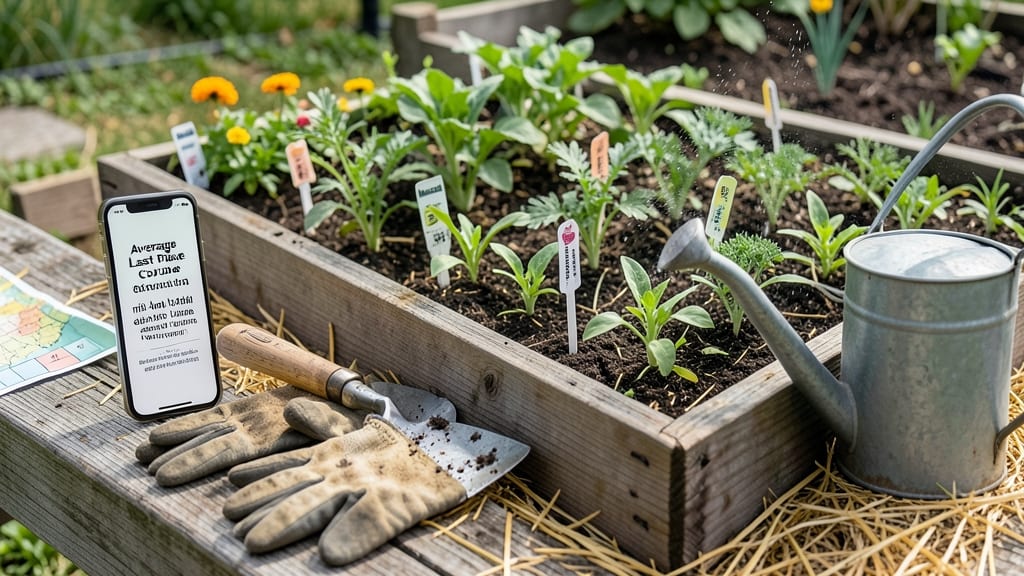
To plant a garden in Colorado, start after your last spring frost—typically mid-April in Denver, but two to four weeks later in high-altitude areas like Eagle County.
Colorado’s diverse elevation zones create unique gardening challenges—plant too early and frost will strike, too late and your harvest suffers. Timing is everything for a thriving garden, especially when your 60-day tomatoes need every warm day to ripen.
Most Colorado gardeners divide their planting into two key windows: early spring for cool-season crops like peas and lettuce, and late spring for heat-lovers such as beans and squash. But don’t stop there—fall planting (like garlic in October) lets you cheat the short growing season.
Below, I break down the exact frost-free deadlines by zone, which crops thrive where, and how to stretch your season with simple tricks like row covers. Ready to grow?
Colorado’s frost-free planting deadlines by elevation Zone
Colorado’s elevation variations mean your last frost date could vary by weeks depending on where you live. The Front Range (Denver, Boulder) typically sees its last frost between April 15-30, while Western Slope areas like Grand Junction warm up 2-3 weeks earlier.
Mountain regions above 8,000 feet often wait until mid-May or later. Understanding these microclimates is key to avoiding frost damage.
Urban areas like Denver and Colorado Springs experience heat islands that can push frost dates 3-5 days earlier than rural areas. Meanwhile, high-altitude gardens (above 7,500 feet) may face frost risks until June 1 or later.
Always check your local USDA hardiness zone (typically 5-7 in Colorado) and adjust planting dates accordingly.
For cool-season crops like peas and lettuce, you can plant 2-4 weeks before your last frost date. Warm-season plants such as tomatoes and peppers need to wait until 2 weeks after your last frost.
In Zone 5 areas (elevations 5,000-6,000 feet), this often means starting warm-season crops around May 15.
Here’s a quick reference for Colorado’s three main elevation zones, including adjustments for urban vs. rural areas:
| Elevation Zone | Last Frost Date | First Frost Date | Urban Adjustment | Rural Adjustment |
|---|---|---|---|---|
| Front Range (Denver, Boulder, Fort Collins) | April 15–30 | October 1–15 | 2–3 days earlier | 2–3 days later |
| Western Slope (Grand Junction, Durango) | April 1–15 | October 15–30 | 1–2 days earlier | 1–2 days later |
| Mountain Regions (above 8,000 ft) | May 1–15 | September 15–October 1 | N/A (limited urban areas) | Up to 1 week later |
If you’re in a microclimate (like a south-facing slope or valley), you might plant 1-2 weeks earlier than the average. Conversely, northern exposures or high-altitude pockets may require delaying planting by 10 days or more.
For example, Colorado Springs (Zone 6) often aligns with the Front Range timeline, but Pikes Peak areas can lag behind by 2 weeks.
For fall planting, aim to sow cool-season crops like kale and carrots 60-75 days before your first frost. In Zone 5, this means starting by late July. Garlic and onions can even be planted in October for a spring harvest.
Always monitor local weather forecasts—late-season frost can strike unexpectedly, especially in high-altitude gardens.
Pro tip: Use row covers or cold frames to extend your planting window by 2-4 weeks in early spring or late fall. These tools create a microclimate that protects tender plants from late frosts.
For example, I’ve successfully grown spinach in Denver as early as March 15 using a simple floating row cover.
Remember, soil temperature matters just as much as air temperature. Wait until the soil reaches at least 50°F for cool-season crops and 60°F for warm-season plants. In dry climates like the Western Slope, soil warms up faster, while moisture-rich Front Range areas may take longer.
Test your soil with a thermometer for accuracy.
Finally, keep a gardening journal to track your local frost dates over 3-5 years. Colorado’s climate shifts yearly, and your notes will help you refine your planting schedule for future seasons. Start with these elevation-based guidelines, then adjust based on your unique microclimate and past experiences.
Best vegetables to plant in each Colorado elevation Zone
Colorado's elevation zones—from Denver's 5,280 feet to Grand Junction's 4,450 feet—dictate what grows best. Cool-season crops thrive in early spring, while warm-season plants need summer's heat. Let's match your elevation to the perfect plants.
For Denver (Zone 5-6), focus on hardy cool-season veggies like peas and spinach in April, then transition to tomatoes and peppers by late May.
In Colorado Springs (Zone 5-6), similar timing works, but add high-altitude varieties like 'Black Krim' tomatoes. Grand Junction (Zone 7a) enjoys longer growing seasons, allowing for earlier warm-season plants like basil by early April.
- 🌱 Cool-Season (Apr-May): Peas, spinach, lettuce, kale, broccoli
- ☀️ Warm-Season (Jun-Aug): Tomatoes, peppers, cucumbers, beans, squash
- ❄️ Frost Dates: Last frost May 1-15, first frost Oct 1-15
- 🌱 Cool-Season (Mar-Apr): Potatoes, carrots, radishes, cabbage, onions
- ☀️ Warm-Season (May-Jul): Eggplant, okra, sweet potatoes, melons
- ❄️ Frost Dates: Last frost Apr 15-May 1, first frost Sep 15-Oct 1
- 🌱 Cool-Season (Feb-Mar): Garlic, onions, peas, spinach, lettuce
- ☀️ Warm-Season (Mar-May): Peppers, tomatoes, corn, basil, zucchini
- ❄️ Frost Dates: Last frost Mar 15-Apr 1, first frost Nov 1-15
In Denver and Colorado Springs, prioritize short-season varieties like 'Early Girl' tomatoes or 'Red Norland' potatoes. These mature quickly before late-summer frosts. Grand Junction's longer season lets you grow heat-loving crops like okra or sweet potatoes that struggle at higher elevations.
For all zones, succession planting is key. Sow lettuce every 2 weeks from April to July, and harvest radishes in 30 days for continuous yields. Drought-resistant varieties like Swiss chard or malabar spinach thrive in Colorado's dry air.
Test soil in early spring—aim for pH 6.0-7.0—and amend with compost. Mulch heavily to retain moisture in high-altitude gardens where evaporation is rapid. Start seeds indoors 6-8 weeks before last frost for a head start.
Remember: Elevation matters more than latitude in Colorado. A 5,000-foot garden may need the same care as a 7,000-foot one 200 miles away. Adjust planting dates by 1-2 weeks per 1,000 feet upward.