
Planting
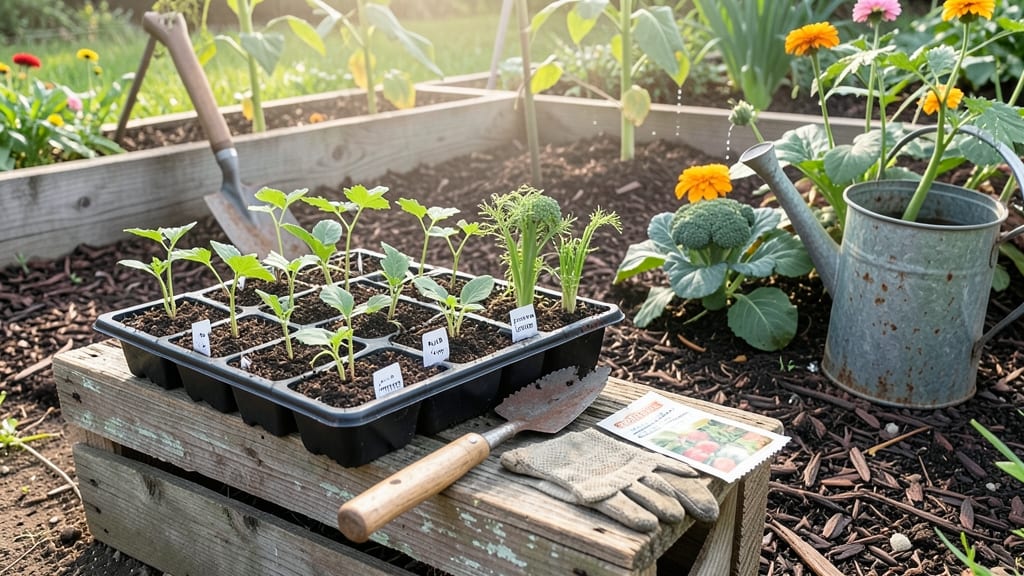
Planting a garden in Georgia at the right time means the difference between a bumper crop and a total bust—especially when frost-free zones and county deadlines shift from north to south.
Here’s the hard truth: Miss your window by even a few weeks, and you’ll watch your seedlings wilt under late frosts or bolt into flower before producing a single tomato. Georgia’s climate is forgiving, but it’s not forgiving enough for guesswork.
Whether you’re in the cooler Piedmont hills or the balmy coastal plains, knowing your county’s exact frost dates—and how to adjust for microclimates—is the key to a garden that thrives all season long.
In this guide, I’ll break down the month-by-month planting calendar for Georgia’s most popular crops, plus pro tips to extend your growing season so you can harvest well into fall (or even winter, if you’re clever).
Georgia’s frost-free zones & county-specific planting deadlines by region
Georgia’s diverse climate—from the mountainous north to the coastal south—creates wildly different planting windows. While Savannah (Zone 8a) enjoys a 300+ day frost-free season, Blue Ridge (Zone 7a) gardeners face earlier frosts.
Understanding your USDA zone and county-specific deadlines ensures you plant tomatoes, peppers, and squash at the perfect time for maximum yield.
For zero-frost-risk crops, timing is everything. In North Georgia, wait until mid-April to plant heat-lovers like okra or sweet potatoes. Meanwhile, South Georgia can start as early as late February for the same varieties.
These differences make county-level data essential—your neighbor’s garden might be thriving while yours struggles if you plant too early or late.
Here’s how to navigate Georgia’s frost-free zones with confidence, using real county examples to guide your planting schedule:
| Region | USDA Zone | Avg Last Frost | Frost-Free Window | Tomato Planting Deadline | Pepper Planting Deadline | Squash Planting Deadline |
|---|---|---|---|---|---|---|
| North Georgia (Atlanta Metro) | Zone 7b-8a | March 15 - April 1 | 180-200 days | April 15 - May 1 | April 20 - May 10 | April 1 - May 15 |
| Central Georgia (Macon) | Zone 8a | March 1 - March 15 | 200-220 days | March 20 - April 15 | March 25 - April 20 | March 10 - April 10 |
| South Georgia (Savannah) | Zone 8a-8b | February 15 - March 1 | 240-260 days | February 20 - March 15 | February 25 - March 20 | February 10 - March 10 |
| Northwest Georgia (Dalton) | Zone 7a | April 1 - April 15 | 160-180 days | May 1 - May 15 | May 10 - May 30 | April 15 - May 10 |
Key: Deadlines reflect transplanting times for established seedlings. For direct-sown crops like beans or peas, subtract 2-4 weeks. Microclimates (e.g., valleys or urban heat islands) can shift deadlines by 1-2 weeks.
Notice how Savannah’s planting deadlines arrive 6-8 weeks earlier than Dalton’s? This isn’t just about latitude—elevation changes and urban heat islands (like Atlanta) can create 10°F temperature swings within 50 miles. Always check your specific county’s historical frost data via the Georgia Climate Project for precision.
For tomatoes, the 14-day window before your county’s last frost is critical. Planting too early risks cold soil, which stunts roots and delays fruiting. Peppers, even more sensitive, need soil temps above 60°F—wait until May 1 in Zone 7a counties like Dahlonega to avoid transplant shock.
Pro tip: Use row covers to push deadlines 2-3 weeks later in Zone 7a areas. I’ve successfully grown cucumbers in May in Gainesville (Zone 7b) by covering seedlings with floating row covers until soil warms. This trick adds 30-40 days to your harvest window.
Don’t overlook succession planting for crops like bush beans or lettuce. In Zone 8a, you can plant every 2 weeks from February through October—but in Zone 7a, limit succession to April-June and August-September to avoid frost damage.
Local nurseries often provide county-specific planting calendars. For example, Pinehurst Nursery in Savannah recommends starting okra in early March, while Horticulture Supply in Gainesville waits until mid-April. Call ahead to confirm their 2025 deadlines—some adjust yearly based on La Niña/El Niño patterns.
For squash and melons, aim to harvest before first frost. In Zone 7a, that means planting by August 1 for a fall harvest. Use fast-maturing varieties like ‘Early Prolific’ squash (50 days to harvest) to beat the clock.
In Zone 8a, you can extend this to September 15 with minimal risk.
Track your local frost dates for 3 years to spot patterns. My Zone 7b garden in Woodstock had a late frost in 2021 that delayed pepper planting until May 10—but 2022’s early spring let me start April 15. Adaptability is key.
Remember: Frost-free ≠ frost-proof. Even in Zone 8b, a hard freeze (below 28°F) can damage tender crops. Monitor NOAA forecasts
Best crops to plant by month in Georgia (with frost risk alerts)
Georgia’s diverse climate—from mountain valleys to coastal plains—means your planting schedule should adapt to microclimates. Frost-sensitive crops like tomatoes and peppers thrive in long, warm seasons, while cold-hardy greens like kale and collards handle cooler temperatures.
Timing is everything to avoid late-spring frosts or early-fall chills.
North Georgia’s USDA Zone 7a (e.g., Atlanta) has earlier frost risks than South Georgia’s Zone 8a (e.g., Savannah). Mountain regions like Blue Ridge can see frost as late as May 15, while coastal areas may stay frost-free until January.
Always check your local county extension office for precise deadlines.
Frost-sensitive crops (e.g., cucumbers, okra, sweet potatoes) need warm soil (60°F+) to germinate. Succession planting every 2-3 weeks ensures a continuous harvest. Cold-hardy crops like broccoli and spinach can handle light frosts and even thrive in fall plantings.
| Month | Cold-Hardy Crops | Warm-Season Crops | Frost Risk |
|---|---|---|---|
| January | Spinach, Kale, Collards | None (too cold) | High (North GA) |
| February | Peas, Lettuce, Carrots | None | Moderate |
| March | Broccoli, Cabbage, Radishes | Tomatoes (start indoors) | Low (South GA) |
| April | Green Beans, Potatoes | Peppers, Cucumbers, Okra | Very Low |
| May | None (too warm) | Sweet Corn, Squash, Eggplant | None (frost-free) |
| June–August | None (peak heat) | All warm-season crops | None |
| September | Kale, Mustard Greens, Turnips | Okra, Southern Peas | Low (early frost risk) |
| October | Spinach, Lettuce, Radishes | None | Moderate (North GA) |
For succession planting, prioritize fast-maturing crops like bush beans (50 days) or radishes (25 days) every 2 weeks from April to September. Slow growers like squash or tomatoes (90+ days) should be planted in April–May for a summer harvest.
Mountain gardeners should wait until after May 15 for warm-season crops, while coastal gardeners can plant tomatoes as early as March 15. Use row covers or cold frames to protect late plantings from unexpected chills in October. Always monitor 1