
Planting
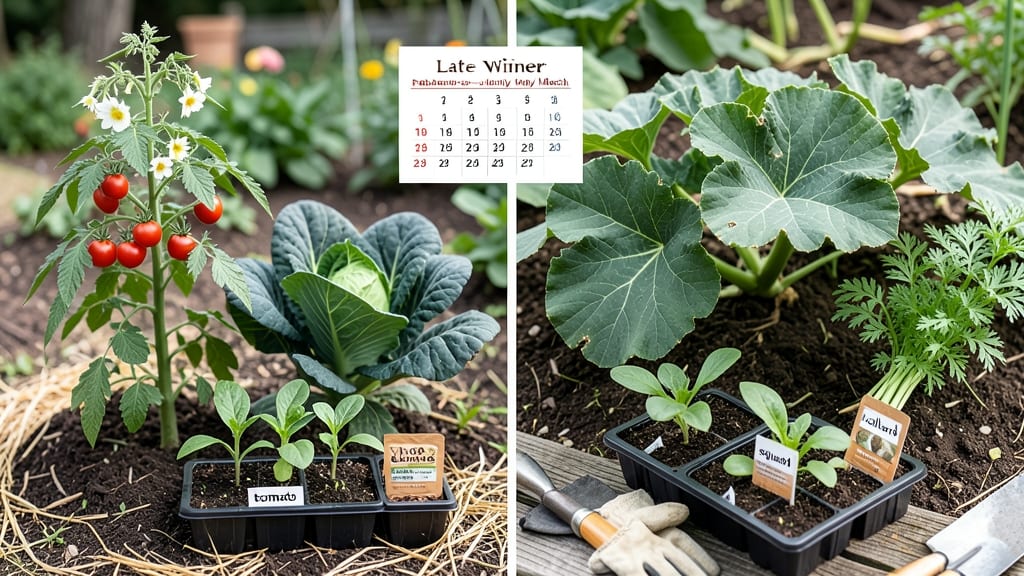
Planting a garden in Georgia means working with a long growing season and unpredictable weather, but timing your crops right is the key to success.
If you’ve ever rushed to plant too early and lost seedlings to a late frost—or waited too long and missed peak harvests—you know how quickly things can go wrong. Georgia’s climate shifts from chilly mountain valleys to steamy coastal plains, and your planting schedule should shift with it.
From the cool-season greens of early spring to the heat-loving tomatoes of summer, each crop has its own ideal window. Below, I break down the exact frost dates by USDA zone, the best months for warm- and cool-season plants, and how to adjust for Georgia’s infamous unpredictable weather patterns.
You’ll walk away with a zone-specific planting calendar, soil prep tips, and strategies to beat late frosts or early heatwaves—so you can finally grow the garden you’ve always wanted, without the guesswork.
Georgia planting zones: frost dates and last-freeze averages by region
Georgia spans USDA Hardiness Zones 5A through 8B, creating dramatic differences in frost timing from the Blue Ridge Mountains to the coastal plains.
In Zone 5A (northwest GA), gardeners face a last frost date of April 15, while Zone 8B (southeast GA) enjoys frost-free conditions until January 15.
These variations mean your tomato seedlings in Athens (Zone 8A) can go in the ground 6 weeks earlier than those in Dalton (Zone 7A).
Understanding these microclimates is critical because Georgia’s humidity and heat create unique challenges. The 10-day rule is my go-to strategy: Wait 10 days after your zone’s average last frost date before planting heat-loving crops like peppers and okra.
This buffer accounts for Georgia’s unpredictable late frosts, especially in higher elevations.
For precision planning, I recommend using the Georgia Climate Project’s interactive zone map. You can overlay your property’s coordinates with real-time frost data from the National Weather Service. This tool shows how urban heat islands in Atlanta (Zone 8A) can create earlier planting windows than nearby rural areas.
The summary table below breaks down Georgia’s zones by average last frost dates, safe planting windows, and cold-hardy crops you can start earlier. Bookmark this for your 2025 planting schedule—Georgia’s weather doesn’t follow the calendar!
Notice how Zone 8B allows year-round planting for heat lovers? In Savannah, I’ve successfully grown tomatoes in January
Best planting calendar for Georgia crops: cool-season vs. warm-season vegetables
Georgia’s humid subtropical climate lets you grow cool-season and warm-season crops year-round with the right timing. Cool-season plants like broccoli and lettuce thrive in spring and fall, while warm-season crops such as tomatoes and peppers need consistent warmth after the last frost.
Here’s your month-by-month planting guide tailored for Georgia’s USDA zones 7-8.
For cool-season vegetables, start seeds indoors 6-8 weeks before your average last frost date (typically mid-March in North Georgia and early February in South Georgia). Warm-season crops should wait until soil temperatures reach 60°F+, usually mid-April to May.
Succession planting—adding new seeds every 2-3 weeks—extends harvests and keeps your garden productive.
For cool-season crops, focus on spring (February–April) and fall (August–September) plantings. Warm-season crops like tomatoes and peppers need consistent warmth, so wait until after the last frost (usually mid-April in North Georgia and early March in South Georgia).
Use row covers or cold frames to extend cool-season growing into late fall.
Georgia’s humidity and heat can stress warm-season plants, so prioritize succession planting every 2-3 weeks for continuous harvests. Drought-tolerant varieties like Carolina Gold cucumbers or Jupiter peppers thrive in Georgia’s climate. Always mulch heavily to retain moisture and water deeply in the morning to prevent fungal diseases.
Don’t forget fall planting! Cool-season crops like spinach and kale can be sown as early as August for harvests before winter. Use shade cloth in summer to protect seedlings from intense sun. With this schedule, you’ll enjoy fresh