
Planting
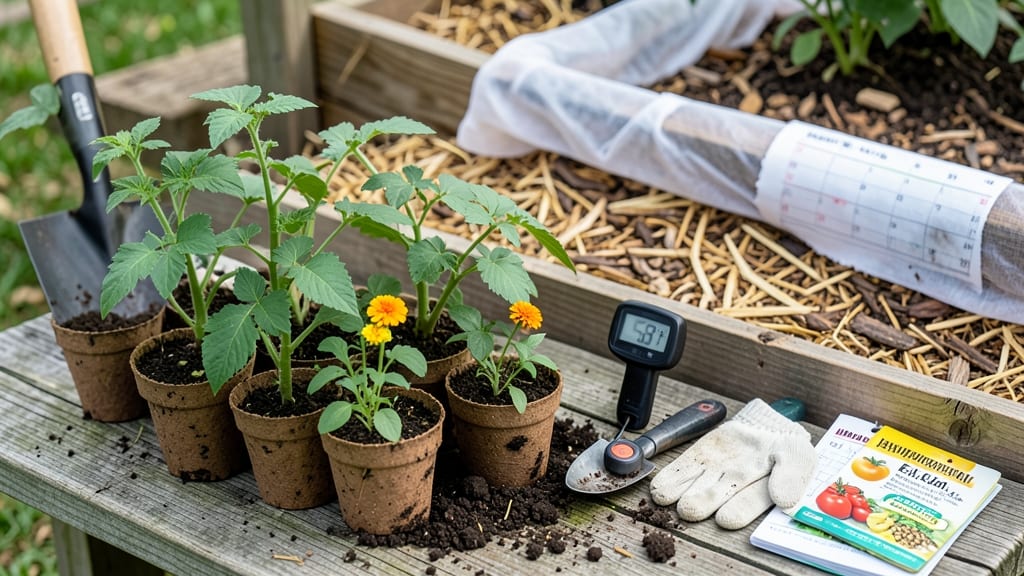
Planting a garden in Michigan at the right time means the difference between a bountiful harvest and a sad pile of frozen seedlings.
Michigan’s unpredictable frost dates can turn a gardener’s dream into a frozen nightmare—but knowing the exact planting windows for your zone means zero wasted seeds and maximum harvests. Whether you’re in the Upper Peninsula or down in Detroit, timing is everything.
Cool-season crops like spinach and peas need to hit the soil as soon as the ground is workable, while tomatoes and peppers wait until after the last frost—usually mid-April in the south and early May up north. Miss those windows, and you’re either battling frost or wilting under summer heat.
Below, I break down the ideal planting schedule for your Michigan zone, including frost-date maps, soil prep tips, and how to stretch your growing season with row covers and succession planting. No more guesswork—just a garden that thrives.
Michigan frost dates by Zone: the exact weeks to plant for success
Michigan’s USDA Zones 4-6 create a gardening puzzle—last frost dates shift dramatically from the Upper Peninsula (Zone 4) to Southern Michigan (Zone 6).
In Zone 4, gardeners often wait until May 15 for warm-season crops, while Zone 6 gardeners can plant tomatoes as early as April 20. These differences mean your neighbor’s successful harvest could be your frozen disappointment if you plant at the wrong time.
To avoid seedling casualties, I’ve broken down county-specific frost dates and planting windows for both cool-season crops (like spinach and peas) and warm-season crops (tomatoes and peppers). Use this as your garden’s GPS—no more guesswork, just data-driven planting.
🌱Pro Tip: Always check your local NOAA frost forecast 1-2 weeks before planting, as microclimates (like urban heat islands) can shift frost dates by 7-10 days.
For cool-season crops like spinach, peas, and kale, I recommend starting seeds 4-6 weeks before your last frost date. In Zone 4, that means late March for a May harvest, while Zone 6 gardeners can sow directly in February under row covers.
Warm-season crops like tomatoes, peppers, and cucumbers need soil temperatures above 50°F.
In Northern Michigan, wait until after May 25 to transplant seedlings, while Southern Michigan gardeners can start as early as April 20. Cold snaps after planting can stunt growth, so always have frost cloth on hand.
🌿County-Specific Example: In Wayne County (Zone 6b), radishes can be sown as early as February 15 for a March harvest, while squash should wait until May 1 to avoid frost damage.
Use this interactive frost-date map from Michigan State University Extension to pinpoint your exact planting window. Simply enter your county and it’ll show historical frost data for the past 30 years, helping you plan with confidence.
💡Advanced Tip: For extended harvests, try succession planting—sow lettuce every 2 weeks from April to August to ensure a continuous supply without gaps.
Remember, soil temperature matters more than air temperature. Use a soil thermometer—50°F (10°C) is the minimum for warm-season crops, while 40°F (4°C) is ideal for cool-season greens. Test your soil 1 inch deep before planting.
✂️Final Rule: If you’re unsure, plant late. A delayed start is better than frost-killed seedlings. Use biodegradable pots for warm-season crops to transplant later if nights are still chilly.
How to adjust planting times for Michigan’s unpredictable weather patterns
Michigan’s unpredictable frost dates can turn even the most eager gardeners into nervous wrecks. One day it’s 60°F sunshine, the next a 20°F surprise frost. The key to thriving gardens lies in flexible planting strategies that account for these swings.
By mastering season extension techniques and reading local weather trends, you can turn Michigan’s erratic climate into an advantage.
Start by checking NOAA frost probability maps for your specific county. These tools show the last average frost date (typically mid-April in southern Michigan to late May in the UP) but also highlight historical cold snap risks.
For example, Warm Springs, MI might have a last frost date of April 15, but 1997’s late frost hit on May 5—so plan accordingly.
⚠️ callout-warning
Never plant warm-season crops (tomatoes, peppers, cucumbers) before May 15 in southern Michigan or June 1 in the UP—even if soil looks warm. Cold snaps after Memorial Day are common, and tender seedlings won’t recover. For cool-season crops (spinach, peas, lettuce), start 4-6 weeks before your last frost date, but use row covers if nighttime temps dip below 40°F.
Pro Tip: Use Michigan State University’s Garden Guide (msue.anr.msu.edu) for county-specific alerts on frost risks and heatwaves.
One of my favorite season extension tools is floating row covers. These lightweight fabrics (like Agribon) raise soil temperatures by 2-5°F and protect seedlings from light frosts down to 25°F.
For early spring planting, lay them over cool-season crops like kale or broccoli in March—they’ll be ready for harvest by May, beating the competition.
For warm-season crops, calculate your safe transplant date by counting backward from your first frost date. Most vegetables need 90-120 frost-free days to mature.
For example, tomatoes (90 days) can go in May 1 in Zone 6b (southern Michigan), but peppers (120 days) need a June 1 start. Use heat-tolerant varieties like ‘Early Girl’ tomatoes or ‘Jupiter’ peppers to shave off 5-7 days of growing time.
Heatwaves are another Michigan wildcard. When 90°F+ temps hit in July or August, bolting lettuce and bitter cucumbers become a problem. Shade cloth (30-50%) over leafy greens and drip irrigation keep roots cool.
For tomatoes and peppers, prune lower leaves to improve airflow and reduce blossom-end rot from uneven watering.
Finally, diverse your planting schedule by staggering successive crops. Sow radishes every 2 weeks from April to August for continuous harvests, or plant bush beans in May and July to avoid late-summer pests.
By mixing fast growers (radishes, lettuce) with slow starters (squash, corn), you’ll maximize your garden’s productivity no matter what Mother Nature throws your way.
With these adaptive strategies, you’ll turn Michigan’s unpredictable weather into your garden’s superpower. Start small—test a few row covers or staggered plantings this year—and watch your harvests outperform neighbors who play it safe. Happy (and flexible) gardening! 🌱