
Planting
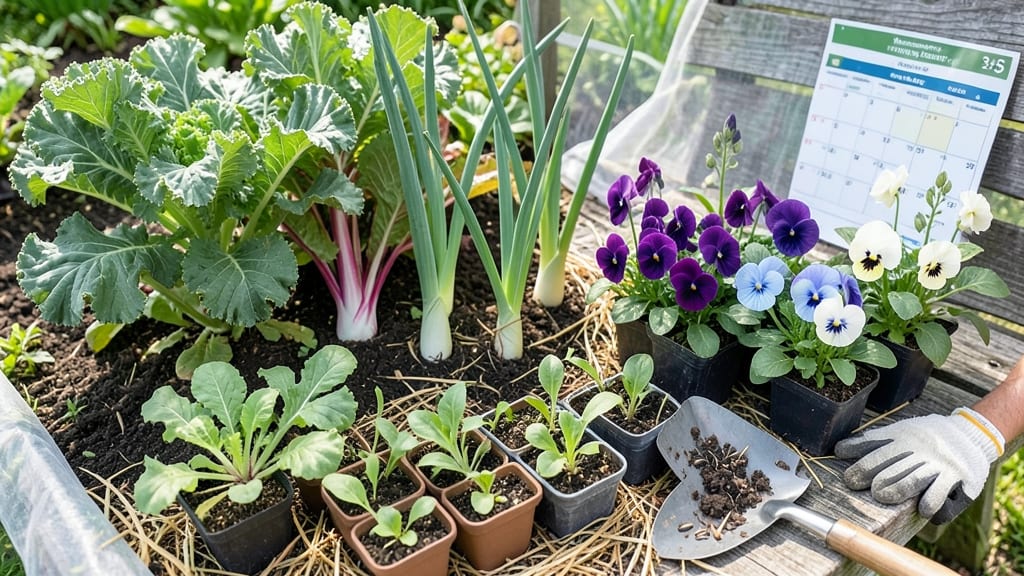
Planting a garden in Minnesota means working with a short but strategic window—cool-season crops go in as soon as the soil thaws, while tender plants wait until the last frost has passed for good.
Minnesota’s short growing season demands precision—plant too early and risk frost damage, too late and miss peak harvests. Timing your garden correctly means the difference between a thriving plot and wasted effort.
In USDA Zones 3a to 5b, your best bets are mid-April to mid-June for cold-hardy greens and root crops, then again in August for fall harvests. The key? Knowing your last spring frost (usually mid-April to early May) and first fall frost (mid-September to early October).
Below, I’ll break down the exact planting schedule for Minnesota’s top crops, frost-free strategies, and how to stretch your season with simple tools like row covers. No more guessing—just a garden that thrives.
Minnesota’s frost-free planting zones: last spring & first fall deadlines
Understanding Minnesota’s frost-free planting zones is the key to a successful garden. With USDA Zones 3-5 across the state, your planting timeline depends heavily on whether you're in northern Minnesota (Zone 3-4) or southern Minnesota (Zone 4-5).
The difference between these regions can mean weeks of growing time, so knowing your last spring frost and first fall frost dates is critical.
In northern Minnesota, the last spring frost typically arrives between May 15–June 1, while southern areas often see frost-free conditions by April 20–May 10.
Conversely, the first fall frost hits northern regions by September 15–October 1, while southern gardens may enjoy frost-free conditions until October 10–20. These dates create a 120–160-day growing season, which is why choosing the right crops and timing is essential.
Here’s a quick reference for cold-hardy crops like spinach, peas, and kale, which can handle early planting, versus tender plants such as tomatoes, peppers, and basil, which need to wait until after the last frost. Getting this wrong can mean lost harvests or stunted growth.
| Region | USDA Zone | Last Spring Frost | First Fall Frost | Frost-Free Days | Cold-Hardy Crops | Tender Crops |
|---|---|---|---|---|---|---|
| Northern MN | 3a-4a | May 15–June 1 | Sep 15–Oct 1 | 120–140 | Peas, spinach, kale | Tomatoes, peppers (after June 1) |
| Southern MN | 4b-5a | Apr 20–May 10 | Oct 10–20 | 140–160 | Lettuce, radishes, broccoli | Basil, cucumbers, eggplant (after May 15) |
| Central MN | 4a-4b | May 1–May 15 | Sep 25–Oct 5 | 130–150 | Carrots, onions, cabbage | Green beans, squash (after May 10) |
For cold-hardy crops, you can start seeds indoors as early as March or plant directly in the garden once the soil reaches 40°F (4°C).
These plants thrive in cooler temperatures and can even survive light frosts. Peas, spinach, and lettuce are excellent choices for early spring planting, while kale and broccoli can handle late fall plantings if protected.
On the other hand, tender plants like tomatoes, peppers, and basil must wait until after the last frost. In southern Minnesota, this might be as early as May 15, but in northern areas, you may need to wait until June 1.
To extend their growing season, consider using row covers or cold frames to protect young plants from unexpected late frosts.
If you’re unsure about your exact frost dates, check the MN DNR’s frost maps or contact your local University of Minnesota Extension office for region-specific advice. They often provide 10-day forecasts for frost dates, which can help you plan your planting schedule more accurately.
Another strategy for Minnesota gardeners is succession planting. By staggering your plantings every 2–3 weeks, you can ensure a continuous harvest of crops like lettuce, radishes, and beans. This is especially useful for short-season crops that need to mature quickly before the first frost.
Don’t forget about fall planting! Many cool-season crops like spinach, kale, and carrots can be planted in
Best planting schedule for Minnesota’s top 10 garden crops
Minnesota gardeners know timing is everything—120 frost-free days fly by, and late spring is your only shot at a full harvest. I’ve planted potatoes in March and tomatoes in July, and trust me, the difference is night and day.
The key? Succession planting and cold-hardy varieties that thrive in USDA Zones 3–5. Below is my battle-tested schedule for Minnesota’s most rewarding crops, including when to start seeds indoors and when to rush seedlings into the ground.
Northern Minnesota’s shorter season (Zone 3) means you’ll focus on early potatoes and kale, while southern gardens (Zone 5) can squeeze in peppers and squash with row covers. I’ll break it down by month, so you can plan ahead and avoid the panic of late May frosts.
Pro tip: Bookmark the MN DNR’s frost maps—they’re your new best friend.
- 📅 March: Start potatoes indoors (chit sprouts in light) and onion sets outdoors under row covers.
- 📅 April: Plant peas and spinach as soon as soil thaws (35°F). Direct-sow carrots and beets by mid-April.
- 📅 May: After last frost (avg. May 15), plant lettuce, radishes, and kale. Start tomato and pepper seeds indoors for late May transplant.
- 📅 June: Transplant tomatoes, cucumbers, and beans. Succession-sow bush beans every 2 weeks for continuous harvests.
- 📅 July: Direct-sow fall kale, turnips, and broccoli. Thin carrots and beets to avoid crowding.
- 📅 August: Plant garlic for next year and overwintering onions. Succession-sow radishes for fall harvests.
- 📅 September: Extend season with row covers for lettuce and spinach. Harvest peppers and tomatoes before first frost.
For cold-sensitive crops like tomatoes and peppers, I swear by black plastic mulch to warm the soil 5–10°F faster than bare earth. In northern MN, I’ve even used straw bales as insulation for early plantings.
And don’t overlook fall planting—kale and spinach taste sweeter after a light frost! Just remember: harvest before hard frost (below 28°F) to save your peppers and eggplants.
My top 3 mistakes? Planting cucumbers too late (they need 90 days to mature), ignoring soil temperature (wait until 50°F for warm-season crops), and skipping succession planting for bush beans.
Now that you’ve got the schedule, grab your garden journal and track your own frost dates—every yard is different! With this plan, you’ll double your harvest and triple your confidence.
Need extra time? Save tomatoes and peppers until September with a DIY cold frame (just a clear plastic box over a wooden frame). I’ve kept basil alive until October this way—perfect for holiday gifts! The secret? Monitor soil temps and water consistently.