
Planting
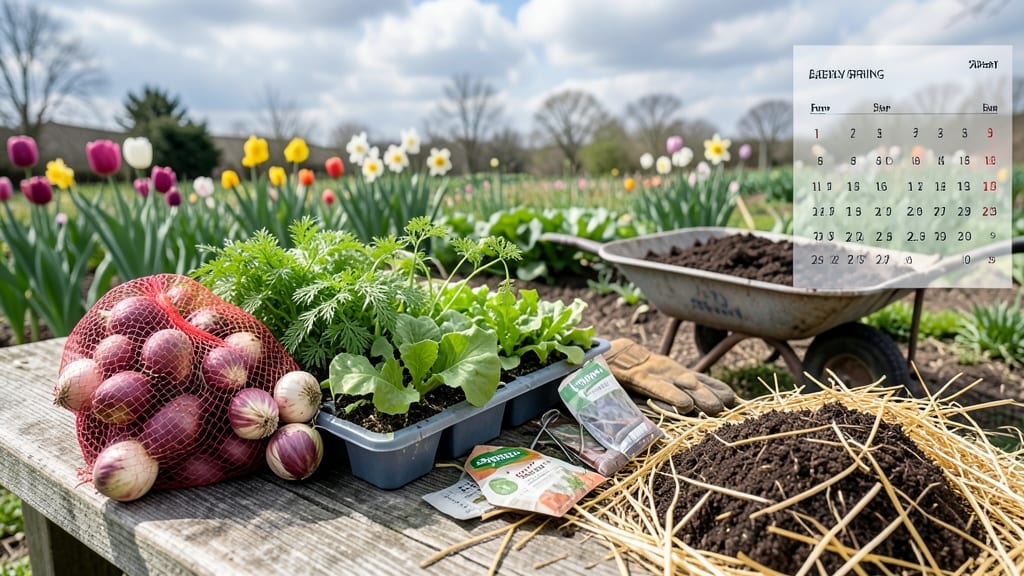
Planting a garden in Missouri means timing your seeds and starts with precision — the last frost can arrive as early as March in the Bootheel or as late as May in the Ozarks.
Missouri’s unpredictable frost dates can turn a gardener’s dream into a nightmare unless you know the exact timing for each crop and microclimate.
From cool-season greens like spinach to heat-loving tomatoes, the wrong window means wasted effort or stunted growth. But get it right, and you’ll enjoy a harvest that rivals the pros.
Here’s how to pinpoint the perfect planting schedule for your Missouri zone, crop by crop, so you can start strong and avoid the common pitfalls.
Missouri planting zones & frost dates: what you Must Know Before Starting
Missouri spans USDA zones 5a through 7a, meaning temperatures vary dramatically from north to south. In Zone 5a (northwest Missouri), average last frost dates arrive around April 20th, while Zone 7a (southeast Missouri) sees frost-free conditions by March 15th.
These differences can mean the difference between a thriving garden and a frost-killed disappointment.
Understanding your local frost dates is critical because Missouri's climate can shift abruptly. The Missouri Botanical Garden's frost calculator (available online) provides hyper-localized data based on your ZIP code.
This tool accounts for microclimates—like urban heat islands in St. Louis or sheltered valleys in the Ozarks—that can push frost dates 1-2 weeks earlier or later than regional averages.
Here’s what you must know: Cool-season crops like spinach and peas thrive when planted 4-6 weeks before your last frost date. Warm-season crops such as tomatoes and peppers need soil temperatures above 60°F—typically after your last frost date has passed by at least 2 weeks.
| Region | USDA Zone | Avg. Last Frost | Avg. First Frost | Plant Cool-Season Crops | Plant Warm-Season Crops |
|---|---|---|---|---|---|
| St. Louis | 6a | April 10 | October 25 | March 15-April 5 | May 1-June 1 |
| Kansas City | 6b | April 15 | October 15 | March 20-April 10 | May 10-June 5 |
| Southeast MO | 7a | March 15 | November 5 | February 20-March 15 | April 15-May 15 |
| Northwest MO | 5a | April 25 | October 10 | March 1-April 15 | May 15-June 10 |
For example, in St. Louis (Zone 6a), you can start spinach seeds indoors in early March, but transplanting outdoors shouldn’t happen until after April 10.
Meanwhile, in Southeast Missouri (Zone 7a), you can plant tomatoes as early as April 15—a full month earlier than in colder zones.
Missouri’s first frost dates also vary wildly. In Zone 5a, expect frost by October 10, while Zone 7a gardens often stay frost-free until November 5.
This means you can extend your fall harvests in warmer zones by planting cool-season crops like kale or radishes as late as September 15.
Pro tip: Use row covers or cold frames to push your planting windows even further. I’ve successfully grown lettuce in Zone 6a until November 1 using a simple hoop house. Just monitor soil temperatures—40°F is the magic number for many cool-season crops.
Don’t forget about microclimates. A south-facing slope in Zone 6a might warm up enough to plant tomatoes 10 days earlier than a low-lying area. Observe your yard’s unique conditions for at least 3 years to refine your planting schedule.
Missouri’s unpredictable weather means even the best-laid plans can go awry. Always have backup dates for transplanting and be ready to protect tender plants with frost cloth if late frosts threaten.
With this zone-specific knowledge, you’ll avoid the most common gardening mistakes and enjoy a longer, more productive growing season. 🌱
Best planting schedule by crop type: from asparagus to zucchini
Missouri’s diverse climate means timing is everything—plant too early, and frost will strike. Too late, and your zucchini will bolt before harvest. My month-by-month guide breaks down the perfect planting windows for Missouri’s most popular crops, tailored to USDA Zones 5a-7a.
Whether you’re a cool-season lover or a heat-loving tomato enthusiast, this schedule keeps your garden thriving year-round.
I’ve organized crops into three categories: vegetables, flowers, and herbs, with early spring starters like asparagus and peas alongside late-summer powerhouses like basil and zucchini. Pro tip: Use row covers for early starts in Zone 6 (like St. Louis) to extend your growing season by weeks.
- March: Plant asparagus crowns, potatoes, and peas—these cold-hardy crops thrive in 40°F soil.
- April: Direct-sow lettuce, spinach, and carrots; start tomato and pepper seeds indoors.
- May: Transplant tomatoes, cucumbers, and basil after last frost (avg. April 15-May 1).
- June: Sow beans, squash, and zucchini—these heat-lovers need 70°F+ soil.
- July: Plant fall broccoli and kale for autumn harvests; direct-sow pansies for September blooms.
- August: Succession-plant radishes and lettuce for cool-season regrowth.
- September: Direct-sow garlic and onions; transplant pansies and calendulas.
For flowers, pansies and calendulas are my go-to fall plants—they bloom until first frost (avg. October 15-November 1 in Missouri). Marigolds and nasturtiums can handle light frosts, making them ideal for late-summer succession planting.
Meanwhile, herbs like basil and cilantro demand warm soil—wait until May 15 or later in Zone 5a.
Missouri’s microclimates matter: Southeast Missouri (like Cape Girardeau) enjoys 2-3 weeks earlier planting than northwest (like Kansas City). Use the Missouri Botanical Garden’s frost calculator to fine-tune dates. Soil temperature is your best friend—asparagus needs 50°F+, while tomatoes stall below 60°F.
A soil thermometer (under $10) solves guesswork.
Don’t forget perennials! Strawberries and rhubarb can be planted in early spring or fall, while asparagus takes 2-3 years to establish—plant crowns in March for harvests by Year 3.
For containers, basil and radishes thrive in pots, but zucchini needs 12+ inches of depth. Mulch with straw to retain moisture and regulate soil temps.
Protect your late-summer crops with shade cloth if heatwaves hit before first frost. Zucchini and cucumbers bolt in 90°F+ temps—plant shade-tolerant varieties like ‘Eight Ball’ zucchini for extended harvests. And if fall pansies wilt early, try ‘Matrix’ series, bred for Missouri’s humidity.