
Planting
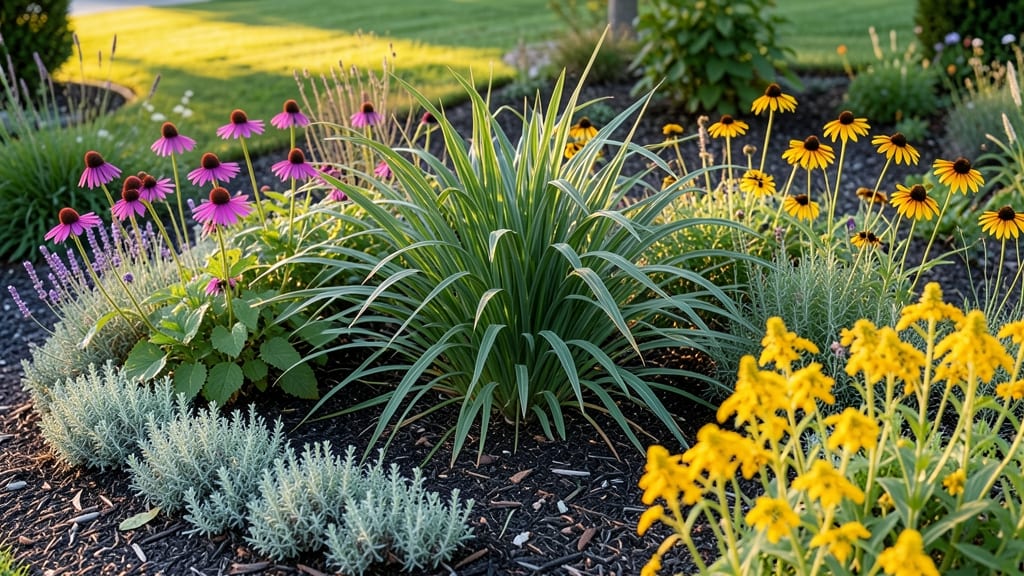
Planting a garden in North Dakota means timing your 🌱 crops precisely—waiting until after the last frost date around May 15 to avoid frozen seedlings or stunted growth.
North Dakota’s short growing season means timing your garden planting perfectly can mean the difference between a thriving harvest and a frozen disappointment. With USDA Zones 4a and 4b, knowing the exact frost-free windows for your crops is non-negotiable—especially when early blizzards or late snowfall can strike without warning.
Cool-season crops like peas and spinach can handle light frosts, but warm-season favorites like tomatoes and peppers need soil temperatures above 50°F to thrive. Starting with hardy greens in early May and transitioning to heat-loving plants by late May ensures you maximize every frost-free day.
In this guide, you’ll discover the best planting windows for Zone 4a/4b crops, tips for extending your season with row covers, and a list of the fastest-growing varieties to squeeze into North Dakota’s 120-day growing window.
North Dakota frost dates by month: exact planting windows for Zone 4a/4b vegetables
North Dakota’s USDA Zones 4a and 4b create a unique challenge for gardeners, where the average last frost date typically falls between May 10–20 and the first frost arrives as early as September 20–October 5.
This leaves roughly 120 frost-free days—just enough time to grow a productive garden if you plan carefully. Understanding these planting windows ensures your cool-season crops thrive in spring and your warm-season crops mature before fall’s chill sets in.
For Zone 4a/4b gardeners, timing isn’t just about avoiding frost—it’s about matching seedling hardiness with soil temperatures. For example, peas and spinach can handle light frosts, while tomatoes and peppers need soil temperatures above 55°F (13°C) to germinate.
Missing these windows can mean stunted growth or total crop failure, so let’s break down the exact planting schedules you need to succeed.
Spring planting kicks off as early as late April for cold-hardy crops like kale and potatoes, but most warm-season vegetables shouldn’t hit the soil until after May 15. Meanwhile, fall planting can extend into early September for cool-season crops like broccoli and carrots, as long as they’re in the ground 6–8 weeks before the first frost. The key is balancing these dates with your local microclimate—valleys and low-lying areas frost earlier than hillsides.
One of the biggest mistakes North Dakota gardeners make is planting warm-season crops too early. Even if your last frost date passes on May 10, the soil may still be too cold for germination.
Use a soil thermometer to confirm temperatures are above 55°F (13°C) before sowing seeds like beans or squash. For seedlings, wait until nighttime temperatures consistently stay above 50°F (10°C)—usually late May or early June.
For cool-season crops, the opposite is true: planting too late can result in bolting or poor yields. Direct-sow spinach and peas as soon as the soil is workable in late April, even if there’s a chance of frost.
These cold-hardy vegetables will bounce back and often taste sweeter after a light frost. Meanwhile, leafy greens like lettuce can be sown in succession every 2 weeks from April through July for a continuous harvest.
Don’t overlook fall planting, which can be just as productive as spring. Broccoli and carrots planted in mid-July have time to mature before frost, while radishes can even be sown in early September for a quick harvest.
The rule of thumb is to plant 6–8 weeks before your average first frost, which for most of North Dakota is September 20–October 5. Use row covers to push this window even further, protecting crops like Brussels sprouts until mid-October.
If you’re new to Zone 4a/4b gardening, start with short
Best crops to plant in North Dakota’s short season: fast-growing varieties for Zone 4a/4b
North Dakota’s short 120-day growing season demands smart crop choices that thrive in cool springs and warm summers. The key? Selecting fast-maturing varieties that can go from seed to harvest before the first frost.
I’ve tested these top performers in my own Zone 4b garden—all deliver reliable results even with ND’s unpredictable weather.
For early spring, focus on cold-hardy crops like peas and spinach that tolerate light frosts. In late summer, prioritize heat-tolerant varieties that mature quickly before September’s chill sets in. The secret? Planting short-season varieties with 30-60 day harvest times ensures you beat the clock.
- 🌱 Peas (Sugar Snap) - Plant April 15-May 15, harvest in 60-70 days (cold-tolerant, great for early spring)
- 🥬 Spinach (Bloomsdale Long Standing) - Sow April 1-May 15 or August 15-Sept 1, ready in 30-45 days (handles light frost)
- 🥬 Kale (Winterbor) - Direct seed May 1-June 15 or July 15-August 15, harvest in 50-60 days (stays sweet in cold)
- 🌿 Bush Beans (Blue Lake) - Plant June 10-July 1, harvest in 50-55 days (heat-tolerant, fast producer)
- 🍅 Zucchini (Eight Ball) - Transplant May 20-June 15, harvest in 45-50 days (compact, prolific)
- 🥕 Radishes (Cherry Belle) - Sow April 15-May 15 or August 1-Sept 1, ready in 25-30 days (fastest crop)
- 🍓 Strawberries (Honeoye) - Plant April 15-May 15, first fruit in 60 days (perennial, low-maintenance)
- 🥬 Lettuce (Black Seeded Simpson) - Sow April 1-May 15 or July 15-August 15, harvest in 30-40 days (cut-and-come-again)
- 🌻 Sunflowers (Moulin Rouge) - Direct seed May 20-June 15, bloom in 50-60 days (tall, drought-tolerant)
- 🥬 Swiss Chard (Bright Lights) - Plant May 1-June 15, harvest in 50 days (colorful, cold-hardy)
My top recommendation for beginners? Start with peas and radishes—they’re the most forgiving. Peas self-support with their vines, while radishes mature so quickly they’ll forgive even the most delayed planting. For maximum yield, combine bush beans (which fix nitrogen) with zucchini in the same bed.
Pro tip: Use row covers to extend your spinach and kale harvest into early October. I’ve added them as late as September 1 and still gotten 3-4 weeks of extra production. Just remove them during hot afternoons to prevent overheating.
Remember: Soil temperature matters more than air temperature in ND. Wait until your soil reaches 45°F for peas and 50°F for beans—use a soil thermometer to check. And always plant succession crops every 2 weeks to stagger harvests and avoid gluts.
With these fast-growing varieties, you’ll turn North Dakota’s brief growing window into a bountiful harvest. The key is starting early, choosing wisely, and protecting your plants from late frosts. Happy planting! 🌱