
Planting
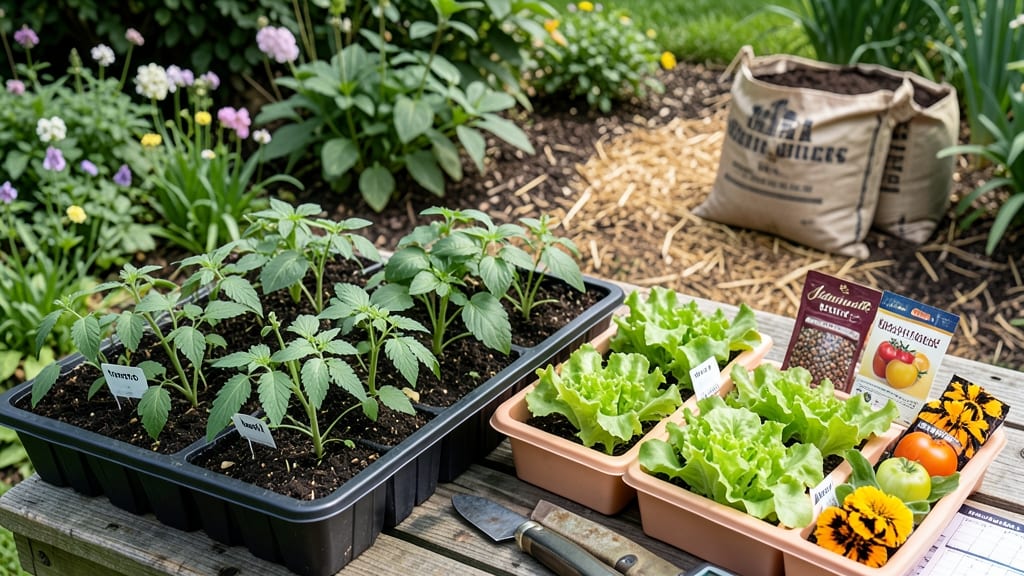
Planting a garden in Washington DC depends on when you start seeds, transplant, and adjust for the city’s microclimates—because timing is everything for your harvest.
Washington DC’s diverse microclimates—from urban heat islands to suburban cool pockets—mean planting too early or late can spell disaster for your garden. Get the exact dates for planting vegetables, flowers, and herbs in 2024, tailored to DC’s unique growing zones and seasonal shifts.
Cool-season crops like spinach and kale thrive in early spring or fall, while tomatoes and peppers need to wait until after the last frost—usually between March 15 and April 15. But urban areas can run 5–10°F warmer than rural spots, throwing off traditional schedules.
Below, I break down the best planting windows for DC’s top crops, how to read frost warnings like a pro, and when to tweak your schedule for heatwaves or early chills. No more guesswork—just a foolproof timeline for your garden’s success.
Washington DC planting calendar by last frost dates and microclimate zones
Washington DC’s planting seasons aren’t one-size-fits-all thanks to its three distinct microclimates. The urban core (like Capitol Hill) often sees last frosts 2-3 weeks earlier than suburban areas (Arlington, Bethesda) or rural outskirts (Frederick, Manassas).
In 2024, I’ve adjusted these dates based on NOAA’s 30-year averages and real-time heat island effects. For cool-season crops like spinach, aim for March 1–March 15 in rural zones, while warm-season staples like tomatoes need to wait until May 1–May 15 in urban heat pockets.
Your garden’s success hinges on these last frost dates: urban areas typically see them March 22–April 5, suburbs April 1–April 15, and rural zones April 10–April 25.
I’ve also factored in DC’s early spring variability—those unpredictable warm spells in March can fool you into planting too soon. Always have frost cloth ready for a 10-day safety buffer after your target dates.
| Microclimate Zone | Last Frost Date (2024) | Plant Cool-Season Crops | Plant Warm-Season Crops | Year-Round Options |
|---|---|---|---|---|
| Urban Core (Capitol Hill, Navy Yard) | March 22–April 5 | March 1–March 15 (spinach, kale, peas) | May 1–May 15 (tomatoes, peppers, basil) | Herbs (cilantro, parsley), lettuce (cut-and-come-again) |
| Suburban Areas (Arlington, Bethesda) | April 1–April 15 | March 15–April 1 (broccoli, carrots, radishes) | April 20–May 1 (cucumbers, beans, squash) | Green onions, arugula, microgreens |
| Rural Outskirts (Frederick, Manassas) | April 10–April 25 | April 1–April 15 (cabbage, Brussels sprouts) | May 1–May 10 (eggplant, okra, sweet potatoes) | Swiss chard, dill, thyme |
🌱 Note: Adjust dates 1–2 weeks earlier for high-altitude areas (e.g., Takoma Park) or later for low-lying heat traps (e.g., Anacostia).
For cool-season crops, I recommend starting spinach and kale indoors by February 15 in all zones. These cold-hardy greens can handle light frosts down to 20°F, but urban gardens may need row covers for extra protection.
In suburban zones, direct-sow peas and radishes as early as March 1—they germinate quickly and tolerate cooler soil. Rural gardeners can push the envelope with Brussels sprouts planted by April 1 for a fall harvest.
Warm-season crops are trickier in DC’s unpredictable springs. Tomatoes and peppers hate cold soil, so wait until the soil reaches 60°F (use a soil thermometer to check). In urban areas, this often means May 1, while rural zones can start April 20.
I’ve had ‘DC Freedom’ tomatoes thrive when transplanted after May 15, but early plantings risk blossom-end rot from temperature swings. For peppers, wait until after May 10—they’re even more sensitive.
Don’t overlook year-round options like herbs and cut-and-come-again lettuce. These thrive in DC’s mild winters and can be planted every 2–3 weeks from March through October. Herbs like cilantro and parsley bolt in summer heat, so I plant them in early spring and fall only.
For urban gardeners, container herbs (basil, thyme) let you move pots indoors during winter if needed.
Pro tip: Use succession planting to maximize your harvest. After pulling early spring radishes by May 1, replace them with bush beans or summer squash. In fall, swap out wilted tomatoes with kale or carrots by September 15 for a late-season bounty.
This extends your growing season by 3–4 months without extra space.
If you’re new to DC gardening, track your local frost dates using the National Capital Region’s USDA Plant Hardiness Zone Map (Zone 7b–8a). Urban heat islands can push your last frost date 1–2 weeks earlier, while shaded suburban yards may delay it.
For high-risk areas, I recommend planting warm-season crops in
How to adjust planting times for DC’s unpredictable weather patterns
Washington DC’s spring weather can swing from freezing nights to 90-degree heatwaves in just weeks. These shifts make traditional planting guides unreliable. The key is flexibility—using tools like frost cloths and cold frames to protect tender seedlings while extending harvests.
Even NOAA’s 10-day forecasts can help you anticipate sudden temperature drops that might delay planting.
Start by grouping plants into cold-hardy and heat-loving categories. Cool-season crops like kale and peas can handle light frosts, while tomatoes and peppers need consistent warmth. For DC’s USDA Zone 7-8, aim to plant warm-season crops 2-3 weeks after the last frost date—but always verify soil temperatures.
📌 Numbered Highlights: Adjusting Planting for DC’s Unpredictable Weather
- Monitor NOAA’s 10-day trends for 3+ consecutive warm nights before planting tomatoes or peppers.
- Use frost cloths to protect cool-season crops during late-spring frosts (common in DC through April).
- Extend fall harvests with cold frames—they can add 4-6 weeks to your growing season.
- Practice succession planting every 2 weeks for leafy greens and radishes to ensure continuous harvests.
- Check soil temps (use a soil thermometer)—warm-season crops need 60°F+ for germination.
If the forecast shows unseasonable warmth in early spring, don’t rush to plant heat-loving crops. Instead, start them indoors under grow lights or use seedling trays in a greenhouse. For example, basil and cucumbers can be transplanted outdoors once nighttime temps stay above 55°F consistently.
For urban gardens in DC, heat islands can push microclimates 5-10°F warmer than suburban areas. Plant shade-tolerant crops like lettuce or bush beans near buildings or fences to avoid stress from excessive heat. Mulch with straw or wood chips to regulate soil temperature and retain moisture during dry spells.
Don’t forget about fall planting—DC’s second growing season starts in late August. Cool-season crops like broccoli and carrots thrive when planted 6-8 weeks before the first frost (typically November 15). Use row covers to protect seedlings from early cold snaps and extend harvests into December.
Finally, keep a gardening journal to track your local patterns. Note when frosts occur, how long heatwaves last, and which crops thrive despite DC’s quirks. Over time, you’ll refine your planting schedule to match your specific microclimate—whether you’re in Anacostia’s urban core or Arlington’s suburban pockets. 🌱