
Planting
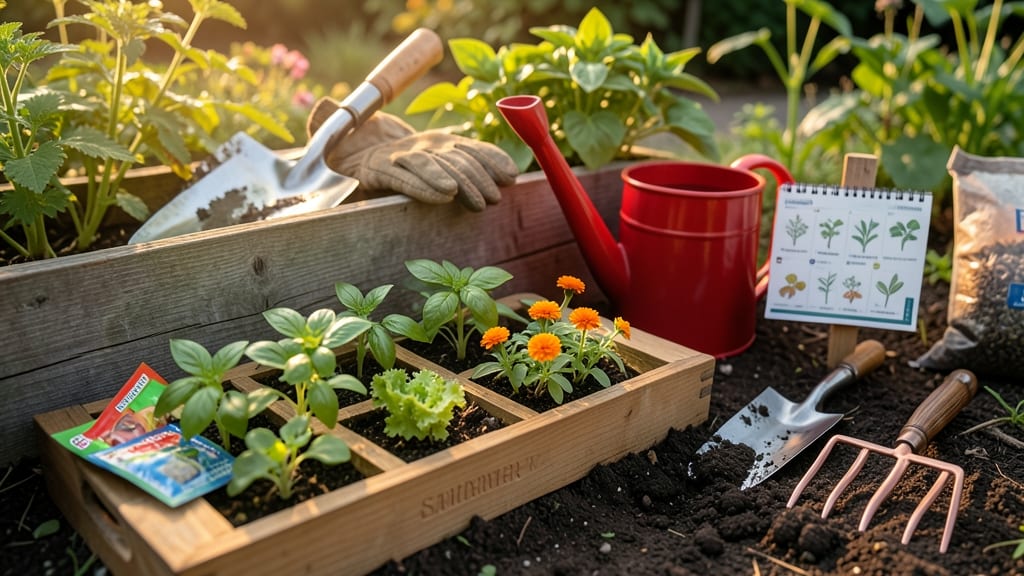
Planting a garden at the right time means the difference between a bountiful harvest and a season of disappointment — and your USDA zone is just the starting point.
Timing your garden planting by your USDA zone alone can mean the difference between a thriving harvest and a wasted season—especially when microclimates can shift your ideal window by weeks.
In Zone 6a, where spring arrives on April 15, cool-season crops like lettuce and peas need to go in 4-6 weeks before that date, while tomatoes and peppers wait until after the last frost.
But if your yard sits in a sheltered microclimate, you could safely plant 14 days earlier without risking frost damage.
Here’s how to pinpoint your exact planting window, adjust for local conditions, and avoid the three mistakes that derail even the most careful gardeners.
USDA zone planting calendar: exact dates for cool-season vs warm-season crops
Nailing your planting schedule by USDA zone prevents frost damage and maximizes yields—but without accounting for first/last frost dates, even the best zone-based plan fails.
For example, my Zone 6a garden has a last frost date around April 15, but my neighbor’s microclimate in Zone 6b gets frost-free by April 1. That 14-day difference means the difference between thriving peas and bolted lettuce.
Let’s break down the exact windows for cool-season crops (like kale and spinach) versus warm-season crops (like tomatoes and peppers) across zones 3-10.
First, calculate your frost-free days using your local National Weather Service data. Subtract 4-6 weeks for cool-season crops and 2-3 weeks after your last frost for warm-season crops.
For instance, in Zone 8b, where my sister gardens, she plants tomatoes after May 15—not April 1—because her last frost is March 15. This adjustment prevents chilly soil from stunting growth.
Below is your zone-by-zone planting calendar, including cool-season (spring/fall) and warm-season (summer) windows. Use these as a starting point, then tweak based on your microclimate (e.g., urban areas stay warmer, while valleys cool faster).
| USDA Zone | Cool-Season Start (Spring) | Warm-Season Start (After Last Frost) | Fall Planting Window | Key Adjustments |
|---|---|---|---|---|
| Zones 3-4 | Mid-April to May 15 | June 15 (soil 60°F+) | August 15-Sept 1 | Use row covers for early starts |
| Zones 5-6 | March 15-April 15 | May 1 (soil 55°F+) | July 15-August 15 | Wait for soil to warm to 50°F |
| Zones 7-8 | February 15-March 15 | March 15-April 1 | June 15-July 15 | Longer growing season—plant heat-lovers late |
| Zones 9-10 | January-February (winter crops) | February 15-March 1 | May-June (succession plant) | Watch for heat stress in summer |
For cool-season crops like broccoli, carrots, and spinach, plant 4-6 weeks before your last frost. In Zone 6a, that’s March 15-April 1 for me. These crops thrive in 50-65°F soil, so test with a soil thermometer.
If your soil is below 45°F, wait or use black plastic mulch to warm it faster.
Warm-season crops—think tomatoes, peppers, and beans—need soil temps above 60°F. In Zone 5b, I hold off until May 15, even if the air feels warm. Use a seedling heat mat ($15 on Amazon) to jumpstart germination if your zone is borderline.
Pro tip: Plant fast-maturing varieties (like ‘Early Girl’ tomatoes) to squeeze in a second crop before frost.
Fall planting follows the same logic but works backward. Start 6-8 weeks before your first frost. In Zone 7a, that’s August 15-September 1 for kale and radishes.
These hardy greens sweeten after frost, so don’t rush to harvest! Cover with frost blankets if temps dip below 25°F.
One mistake I made early on? Ignoring seed packet instructions.
Microclimate tweaks to plant 14 days earlier (or later) without risk
Your USDA zone gives you a starting point, but microclimates in your yard can shift planting windows by 2 weeks or more. A south-facing slope might warm up 3°F faster than your average yard, while a shady corner could delay spring planting by 7-10 days.
These local variations let you extend your growing season without risking frost damage or heat stress.
Start by mapping your yard’s sun exposure patterns for 6+ hours daily. Use a sunlight tracker app or place a whiteboard in different spots for a week to record light changes.
Next, check soil temperature—most seeds need 50-70°F soil to germinate, and urban heat islands can push temps 5-10°F higher than rural areas.
Use heat-tolerant varieties to push your limits. For example, ‘Heatmaster’ tomatoes thrive in 90°F+ temps, while ‘Black Seeded Simpson’ lettuce resists bolting in 75°F+. Pair these with mulch to stabilize soil temps—straw or wood chips can keep roots 5-10°F cooler in summer or warmer in spring.
Test your microclimate’s impact by planting fast-germinating seeds (like radishes) in multiple spots. Time how long they take to sprout—3-day differences confirm your adjustments. For fall planting, use row covers to extend harvests by 2-3 weeks in cooler microclimates.
Remember: Extreme microclimates (like greenhouse-effect urban lots) may need shade cloth for heat-sensitive plants. Always monitor leaf color—yellowing signals stress from too much heat, while purpling means cold stress. Adjust your planting timeline accordingly.