
Planting
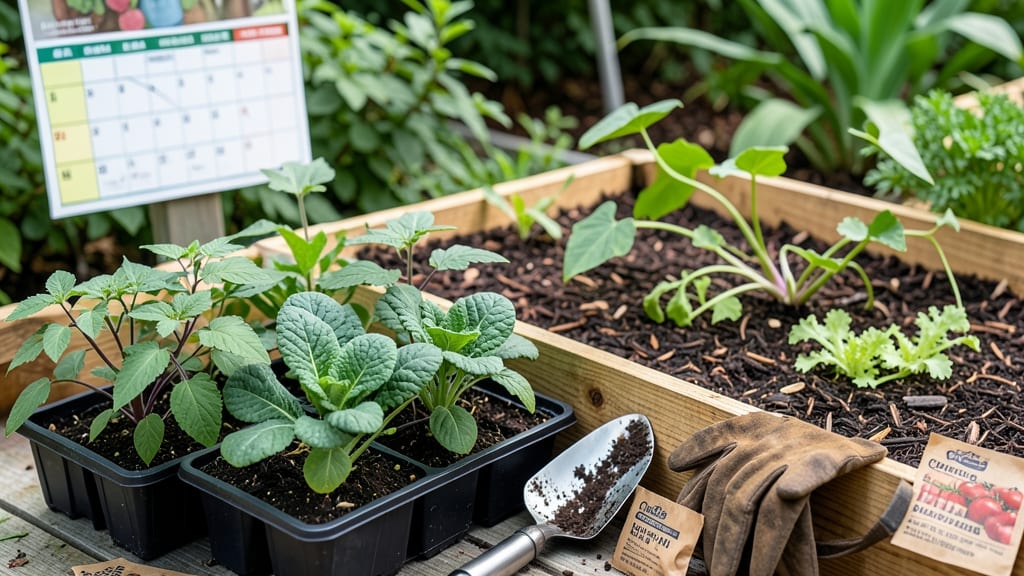
Planting your garden in Alabama at the right time means the difference between a bumper crop and a sad, wilted mess 🌱—and the best windows are late February through early April for cool-season crops and late July to early September for fall planting.
Alabama’s warm climate and diverse frost zones make gardening a year-round possibility—but timing is everything to avoid frost damage or wilting in the summer heat.
Whether you're a first-time gardener or a seasoned green thumb, knowing the perfect planting windows for Alabama will help you grow a thriving garden with minimal stress.
Cool-season crops like lettuce and broccoli thrive when planted 4-6 weeks before your last frost date, while warm-season favorites such as tomatoes and okra need soil temperatures of at least 60°F to take off.
In USDA zones 7a-8b, that means waiting until mid-March for most of the state—or even later in the cooler northern regions.
Below, I break down the exact planting schedule by season, regional tweaks for North vs. South Alabama, and the heat-tolerant crops that will keep your garden productive even when the mercury climbs. Let’s get those seeds in the ground at the right time!
Alabama planting zones & frost dates: when to start cool vs. warm-season crops
Alabama’s USDA Hardiness Zones 7a-8b create unique growing conditions across the state, with North Alabama (cooler) and South Alabama (warmer) experiencing different frost patterns. Understanding these zones helps determine when to plant cool-season crops like kale and warm-season crops like tomatoes to maximize yields and avoid frost damage.
The average last frost date in Alabama ranges from March 15 in North Alabama to April 15 in South Alabama, while the first frost typically arrives between mid-November and early December.
These dates are critical for planning your planting schedule, especially when using the 10-day rule to ensure safe planting after frost.
Here’s a quick reference for Alabama’s planting zones and frost dates, including regional variations and ideal planting windows for both cool and warm-season crops:
| Region | USDA Zone | Last Frost Date | Cool-Season Planting | Warm-Season Planting |
|---|---|---|---|---|
| North Alabama | 7a-7b | March 15 | Feb 15 - Mar 15 | April 15 - May 1 |
| Central Alabama | 7b-8a | March 30 | Feb 28 - Mar 30 | April 1 - April 15 |
| South Alabama | 8a-8b | April 15 | Mar 15 - Apr 1 | March 20 - April 1 |
For cool-season crops like kale, broccoli, and lettuce, plant 4-6 weeks before your last frost date to ensure they mature before summer heat sets in.
In North Alabama, this means starting seeds indoors in late January to early February, while South Alabama gardeners can begin planting outdoors as early as mid-February.
Warm-season crops such as tomatoes, peppers, and okra require soil temperatures of at least 60°F to thrive. Use the 10-day rule to plant these crops 10 days after your last frost date, giving tender seedlings time to establish roots before potential late frosts.
In North Alabama, this typically means waiting until mid-April, while South Alabama can start as early as late March.
Alabama’s humidity and heat can also impact planting success. Always monitor soil temperature with a thermometer, as warm-season crops may struggle in cooler soils. If planting early, consider using row covers or cold frames to protect young seedlings from unexpected late frosts, especially in North Alabama.
Another key strategy is succession planting, which involves staggering plantings every 2-3 weeks to ensure a continuous harvest. For example, plant bush beans every 10 days from April through July to enjoy fresh pods all summer long. This method works especially well for fast-growing crops like radishes and lettuce.
Don’t forget about fall planting for cool-season crops! Alabama’s first frost typically arrives in mid-November, so plant spinach, carrots, and cabbage in late July to early August for a fall harvest.
This gives these crops enough time to mature before winter sets in, even in the cooler zones of North Alabama.
To extend your growing season, consider using season extenders like hoop houses or cold frames. These tools can push your planting windows by 4-6 weeks, allowing you to grow cool-season crops well into spring or even warm-season crops like peppers into early fall.
Just be sure to remove these covers during the day to prevent overheating.
Finally, keep an eye on Alabama’s microclimates. Urban areas, for example, can be 5-10°F warmer than rural regions, which may allow for earlier planting. Always adjust your schedule based on your specific location and past frost experiences. With the right timing, you can enjoy a year-round garden in Alabama!
Heat-tolerant vegetables that thrive in Alabama’s summer: best late-season planting options
Alabama’s summer heat can turn a garden into a wilting nightmare, but some heat-tolerant vegetables and herbs thrive when temperatures soar. If you’ve ever struggled with bolt-resistant lettuce or blossom-end rot in tomatoes, you’ll love these late-season champions.
Planting in April–May or even June–July can extend your harvest well into fall—with minimal fuss. The key? Choosing varieties bred for high humidity and intense sunlight, plus a few smart care tricks.
My top picks include sweet potatoes, which love Alabama’s heat and clay soil, and black-eyed peas, a Southern staple that handles drought like a pro. Even Malabar spinach (not true spinach!) stays lush when regular greens bolt.
For herbs, basil and cilantro can be finicky, but with the right timing, they’ll reward you with bold flavors all season long. The secret? Avoid overwatering and mulch heavily to keep roots cool. Let’s dive into the best late-season crops and how to grow them without the summer stress.
- 🌱 Sweet Potatoes: Plant slips in April–May; harvest in 90–120 days. Thrives in full sun and poor soil.
- 🌿 Black-Eyed Peas: Sow seeds in April–June; ready in 50–60 days. Drought-tolerant and nitrogen-fixing.
- 🍃 Malabar Spinach: Plant in May–July; harvest in 60–80 days. Loves humidity and partial shade.
- 🌿 Okra: Direct-sow in June–July; harvest in 50–65 days. Needs full sun and well-draining soil.
- 🌿 Basil: Start seeds in April–May indoors; transplant after last frost. Pinch flowers to prevent bolting.
- 🌿 Cilantro: Sow in late summer (Aug–Sept) for cooler fall temps. Harvest leaves before bolting.
- 🌶️ Peppers: Transplant in May–June; harvest in 70–90 days. Use mulch to retain moisture.
- 🥔 Eggplant: Plant in May–June; harvest in 70–85 days. Needs rich soil and staking.
One of the biggest mistakes I see is planting cool-season crops too late, like lettuce in June. They’ll bolt faster than you can say “summer squash.” Instead, focus on heat-loving varieties that won’t wilt under Alabama’s 90°F+ afternoons.
For example, okra and peppers actually sweeten in the heat—perfect for late-summer harvests. If you’re worried about blossom-end rot in tomatoes, add calcium-rich compost and keep soil moisture consistent.
Extending your growing season is easier than you think. Try shade cloth for delicate herbs like cilantro or use drip irrigation to water roots directly, not leaves. For sweet potatoes, hill soil around the vines as they grow to encourage more tubers.
And if you’re planting in July or August, opt for fast-maturing varieties like bush beans or zucchini to beat the first frost. The goal? A continuous harvest from spring through fall.
Don’t forget about herbs—they’re the unsung heroes of summer gardens. Basil grows like a weed in heat but bolts quickly, so pinch off flowers regularly. Cilantro, on the other hand, hates heat and will go to seed fast.
My trick? Plant it in late summer for a fall crop when temps drop. For rosemary and thyme, let them dry out slightly between waterings—they’re drought-resistant and thrive in Alabama’s clay soil.
Finally, mulch is your best friend in summer. A thick layer of straw or wood chips keeps roots cool, retains moisture, and suppresses weeds. For container gardens, use self-watering pots and choose heat-tolerant varieties like peppers or eggplant.
With these tips, you’ll turn Alabama’s brutal summers into a bountiful harvest season—no wilting in sight! 🌱