
Planting
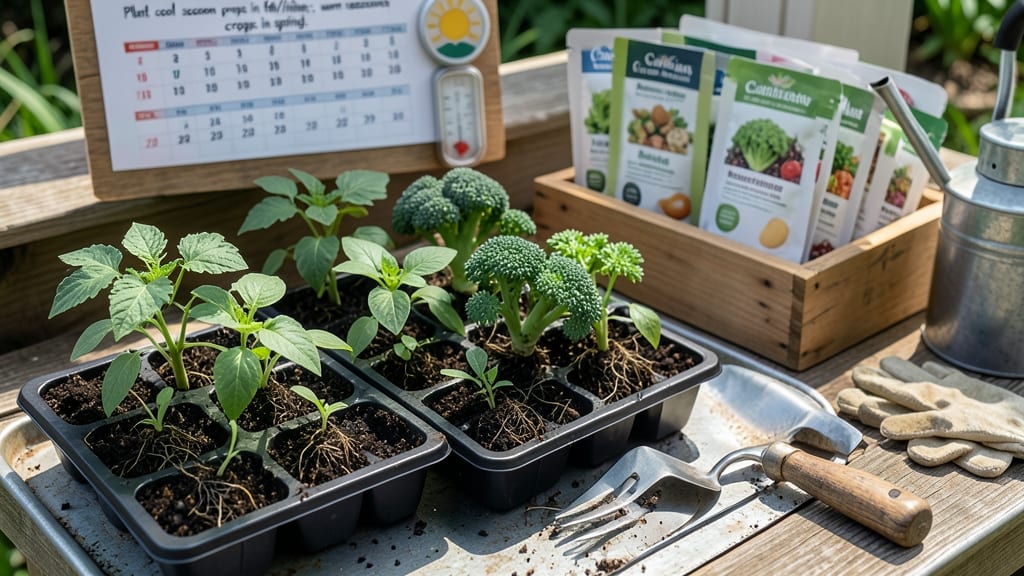
To plant a vegetable garden in California at the right time means timing it with your microclimate—coastal fog, desert heat, or Central Valley warmth—each with its own frost-free window.
Picture this: you’ve prepped your soil, bought the seeds, and then—three weeks in—your lettuce bolts or your tomatoes wilt under unexpected heat. That’s why knowing your last frost date (or lack of one in Southern California) is the key to avoiding wasted effort.
Whether you’re in San Francisco’s chilly coastal zone or Palm Springs’ year-round growing season, the calendar shifts dramatically.
This guide breaks down exactly when to start planting cool-season crops like broccoli (as early as January in inland areas) and warm-season staples like peppers (after April 15 in coastal regions).
We’ll also cover how to stretch your harvest with succession planting, so you’re not left with empty beds by summer.
Ready to maximize your 🥬 harvest? Let’s dive into the month-by-month schedule that works for your corner of California—no more guesswork, just bountiful yields.
California planting zones: coastal vs inland timing for vegetable success
California’s microclimates create unique challenges for gardeners. The coastal fog belt in San Francisco stays mild year-round, while the Central Valley can swing from freezing winters to 100°F summers.
Even desert regions like Palm Springs have their own planting rhythms. Understanding these zones helps you avoid bolted lettuce or heat-stressed tomatoes by planting at the right time.
Most California gardeners rely on USDA Plant Hardiness Zones, but local frost dates matter more. Coastal areas like San Francisco (Zone 9b-10a) rarely see frost, while inland cities like Sacramento (Zone 9a) average their last frost around January 15.
Southern deserts like Palm Springs (Zone 10a-11) have no frost risk, but extreme heat limits summer planting.
Your planting strategy depends on whether you grow cool-season crops (like broccoli and peas) or warm-season crops (like tomatoes and peppers). Coastal gardeners can plant warm-season crops in early spring or fall, while inland gardeners must wait until after May 1 to avoid heat stress.
Let’s break down the key differences by region.
| Region | Last Frost Date | Best Time for Cool-Season Crops | Best Time for Warm-Season Crops | Heat-Tolerant Varieties |
|---|---|---|---|---|
| Coastal (SF, Monterey) | None (Zone 9b-10a) | Fall (Sept-Oct) & Spring (Feb-Mar) | Early Spring (Feb) or Fall (Sept) | Cherry Tomatoes, Bush Beans, Okra |
| Central Valley (Sacramento, Fresno) | Jan 15 | Fall (Sept) & Early Spring (Feb) | After May 1 (soil >60°F) | Peppers, Eggplant, Malabar Spinach |
| Desert (Palm Springs, Coachella) | None (Zone 10a-11) | Winter (Nov-Jan) | Fall (Sept-Oct) or Spring (Mar-Apr) | Sweet Potatoes, Black-Eyed Peas, Amaranth |
In coastal California, you can plant warm-season vegetables like tomatoes and peppers as early as February because the ocean breeze moderates temperatures. However, inland areas like the Central Valley require waiting until soil temperatures reach 60°F (usually after May 1) to avoid stunted growth.
Use a soil thermometer to check—most garden centers sell them for under $20.
For cool-season crops, coastal gardeners have a longer window. You can plant leafy greens like kale or spinach in fall (September-October) and still harvest before summer heat arrives.
Inland gardeners should focus on early fall (August-September) or late winter (February) to avoid frost damage. Broccoli and cauliflower thrive in these cooler months but bolt quickly if temperatures rise above 75°F.
If you live in Southern California deserts, your strategy shifts entirely. Winter (November-January) is prime time for cool-season crops, while fall (September-October) or spring (March-April) works best for warm-season plants. Avoid planting in peak summer (June-August)—even heat-tolerant varieties like okra or sweet potatoes struggle when temperatures exceed 95°F.
Pro tip: Use shade cloth in inland areas during summer to protect young plants. A 30-50% shade cloth can reduce soil temperatures by 10-15°F, giving seedlings a fighting chance.
Pair this with drip irrigation to keep roots cool and moisture consistent. Coastal gardeners, on the other hand, should embrace season extension techniques like cold frames for fall/winter harvests.
One common mistake is planting warm-season crops too early in inland zones. For example, tomatoes planted in April in Sacramento may suffer from blossom drop due to temperature fluctuations.
Instead, wait until late May when nights stay above 55°F. Coastal gardeners can start tomato seedlings indoors in February and transplant outdoors by March 1.
To track your local frost dates, check the Western Regional Climate Center’s frost maps or use the USDA Plant Hardiness Zone Map. For real-time updates, many California counties offer agricultural extension service alerts.
Armed with this data, you’ll know exactly when to direct-sow seeds or transplant seedlings for maximum yield.
Remember, succession planting is key in California’s varied climate. By staggering plantings every 2-3 weeks
Best vegetables to plant by month in California (coastal vs inland)
California’s microclimates create unique challenges and opportunities for gardeners. Coastal areas like San Francisco enjoy mild winters and cool summers, while inland regions such as the Central Valley experience hotter summers and colder winters.
Timing your vegetable plantings correctly ensures healthy growth and bountiful harvests. Below, I’ll break down the best month-by-month planting schedule for both regions, focusing on heat-tolerant and cool-season crops.
For coastal gardeners, focus on early spring and fall plantings to avoid summer heat stress. Inland gardeners should prioritize spring and late summer plantings to escape extreme temperatures. Let’s dive into the specifics, starting with the most critical months for each region.
Plant: Broccoli, Cauliflower, Peas, Spinach, Kale
Note: Cool, damp conditions are perfect for leafy greens and cool-season brassicas. Use row covers if frost threatens.
Plant: Onions, Lettuce, Carrots, Radishes, Green Beans
Note: Start warm-season prep by planting fast-growing crops. Inland areas can transplant tomatoes and peppers after last frost (typically late March).
Plant: Tomatoes, Peppers, Cucumbers, Squash, Basil
Note: Coastal summers are mild, making this ideal for heat-loving crops. Use shade cloth if temps exceed 80°F to prevent bolting in greens.
Plant: Okra, Sweet Potatoes, Black-Eyed Peas, Malabar Spinach
Note: Inland summers are brutal. Opt for drought-tolerant crops and use mulch to retain moisture. Avoid transplanting tomatoes or peppers unless you have shade.
Plant: Kale, Brussels Sprouts, Beets, Turnips, Lettuce
Note: Fall planting is a gardener’s secret weapon. Soil is warm from summer, but nights cool down—perfect for cool-season crops. Direct-sow seeds for fastest results.
Plant: Winter Radishes, Arugula, Cilantro, Garlic
Note: Coastal gardeners can enjoy year-round harvests. Plant garlic in December for a summer harvest. Inland areas should focus on soil prep and cover crops like clover.
For coastal gardeners, the key is to stagger plantings every 2-3 weeks to ensure a continuous harvest.
For example, sow lettuce in January, again in March, and once more in September to enjoy fresh greens year-round. Succession planting works wonders for radishes, bush beans, and carrots, ensuring you always have something fresh to pick.
Inland gardeners should leverage summer shade to protect tomatoes and peppers from wilting. I’ve had great success using 30% shade cloth during the hottest afternoons, which keeps plants productive without stunting growth. Additionally, drip irrigation is a game-changer in inland areas, delivering water directly to roots and reducing evaporation.
Remember, soil temperature is just as critical as air temperature. Use a soil thermometer to ensure seeds are planted when the soil is