
Planting
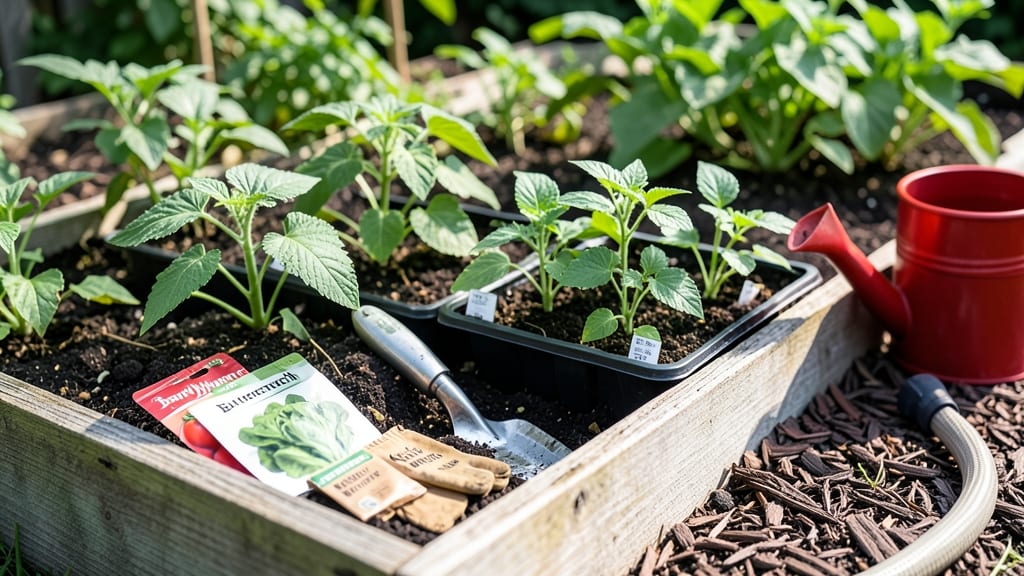
Planting a vegetable garden in Iowa at the right time means the difference between a bountiful harvest and a sad pile of frost-nipped seedlings.
Iowa’s unpredictable spring weather can leave even experienced gardeners guessing—plant too early, and frost will wipe out your hard work; too late, and you’ll miss peak harvest seasons. Timing is everything, and knowing the exact last-frost dates for each crop type is your secret weapon for a thriving garden.
Cool-season vegetables like peas and spinach can handle a light frost, while warm-season crops like tomatoes and peppers need the soil to be warm before they go in. Missing the window by even a week can set you back months.
In this guide, I’ll break down Iowa’s frost zones, share a month-by-month planting calendar, and reveal pro tips to extend your growing season—so you can enjoy fresh veggies from your garden all summer long.
Iowa’s last-frost dates by region: when to plant cool-season vs. warm-season crops
Iowa’s last-frost dates vary dramatically by region—from mid-April in southern Iowa to late May in the north. These dates determine whether your cool-season crops like spinach or warm-season favorites like tomatoes will thrive.
According to the 2023–2024 Iowa State Climate Summary, northern regions saw 3–5 days later last frosts compared to previous averages, while southern Iowa experienced earlier-than-expected warming trends.
Understanding these patterns helps you avoid frost damage to tender seedlings or missed harvest windows. For example, planting lettuce or peas too late means they’ll bolt before you enjoy fresh greens, while tomatoes or peppers planted too early will wilt under unpredictable spring chills.
Let’s break down the regional last-frost dates and how they impact your planting schedule.
Northern Iowa (USDA Zones 4a–4b): Expect your last-frost date between May 5–15. This region’s shorter growing season means you’ll need to focus on fast-maturing varieties of warm-season crops like bush beans or zucchini. Cool-season crops like kale or carrots can be planted as early as late March under row covers for extended harvests.
Central Iowa (USDA Zones 5a–5b): The average last-frost date falls around April 20–May 5. This is the sweet spot for transplanting tomatoes and peppers after the soil warms to 60°F. Direct-sow cool-season crops like radishes or spinach in early April for a spring harvest, then replant in late August for a fall crop.
Southern Iowa (USDA Zones 5b–6a): Your last-frost date typically arrives by April 15, giving you the longest growing season in the state. Here, you can start warm-season crops like cucumbers or eggplants as early as mid-April, but always wait until nighttime temperatures stay above 50°F to avoid stunted growth.
| Iowa Region | Avg. Last Frost | Cool-Season Crops (Plant) | Warm-Season Crops (Plant) | Key Tip |
|---|---|---|---|---|
| Northern Iowa | May 5–15 | Late March–April 15 (under cover) | May 15–June 1 (after frost) | Use fast-maturing varieties for warm crops. |
| Central Iowa | April 20–May 5 | Early April (direct sow) or March (under cover) | April 25–May 10 (soil 60°F+) | Wait for consistent 50°F nights for tomatoes. |
| Southern Iowa | April 15 | March 15–April 1 (direct sow) | Mid-April (soil 55°F+) | Extend season with row covers for fall crops. |
| 🌱 All Regions: Monitor local frost alerts and adjust 1–2 weeks early/late as needed. | ||||
For cool-season crops, timing is about avoiding bolting or bitter flavors.
Spinach and lettuce, for example, should be planted 4–6 weeks before your last frost for a spring harvest and again 70–80 days before your first frost (typically September 15–October 15) for fall. Peas and radishes are more frost-tolerant, so you can sow them as early as March in southern Iowa or April in the north.
Warm-season crops like tomatoes, peppers, and cucumbers need consistent warmth to thrive. In northern Iowa, wait until after May 15 to transplant seedlings, while southern Iowa gardeners can start as early as mid-April. Always harden off seedlings for 7–10 days before transplanting to reduce shock from temperature swings.
Pro tip: Use frost-sensitive varieties like ‘Early Girl’ tomatoes or ‘Sweet 100’ peppers in northern Iowa, as they mature faster. In southern Iowa, you can experiment with
Best planting calendar for Iowa vegetables: month-by-month guide by crop type
Mastering the month-by-month planting schedule for Iowa’s variable climate ensures your vegetable garden thrives. Whether you’re growing cool-season greens like spinach or heat-loving tomatoes, timing directly impacts yield and flavor.
I’ll break down the best planting windows for Iowa’s most popular crops, including when to direct sow seeds versus transplanting seedlings for maximum success.
Iowa’s average last-frost dates range from April 15 in southern regions to May 15 in northern areas, but microclimates can shift these by weeks. Use these guidelines as a starting point, then adjust based on your local frost history.
For succession planting, I’ll highlight which crops benefit from staggered sowings to keep harvests rolling all summer long.
For cool-season crops like peas and spinach, start sowing seeds as early as March in southern Iowa or April in northern regions. These hardy vegetables tolerate light frosts and even thrive in 50°F soil temperatures.
Use succession planting by sowing every 2 weeks until early May to ensure a steady supply of fresh greens before bolting.
Warm-season crops such as tomatoes and peppers demand patience—wait until the soil reaches 60°F and all frost danger has passed (typically mid-May). Transplant seedlings indoors or use row covers to jumpstart growth if your season feels late.
For beans and corn, direct sow after the last frost, aiming for May 1–June 1 to align with Iowa’s warmest months.
Don’t overlook summer squash and cucumbers, which flourish in Iowa’s heat but need consistent moisture. Plant these after May 15 and consider succession sowing every 2 weeks to prevent overwhelming vines. Mulch heavily to retain soil moisture and deter pests like squash bugs, which thrive in Iowa’s humid summers.
Extend your harvest season by planting fall crops like kale and radishes in August. These tolerate cooler temperatures and can be harvested well into October or November, depending on your region. Always check your local frost-free date (typically October 15–November 1) to time fall plantings perfectly.
Pro tip: Keep a gardening journal to track your local frost dates and adjust planting windows yearly. Iowa’s climate shifts—what worked last year might not this season! With this month-by-month guide, you’ll maximize your garden’s potential and enjoy homegrown veggies from spring to fall.