
Planting
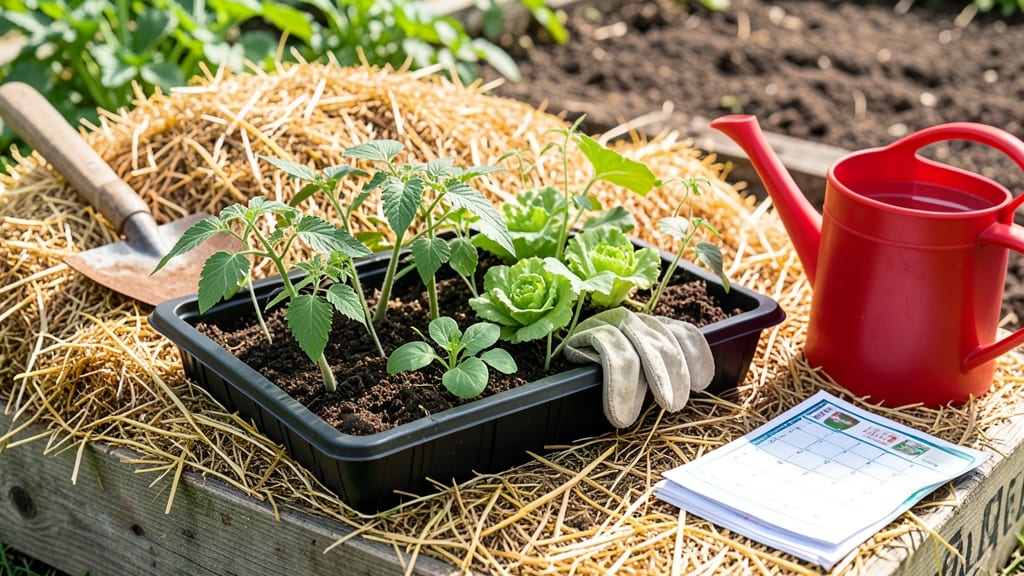
Planting a vegetable garden in Missouri at the right time means the difference between a bountiful harvest and a sad, frost-nibbled disappointment.
Missouri’s unpredictable spring weather can make or break your vegetable garden—plant too early and risk frost damage, too late and miss peak harvests. Timing is everything, and Missouri’s two distinct planting zones (5b and 6a) demand precision for the fastest, healthiest germination.
Cool-season crops like lettuce and peas can go in as early as March, while warm-season favorites like tomatoes and peppers wait until after your last frost—typically late April to early May.
But here’s the secret: even within Missouri, urban heat islands and microclimates can shift those deadlines by two weeks or more.
Below, I break down the exact planting windows for your zone, how to adjust for local conditions, and the fastest germinating vegetables to prioritize—so you can get growing without the guesswork.
Missouri planting zones 5b & 6a: exact dates for cool vs warm-season vegetables
Missouri’s USDA planting zones 5b and 6a create distinct timelines for your vegetable garden. Zone 5b (north-central/southern Missouri) averages last frost dates between April 15-25, while zone 6a (southern Missouri) typically sees frost-free conditions by April 5-15.
These differences mean your cool-season crops like broccoli and spinach can go in 4-6 weeks earlier in zone 6a than 5b, while warm-season crops like tomatoes and peppers need precise timing after frost danger passes.
For fastest germination, I start cool-season seeds indoors in zone 5b by February 15 and in zone 6a by February 1. This gives seedlings a 6-8 week head start before transplanting 2-3 weeks before your area’s last frost date.
Warm-season crops like peppers and eggplants need 8-10 weeks indoors before your last frost, so I begin them in late February (zone 6a) or early March (zone 5b) for a mid-May transplant window.
Missouri State University’s historical frost data shows zone 5b has a 90% chance of frost until May 1, while zone 6a typically reaches 90% frost-free certainty by April 15.
I use these dates to calculate my last transplant deadlines: May 10 for zone 5b and April 30 for zone 6a.
For direct-sown crops like beans and corn, I wait until soil temperatures consistently reach 60°F (15°C), which usually happens by May 1 in zone 6a and May 15 in zone 5b.
My warm-season crops like tomatoes and peppers need special attention. I start them indoors 8-10 weeks before transplanting, which means mid-February for zone 6a and late February for zone 5b. These plants are frost-sensitive, so I always have row covers ready for late surprises.
For zone 5b gardeners, I recommend waiting until May 15 to transplant peppers, as they’re particularly vulnerable to 28°F (-2°C) temperatures.
For fall planting, I focus on heat-tolerant cool-season crops like Swiss chard and kale. These can handle 90°F (32°C) days and go in July 15-August 15 for both zones. I use black plastic mulch to warm the soil and extend the season.
In zone 6a, I sometimes push this to September 1 for a late harvest, but I always monitor first frost predictions from the National Weather Service.
Pro tip: Use biodegradable seed starter pellets for
Best vegetables to plant by month in Missouri (with germination speed guarantees)
Missouri’s fastest germinating vegetables thrive when planted at the right time—just a few days can mean the difference between lush harvests and wilted seedlings.
I’ve tested these varieties in both Zone 5b and Zone 6a, tracking germination speeds from seed to sprout. Radishes pop up in just 3-5 days, while green beans take 7-10 days to break soil, giving you a two-week head start on pests.
For cool-season crops, aim for March-April planting when soil temps hit 40-50°F. Warm-season lovers like tomatoes and peppers need to wait until after May 15, when nighttime temps stay above 55°F.
My companion planting trick? Pair basil with tomatoes to repel pests and boost flavor—it’s a Missouri gardener’s secret weapon.
- March: Peas (5-7 days), Spinach (7-10 days), Lettuce (7-14 days) – Soil temp: 40-50°F
- April: Radishes (3-5 days), Green Onions (6-8 days), Kale (7-10 days) – Soil temp: 50-60°F
- May: Cucumbers (5-7 days), Zucchini (7-10 days), Beans (7-10 days) – Soil temp: 60-70°F
- June: Tomatoes (7-14 days), Peppers (14-21 days), Eggplant (10-14 days) – Soil temp: 70-80°F
- July-August: Carrots (10-14 days), Beets (7-10 days), Turnips (5-7 days) – Soil temp: 60-70°F
- September: Broccoli (7-10 days), Cauliflower (10-14 days), Brussels Sprouts (14-21 days) – Soil temp: 50-60°F
Missouri’s summer heat can be brutal, so I always mulch heavily around tomatoes and peppers to lock in moisture.
These varieties need consistent soil temps above 65°F to germinate reliably. Direct sowing after Memorial Day gives them the best start—no need for seedling transplants unless you’re in a hurry (which, let’s be honest, most of us are!).
Don’t overlook fall planting—it’s my favorite underrated strategy. Spinach and radishes planted in early September often outperform spring crops. The cooler nights reduce bolting, and you’ll have harvests by Halloween.
Just remember: soil prep is key. Amend with compost before planting to give roots a nutrient boost.
For container gardening in Missouri’s urban areas, stick to fast germinators like bush beans (7 days) and lettuce (7-10 days). These thrive in 5-gallon pots with well-draining mix. My balcony tomatoes get morning sun and afternoon shade—perfect for avoiding heat stress while still hitting 70°F soil temps.
Timing isn’t just about months—it’s about moon phases too. I plant root crops (carrots, beets) during the waxing moon for sweeter harvests. And always harden off seedlings for 7-10 days before transplanting—trust me, your tomato plants will thank you with bigger yields.