
Planting
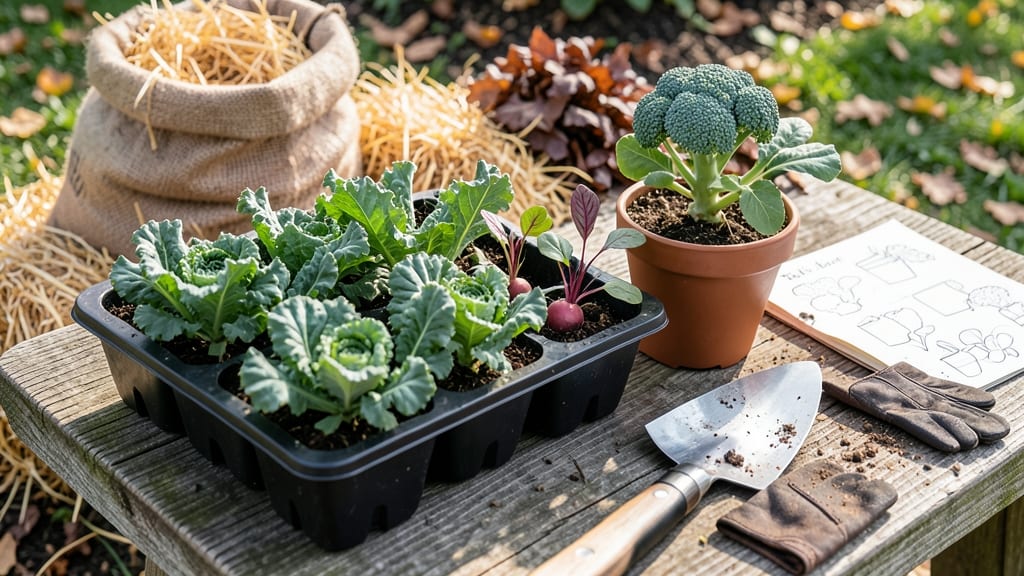
Planting a fall garden in Missouri between mid-August and mid-September sets you up for a harvest just before the first frost 🌽—but timing is everything.
Picture this: You’ve cleared the summer garden, and the air smells like crisp mornings. But if you wait too long, your kale might bolt or your carrots stay stunted. The key is knowing when to start seeds indoors, when to transplant, and how your USDA Zone (5b-6b) affects your schedule.
Missouri’s fall planting window is short but sweet, and the right crops—like spinach, radishes, and broccoli—thrive when planted at the perfect moment. Too early, and they’ll stretch toward winter; too late, and they won’t mature before the ground freezes.
In this guide, I’ll break down the exact dates for your region, the best crops for a fall harvest, and how to adjust for St. Louis vs. Kansas City. No more guessing—just a foolproof schedule to keep your garden productive until November.
Missouri fall planting calendar: exact dates by crop type
Missouri’s fall frost dates create a perfect window for cool-season crops, but getting the timing right means the difference between a bountiful harvest and wasted seeds.
In USDA Zones 5b-6b, most gardeners face their first frost between October 15-30, with northern Missouri (like St. Louis) frosting earlier than southern areas (like Springfield).
To maximize your fall garden, start planting 4-6 weeks before your expected frost date. For northern Missouri, this means mid-August to early September, while southern regions can extend planting until mid-September. The key is matching each crop’s maturity timeline with your local frost window.
🌱
| Crop Type | Planting Window (Northern MO) | Planting Window (Southern MO) | Days to Maturity | Sun Needs |
|---|---|---|---|---|
| Leafy Greens (Spinach, Kale, Lettuce) | Mid-August to early September | Late August to mid-September | 30-50 days | Full sun to partial shade |
| Root Vegetables (Carrots, Radishes, Beets) | Late July to early September | Early August to late September | 40-70 days | Full sun |
| Herbs (Cilantro, Parsley, Dill) | Mid-August to early September | Late August to mid-September | 30-60 days | Partial shade to full sun |
| Flowers (Pansies, Snapdragons, Calendula) | Early August to mid-September | Late July to late September | 45-60 days | Full sun to partial shade |
| Brassicas (Broccoli, Cabbage, Brussels Sprouts) | Late July to early August | Early August to mid-August | 60-90 days | Full sun |
For leafy greens like spinach and kale, aim to plant them 6-8 weeks before your first frost. These fast growers thrive in cooler weather and can even survive light frosts, making them ideal for late-season harvests. In northern Missouri, this means mid-August plantings for a late October harvest.
If you’re growing root vegetables like carrots or beets, start them earlier—late July to early August in northern areas—to ensure they mature before winter sets in. These crops need consistent soil moisture and well-draining soil to prevent forking or cracking.
🌿
Herbs like cilantro and parsley are perfect for fall planting because they prefer cooler temperatures and bolt less quickly than in summer. Sow them mid-August to early September in northern Missouri or late August to mid-September in southern regions.
These herbs can handle light frosts, so you can often harvest them well into November.
For flowers like pansies and snapdragons, which add color to your fall garden, plant them early August to mid-September. These cool-season favorites bloom beautifully in 50-60°F temperatures and can even survive light frosts, making them a great choice for extending your garden’s season.
Brassicas like broccoli and cabbage are slower growers, so they need an earlier start—late July to early August in northern Missouri. These crops require rich, well-amended soil and regular watering to prevent bitterness. If planted too late, they may not mature before frost, so don’t wait until September!
Pro tip: Use row covers or cold frames to extend your harvest window for crops like spinach and kale. These tools can push back frost damage by 2-4 weeks, giving you extra time to enjoy fresh greens from your garden.
✂️
How to adjust planting dates for Missouri’s microclimates
Missouri’s diverse geography means your fall planting dates can vary dramatically between St. Louis, Kansas City, and rural areas. Urban heat islands in cities like St. Louis can delay frost by 2-3 weeks, while rural zones like Springfield often experience earlier freezes.
To succeed, I’ve broken down how to adjust your schedule based on local conditions, soil temperatures, and even container gardening hacks for shorter seasons.
Start by checking your last frost date—not just the average, but the historical 10-year trend for your specific ZIP code. For example, St. Louis typically sees its first frost around October 20th, while northern Missouri can hit October 5th.
Use the Missouri Botanical Garden’s frost calculator (link in resources) to input your exact location for precise data.
🌱 Missouri Microclimate Planting Adjustments
- 1. St. Louis (Zone 6a): Plant cool-season crops like kale and spinach by September 1st—delay by 2 weeks if your microclimate runs hotter (e.g., near Lambert Airport).
- 2. Kansas City (Zone 5b-6a): Shift carrots and radishes to August 15th for faster harvests before October 10th frost. Use row covers to extend season by 3 weeks.
- 3. Rural Areas (Zone 5a): Prioritize fast-maturing crops like bush beans (45 days) planted by July 30th. For Brussels sprouts (90+ days), start seeds indoors in June.
- 4. Soil Temperature Rule: Wait until soil reaches 50°F (10°C) at 6 inches deep—use a soil thermometer ($10 at garden centers). Cold soil delays germination by 50%.
- 5. Container Gardening Hack: Extend seasons by 4-6 weeks using black plastic pots (absorbs heat) or insulated grow bags. Ideal for herbs like cilantro (plant September 15th in containers).
- 6. Frost-Free Date Math: Calculate your safe planting window by subtracting crop days to maturity from your frost date. Example: Lettuce (30 days) + 14-day buffer = Plant by September 26th (St. Louis).
For container gardeners, microclimates become even more critical. Urban balconies in St. Louis can trap heat, allowing you to plant basil or Swiss chard until September 15th, while rural areas may need to start 6 weeks earlier.
Use thermometers in multiple pots—temperatures can vary by 10°F between north- and south-facing containers.
Don’t overlook succession planting to stretch your season. In Kansas City, for instance, sow radishes every 2 weeks from August 1st to September 15th for continuous harvests. This works especially well for fast growers like arugula (28 days) and turnips (30 days).
Pro tip: Mark your calendar for September 21st—the autumn equinox signals shorter days. After this date, prioritize cold-hardy crops like garlic and overwintering onions, which can handle light frosts. For everything else, race to harvest before October 15th in most zones.
Missouri’s microclimates reward precise planning, but even a 2-week adjustment can mean the difference between a bountiful fall harvest and a frost-killed garden. Start with your local USDA zone, then tweak based on these strategies—and don’t forget to mulch heavily after planting to insulate roots.