
Planting
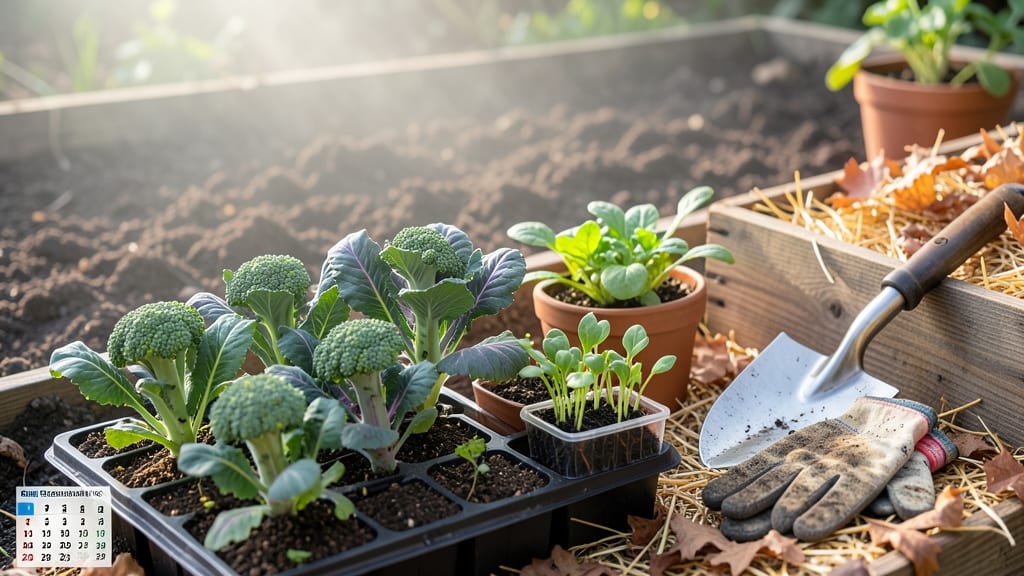
To plant a vegetable garden in NJ at the right time means catching that narrow window between frost and heat — mid-March to mid-June for spring and late July to early September for fall — or risk stunted plants or wasted seeds.
New Jersey’s unpredictable spring weather can turn your vegetable garden dreams into a gamble—unless you plant at the perfect time. Missing the frost-free window by even a week could mean stunted crops or wasted seeds, but timing it right guarantees a bountiful harvest 🥬.
In zones 6a-7b, the last frost typically hits around mid-April, but coastal areas can be weeks earlier. Cool-season crops like lettuce and peas need to go in 4-6 weeks before that date, while tomatoes and peppers wait until 2-3 weeks after the frost has passed.
Below, I break down the exact frost dates by region, a month-by-month planting schedule, and 5 proven tricks to extend your growing season—so you can harvest longer without guessing.
NJ frost dates & hardiness zones: the exact timeline for planting vegetables by season
New Jersey spans USDA Hardiness Zones 6a-7a, meaning our frost dates can vary dramatically between northern and southern regions. Northern NJ (Zone 6a) typically sees its last spring frost around April 15, while Southern NJ (Zone 7a) often warms up by April 1.
These dates dictate when to plant cool-season crops like broccoli and warm-season crops like tomatoes.
Understanding these frost dates is critical because planting too early risks frost damage to tender seedlings, while waiting too long can shorten your harvest window. First fall frosts usually arrive between October 15 (north) and November 1 (south), signaling the end of outdoor growing for most vegetables.
Here’s how I use these frost dates to plan my vegetable garden: Cool-season crops like spinach and peas go in 4-6 weeks before the last frost, while warm-season crops like peppers and eggplants wait until 2-3 weeks after. This timing ensures healthy growth and maximum yields.
The summary-table below breaks down these critical dates by crop type, so you can align your planting schedule with NJ’s climate patterns. For real-time updates, check the Old Farmer’s Almanac NJ Frost Date Map—it’s my go-to for local adjustments.
For example, in Zone 6a (northern NJ), I start spinach seeds indoors in March to transplant outdoors by April 15, just as the frost risk subsides. Meanwhile, in Zone 7a (southern NJ), I can plant tomato seedlings as early as April 1 without worrying about frost.
Pro tip: Use row covers or cold frames to extend your planting window by 2-4 weeks in both spring and fall. I’ve added 30 extra frost-free days to my season using these simple tools, which is a game-changer for late harvests.
If you’re new to NJ gardening, here’s my top mistake to avoid: Planting warm-season crops like peppers too early. Even if the soil feels warm, a late frost can kill your seedlings. Always check the 10-day forecast before planting tender crops.
For a visual guide, bookmark the PlantMaps interactive frost chart. It lets you hover over your NJ zip code to see exact frost probabilities—perfect for fine-tuning your planting dates.
Remember, soil temperature matters more than air temperature
Best vegetables to plant in NJ by month: a month-by-month planting schedule
New Jersey’s 6a-7b hardiness zones mean we can grow almost anything—but only if we time it right. Cool-season crops like spinach and peas thrive in early spring, while warm-season favorites like tomatoes and peppers need to wait until after the last frost.
The key? Start with cold-hardy varieties in March and transition to heat-lovers by June. Let’s break it down month by month.
March is all about preparation. While the ground may still be frozen, you can start indoor seedlings for tomatoes, peppers, and eggplants. Hardy greens like kale and spinach can go directly into the soil if temperatures stay below 32°F.
Cover young plants with frost cloth to protect them from late freezes. This is also the time to test your soil pH and amend it if needed.
June is peak planting season for warm-season vegetables. Tomatoes, peppers, and cucumbers thrive in the warmth but need consistent moisture. Succession planting is key—sow quick-growing crops like lettuce and radishes every 2-3 weeks to ensure a steady harvest.
Keep an eye out for common pests like aphids and tomato hornworms, and address them early to avoid crop loss.
As summer winds down, shift your focus to fall planting. Late July and August are ideal for cool-season crops like kale, broccoli, and carrots. These varieties can handle cooler temperatures and even light frosts.
Use row covers or cold frames to extend the season and protect tender greens from early frosts. This is also the time to harvest late-season tomatoes and peppers before the first frost hits.
Don’t let your garden go to waste in the off-season! October is perfect for planting garlic and onions, which need a period of cold to develop properly. Cover hardy greens like spinach and arugula with frost cloth to keep them producing until winter.
Clean up your garden beds by removing debris and adding compost or aged manure to enrich the soil for next year’s planting.
With this month-by-month schedule, you’ll maximize your NJ garden’s potential and enjoy fresh produce from spring to fall. Happy planting! 🌱