
Planting
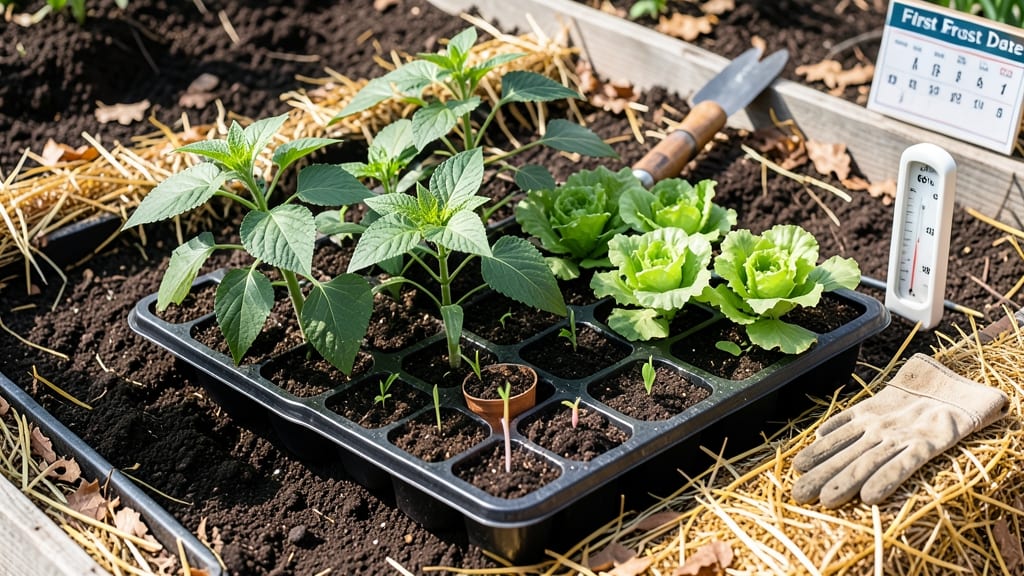
To plant a vegetable garden in Virginia, timing is everything—especially in USDA Zones 7a/7b where a late frost or early heat can ruin your harvest before it starts.
Picture this: you’ve prepped your soil, ordered seeds, and cleared your schedule for planting day—only to watch your tender seedlings wilt under a surprise frost. Or worse, your tomatoes bolt to seed before they ripen because you planted too early.
These mistakes aren’t just frustrating; they’re costly. The good news? With Virginia’s variable climate, knowing the exact windows for cool-season and warm-season crops can turn a gamble into a guaranteed harvest.
Here’s the secret: cool-season vegetables like broccoli and peas thrive when planted 6-8 weeks before your last frost, while warm-season crops such as tomatoes and peppers need the ground to be at least 60°F before going in.
But Virginia’s regions—from the Piedmont to the Coastal Plain—don’t always play by the same rules. I’ll break down the precise deadlines for your area, plus pro tips to stretch your growing season for bigger yields.
By the end, you’ll have a customized planting calendar, frost-date adjustments for your microclimate, and even tricks to cheat the system with cold frames and succession planting. Let’s get those vegetables in the ground at the perfect moment.
Virginia’s planting deadlines by crop type: cool-season vs warm-season vegetables
Virginia’s USDA Zones 7a/7b offer a 180-210 day growing season, but timing is everything. Cool-season crops like broccoli and spinach thrive in cooler temperatures (40-75°F), while warm-season veggies such as tomatoes and peppers need consistent warmth (60-90°F).
Northern Virginia (e.g., Shenandoah Valley) has a later last frost (around April 15) compared to Southern Virginia (e.g., Richmond, April 1).
To maximize your harvest, align planting with Virginia’s frost-free windows. Cool-season crops should go in 4-6 weeks before last frost for spring, while warm-season crops wait until 2 weeks after last frost. Fall plantings for cool-season crops start 8-10 weeks before first frost (typically October 15-30).
Pro Tip: Use row covers or cold frames to extend cool-season growing by 2-4 weeks in spring or fall. For warm-season crops, mulch heavily to retain soil warmth and prevent bolting in heat-sensitive varieties like lettuce.
For cool-season crops, prioritize early spring (March-April) and late summer (August-September) plantings. In Northern Virginia, broccoli and cabbage can handle light frosts, but spinach bolts quickly if temperatures exceed 75°F. Use shade cloth (30-50%) during heatwaves to protect delicate greens.
Warm-season crops like tomatoes and peppers need consistent warmth—plant too early, and they’ll stunt or rot. Southern Virginia’s earlier last frost lets you start 2 weeks ahead of Northern regions. Test soil temperature with a soil thermometer (aim for 60°F+ for warm-season starters).
Succession planting is key for continuous harvests. For example, sow radishes every 2 weeks from March to September, and bush beans every 3 weeks from May to July.
This ensures you’re never without fresh produce. In Southern Virginia, you can even squeeze in a second warm-season crop (like zucchini) in late June for a fall harvest.
Watch for Virginia-specific pests like tomato hornworms (peak in July) and cabbage worms (spring/fall). Use row covers for early plantings or neem oil as a preventive spray. Drip irrigation reduces fungal risks by keeping foliage dry—a must for humid Virginia summers.
Adjust for microclimates: Gardens near water bodies (e.g., Chesapeake Bay) stay cooler longer, while urban heat islands (e.g., Arlington) warm up faster. Monitor local frost forecasts from the National Weather Service and use frost cloth for late spring/early fall plantings in high-risk zones.
Plan for fall harvests by sowing cool
How to adjust planting times for Virginia’s microclimates: Northern vs southern regions
Virginia’s diverse geography creates distinct microclimates that dramatically impact planting times. The Shenandoah Valley in Northern Virginia often experiences later last frosts (around April 15-30) compared to Southern Virginia’s Richmond/Tidewater regions, where frost typically retreats by March 15-25.
These differences mean your cool-season crops like lettuce and spinach can start 4-6 weeks earlier in the south.
Soil warming also varies significantly. Northern Virginia’s cooler nights delay soil reaching 50°F (ideal for warm-season crops) until mid-May, while Southern Virginia soils may hit this threshold by early April. This 2-week window can mean the difference between thriving tomatoes and stunted seedlings.
| Factor | Northern Virginia (Shenandoah) | Southern Virginia (Richmond/Tidewater) | Adjustment Tip |
|---|---|---|---|
| Last Frost Date | April 15-30 | March 15-25 | Plant frost-sensitive crops 2 weeks later in north |
| Soil Warms to 50°F | Mid-May | Early April | Use black plastic mulch in north to warm soil faster |
| First Frost Date | October 15-30 | November 1-15 | Extend fall harvests with row covers in north |
| Growing Season Length | 180-200 days | 210-240 days | Choose fast-maturing varieties for northern gardens |
| Humidity Levels | Moderate (50-60%) | High (60-70%) | Space plants further apart in south to prevent fungal diseases |
Local weather patterns offer opportunities to extend seasons. In Southern Virginia, I’ve successfully planted cool-season crops like broccoli in September for fall harvests by using lightweight row covers to protect against early frosts.
Meanwhile, in Northern Virginia, I’ve used cold frames to start spinach and kale as early as February, giving me a jump on the season.
Pay attention to microclimates within your region. South-facing slopes warm up faster than north-facing areas, while low-lying spots may stay cooler longer. I always test my garden’s unique conditions by monitoring soil temperature with a simple soil thermometer for at least a week before planting warm-season crops.
For warm-season crops like peppers and eggplants, Southern Virginia gardeners can plant 3-4 weeks earlier than their Northern counterparts. I’ve found that starting these heat-lovers in biodegradable pots and transplanting after soil warms to 60°F gives them the best chance to establish before summer heat arrives.
Don’t forget about rainfall patterns. Southern Virginia’s higher humidity means I water less frequently but need to monitor for powdery mildew on susceptible crops. In drier Northern regions, I’ve installed drip irrigation to maintain consistent moisture during dry spells.