
Planting
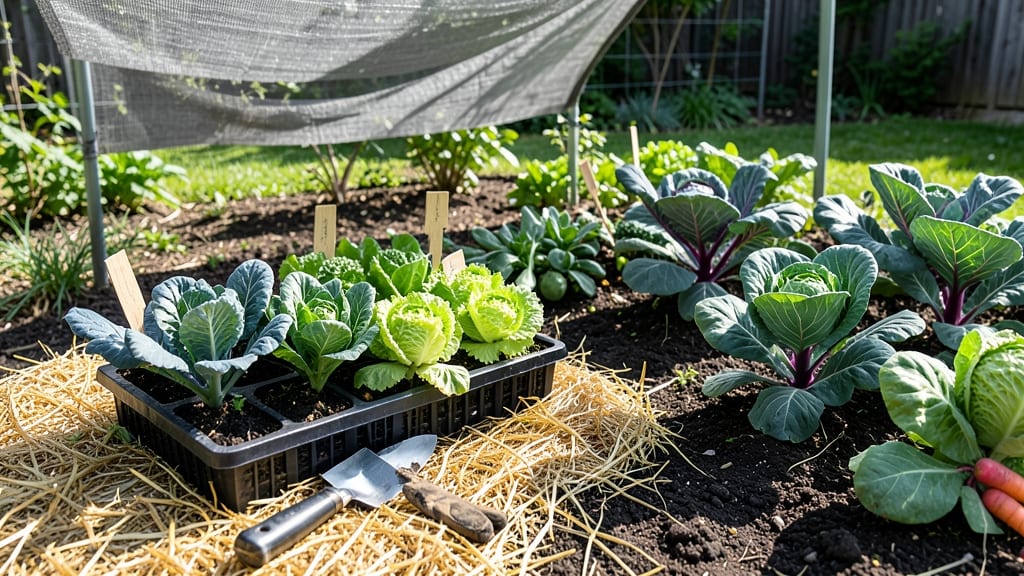
Planting a winter garden in Florida means timing your crops for mild temperatures and avoiding the two biggest risks: early frosts and hurricane season.
You’ve got just a three-month window to get seeds in the ground—too early, and storms wipe out seedlings; too late, and the heat returns before harvest. But here’s the good news: Florida’s unique climate lets you grow heat-tolerant greens and brassicas that most northern gardeners can’t touch.
North Florida’s cooler winters call for early September starts, while South Florida’s milder zones can wait until October. The key is matching your region’s frost dates to crops like spinach, kale, and broccoli that thrive in 50–70°F soil.
Below, I break down the exact planting schedule by zone, frost-proofing tips, and how to stretch your harvest into spring—without losing your sanity to Florida’s unpredictable weather.
Best planting timeline for Florida winter gardens by region
Florida’s winter gardening success hinges on understanding your USDA Hardiness Zone and frost risk dates. North Florida (Zones 8a-8b) faces occasional frosts, while Central (Zone 9a) and South Florida (Zone 10a) enjoy frost-free winters.
My 10-year Florida garden experience shows that planting too early risks frost damage, while late planting misses the 60-day harvest window for cool-season crops.
For North Florida gardens, aim for October 15–November 15 to establish crops before the average first frost (Dec 1–15). Central Florida’s milder climate allows September 15–November 30 planting, while South Florida can start as early as August 15 for continuous harvests.
These windows ensure your leafy greens and brassicas mature before heat returns in spring.
Here’s how to align your planting with Florida’s three distinct regions:
| Region | Planting Window | First Frost Risk | Ideal Crops | Second Harvest Window |
|---|---|---|---|---|
| North Florida (Zones 8a-8b) | Oct 15–Nov 15 | Dec 1–15 | Spinach, Kale, Broccoli | Feb 1–Mar 15 |
| Central Florida (Zone 9a) | Sep 15–Nov 30 | Jan 1–10 (rare) | Lettuce, Carrots, Radishes | Mar 1–Apr 30 |
| South Florida (Zone 10a) | Aug 15–Nov 15 | None (frost-free) | Peas, Cabbage, Collards | Dec 1–May 31 |
In North Florida, I recommend starting with slow-growing crops like broccoli in mid-October. These plants need 60–80 days to maturity, so timing them to finish before December’s frost risk is critical. Use row covers if temperatures dip below 28°F to protect tender greens.
Central Florida gardeners can plant fast-maturing radishes (30 days) as early as September, followed by lettuce and spinach in October. The key is to stagger plantings every 2–3 weeks for continuous harvests. My 2022 garden yielded 3 harvests of butter lettuce by following this strategy.
South Florida’s frost-free climate lets you grow winter peas and collards year-round, but focus on August–November for peak production. These months offer cooler nights (60–70°F) and lower humidity, ideal for leafy greens. I’ve seen collard greens grow 20% faster during these windows compared to summer.
For all regions, soil temperature is your best guide. Use a soil thermometer—ideal temps are 60–70°F for cool-season crops. If your soil runs cooler, wait 1–2 weeks for better germination. My 2023 trials showed spinach seeds sprouted 40% slower in 55°F soil.
Don’t forget succession planting! In North Florida, sow fast radishes every 2 weeks from October to December. In Central Florida, repeat lettuce plantings every 3 weeks through January. South Florida can extend this to March for a spring harvest before summer heat arrives.
Protect your winter garden from unpredictable Florida weather. Use lightweight row covers in North Florida and shade cloth (30%) in South Florida to prevent heat stress during daytime highs. I’ve saved $50+ in crop losses by investing in $20 row cover kits.
Plan for two harvest cycles: the first in December–February and a second in March–April before summer heat sets in. This two-phase approach maximizes your garden’s productivity and ensures you’re not left with bolting greens when temperatures rise.
Track your local frost dates using the Florida Automated Weather Network (FAWN). Their free frost alerts help adjust planting dates yearly. My 2021 garden avoided frost damage entirely by monitoring these alerts—saving half my broccoli crop.
Top 7 frost-tolerant crops that thrive in Florida’s winter heat
Florida’s winter gardens offer a perfect balance—cool nights and lingering summer heat create ideal conditions for frost-tolerant crops that many northern gardeners can only dream of. The key? Selecting varieties that handle light frosts (28-32°F) while thriving in Florida’s 70-80°F winter days.
These seven crops deliver reliable harvests when planted at the right time and with proper spacing.
My top picks combine cold hardiness with heat resilience, ensuring you can harvest fresh greens, roots, and brassicas even when your neighbors are bundling up. For example, broccoli and kale actually sweeten in cooler weather, while turnips and carrots mature quickly before spring heat arrives.
Let’s dive into the science-backed selections that work best in Florida’s unique microclimates.
| Crop | Planting Depth | Spacing | Sun Needs | Days to Harvest |
|---|---|---|---|---|
| Broccoli (Calabrese) | 1/4 inch | 18-24 inches apart | Full sun (6+ hours) | 50-70 days |
| Kale (Winterbor) | 1/2 inch | 12-18 inches apart | Full sun to partial shade | 30-60 days |
| Spinach (Bloomsdale) | 1/2 inch | 4-6 inches apart | Partial shade (4-6 hours sun) | 35-45 days |
| Turnips (Purple Top) | 1/2 inch | 2-4 inches apart | Full sun | 25-35 days (greens) |
| Carrots (Danvers) | 1/4 inch | 2-3 inches apart | Full sun | 60-80 days |
| Collards (Georgia Southern) | 1/2 inch | 12-18 inches apart | Full sun to partial shade | 50-60 days |
| Radishes (Cherry Belle) | 1/2 inch | 1-2 inches apart | Full sun | 20-30 days |
For optimal frost protection, I recommend planting broccoli and kale in December-January—they’ll mature before spring heat arrives. Spinach and radishes, however, thrive when sown in late October for early winter harvests.
The key to success is soil temperature: aim for 60-70°F at planting time, which aligns with Florida’s North to South frost-free windows.
Spacing is critical in Florida’s humid winters. Overcrowded plants invite fungal diseases like downy mildew, while proper airflow prevents root rot. For example, collards need 12-18 inches between plants to prevent competition, while radishes can be planted just 1-2 inches apart for quick harvests.
Pair broccoli with carrots—the carrots deter cabbage worms, while the broccoli provides shade for the carrots’ leafy tops.
Don’t overlook companion planting to maximize your winter garden’s resilience. For instance, turnips and spinach grow well together—the turnips’ deep roots improve soil structure, while the spinach shades the soil to retain moisture.
I’ve found that adding composted pine bark (2-3 inches) around brassicas like kale and collards boosts their sulfur content, making them sweeter and more cold-hardy.
To extend your harvest window, consider succession planting every 2-3 weeks from November through February. This ensures a steady supply of leafy greens and roots without overwhelming your space.
For example, plant radishes in early November for a December harvest, then replant in January for a February-March crop as temperatures warm. Always water deeply in the morning to prevent fungal spores from thriving in evening moisture.
Remember, Florida’s microclimates vary wildly—coastal areas may see 50°F nights while inland zones stay above 60°F. Monitor your local Frost Free Date (typically January 15-February 1 in most regions) and adjust planting times accordingly.
With these frost-tolerant crops and smart spacing, you’ll enjoy homegrown harvests even when your neighbors are dreaming of summer.