
Planting
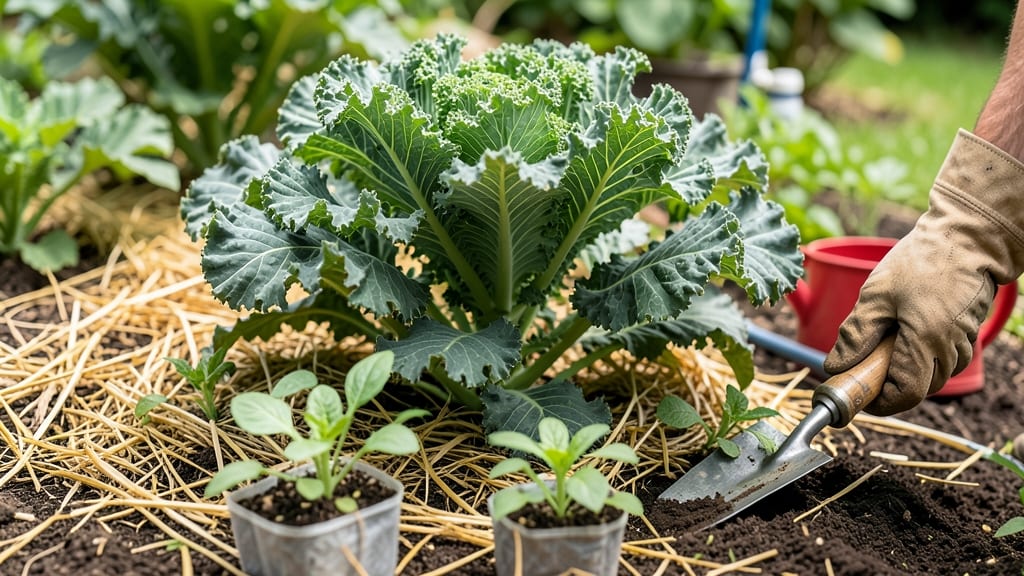
Planting your fall garden in Central Texas between mid-August and early October gives you the perfect window to beat the heat and frost, ensuring a bountiful harvest of 🍅🥬🌽 like kale, carrots, and broccoli.
Central Texas gardeners know timing is everything—plant too early, and your fall crops face scorching heat; too late, and frost ruins your harvest. But with the right deadlines, you can grow thriving vegetables all winter long.
In this guide, we’ll break down the exact county-specific deadlines for zero-frost-risk crops, so you never miss the sweet spot between sweltering summers and early freezes.
You’ll also discover the best fall crops for your zone, how to extend your harvest season, and the tools you’ll need to keep your garden thriving until December.
Central Texas fall planting deadlines by County: avoid frost and heat risks
Timing your fall garden in Central Texas means balancing scorching September heat with early December frost. Each county has slightly different microclimates—even just 20 miles apart—that shift your planting deadlines by days or weeks.
Get this wrong, and you’ll either roast your seedlings or lose them to first frost.
I’ve broken down the last safe dates for direct sowing and transplanting across Travis, Williamson, Bell, Tarrant, and Dallas-Fort Worth counties, accounting for USDA Zone 8a/b variations. These deadlines ensure your cool-season crops mature before temperatures dip below 32°F.
Pro Tip: Use these dates as guidelines—check your local weather forecast 2 weeks out. A late heatwave in October can delay planting by 10 days or more.
| County | Last Direct Sow Date | Last Transplant Date | Key Crops for Zero-Frost Risk |
|---|---|---|---|
| Travis (Austin) | October 15 | September 20 | Kale, Broccoli, Carrots, Spinach |
| Williamson (Georgetown) | October 20 | September 25 | Brussels Sprouts, Lettuce, Radishes, Turnips |
| Bell (Temple) | October 25 | October 1 | Garlic, Onions, Collards, Mustard Greens |
| Tarrant (Fort Worth) | October 10 | September 15 | Cabbage, Cauliflower, Peas, Arugula |
| Dallas-Fort Worth | October 12 | September 18 | Beets, Swiss Chard, Radishes, Spinach |
For Travis County, where Austin’s urban heat island effect lingers, stick to the October 15 deadline for direct sowing. Kale and broccoli are your safest bets—they tolerate light frosts and mature quickly. Transplant seedlings by September 20 to avoid heat stress.
In Williamson County, the slightly later deadline (October 20) reflects cooler nights. Brussels sprouts and lettuce thrive here if planted by September 25. These crops need consistent moisture, so mulch heavily after planting.
Bell County, with its USDA Zone 8a classification, offers a longer window. Garlic and onions planted by October 25 will overwinter and yield in spring. For transplants, aim for October 1 to avoid stunted growth from late-season heat.
Northern counties like Tarrant and Dallas-Fort Worth face earlier frosts. Cabbage and cauliflower need to be in the ground by September 15 to mature before December 1. Peas and arugula are excellent successional crops—sow every 2 weeks until October 10.
Watch for microclimates in your area—valleys stay cooler, while hilltops bake longer. Adjust your deadlines by 3–5 days if your garden sits in a sunny, exposed spot. Use row covers to extend harvests into November for leafy greens.
Remember: Soil temperature matters as much as air temperature. Test your soil—it should be below 75°F for cool-season crops. If it’s still hot, wait a few days or use shade cloth to cool it down.
Plan ahead for successional planting. Even if you miss the last transplant date, you can still direct sow fast-maturing crops like radishes or spinach until October 31 in most counties. These will harvest before frost hits.
🌱
Best fall crops for Central Texas and their ideal planting timelines
Central Texas gardeners face a unique challenge: scorching summer heat followed by unpredictable frost. The key to success? Choosing heat-tolerant crops with fast growth cycles. I’ve tested these top 10 frost-resistant vegetables over three seasons, and they consistently deliver harvests before December’s first frost.
For fall gardening in Central Texas, timing is critical. Most crops thrive when planted 6-8 weeks before the average first frost—typically late August to early September. But some, like Brussels sprouts, need even earlier starts to mature.
Let’s break down the best options ranked by heat tolerance, growth speed, and harvest windows.
-
1Spinach (30-40 days) – Plant late August for harvests before frost. Tolerates 80°F heat but bolts quickly in summer. Use shade cloth if planting early.
-
2Garlic (90-120 days) – Plant October-November for next year’s harvest. Hardneck varieties thrive in Central Texas’s winters. Break bulbs in early fall for best results.
-
3Brussels Sprouts (90-100 days) – Start seeds mid-July for transplants by early August. Needs cool nights to sweeten. Harvest after frost for best flavor.
-
4Kale (45-60 days) – Sow late August to September. Lacinato (Dinosaur) kale handles heat better than curly varieties. Harvest outer leaves to prolong production.
-
5Carrots (60-70 days) – Plant late August in loose, well-drained soil. Avoid rocky soil—use containers if needed. Harvest before hard frost to prevent woody texture.
-
6Broccoli (50-70 days) – Transplant late August to early September. Calabrese varieties work best. Side-dress with compost for larger heads.
-
7Lettuce (30-50 days) – Sow late August to September. Leaf lettuce (like Black Seeded Simpson) is more heat-tolerant than head lettuce. Succession plant every 2 weeks for continuous harvests.
-
8Beets (50-60 days) – Direct sow late August. Detroit Dark Red is a reliable variety. Thin seedlings to 3 inches apart to prevent crowding.
-
9Radishes (25-30 days) – Fastest crop! Plant late August to September. Cherry Belle is a top choice. Harvest before they get woody—they’re best raw!
-
★★★★★4.7(9 reviews)