Planting
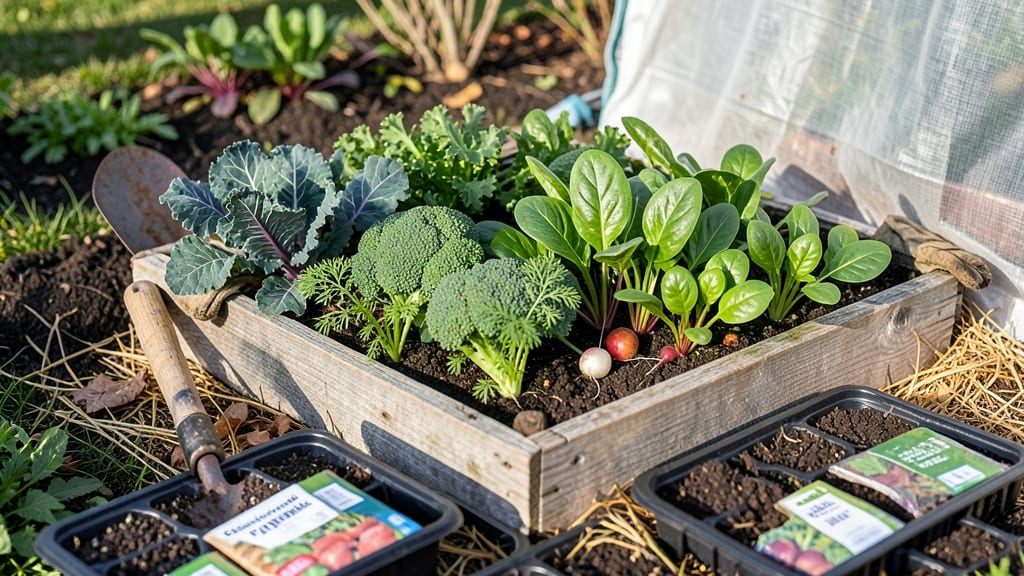
Planting a fall garden in North Carolina between mid-August and mid-September sets you up for a harvest just before the first frost 🥬—but timing it wrong means bolting greens or stunted roots.
North Carolina’s mild fall weather creates the perfect window for a thriving garden—but planting too early or late can spell disaster for your crops. The difference between a bumper crop and a sad salad is knowing when to put those seeds in the ground.
This guide breaks down the exact dates by crop type and hardiness zone, so you can avoid common mistakes like planting spinach too late or kale too early. Whether you're in the Piedmont or Coastal Plain, these strategies will help you extend your harvest well into November.
You’ll learn which crops thrive in NC’s 7a-8b zones, how to adjust for early or late falls, and the simplest ways to protect your garden from unexpected cold snaps. Ready to grow more this season?
NC fall planting calendar: exact dates by hardiness Zone (6b, 7a, 7b)
North Carolina’s fall planting window is short but sweet—just 4-6 weeks before the first frost. For Zone 6b, that means starting in early to mid-September, while Zone 7a/7b gardeners have until mid-October. Missing these dates risks bolting greens or frost-damaged roots, so timing is everything.
First, check your average first frost date: Zone 6b (e.g., Asheville) typically hits November 1-15, while Zone 7a/7b (e.g., Raleigh, Charlotte) waits until November 15-December 1. Planting 4-6 weeks before ensures your crops mature before winter sets in.
Soil temperatures also matter—most cool-season crops thrive when soil is between 45°F and 75°F. In NC, this window aligns perfectly with late August through October, giving you a 6-8 week growing season before frost.
Here’s your zone-specific planting calendar for vegetables, herbs, and flowers, including early vs. late fall adjustments to stretch your harvest.
For Zone 6b, prioritize fast-maturing crops like radishes (25 days) or bush beans (50 days) to avoid frost. In Zone 7a/7b, you can stretch to 60-day crops like broccoli or carrots, but plant late varieties (e.g., ‘Winter Density’ carrots) for extended harvests.
Adjust for early vs. late fall: Plant heat-tolerant greens (like Swiss chard) in early September to handle residual summer heat, while cold-hardy crops (like kale) can go in October for winter harvests. Use row covers to push harvests 2-3 weeks later in cooler zones.
Soil prep is critical—amend beds with compost to improve drainage, and test pH (6.0-7.0) for optimal nutrient uptake. Mulch heavily after planting to insulate roots and retain moisture during fall temperature swings.
Watch for bolting in greens like lettuce—if nights dip below 50°F too early, opt for heat-tolerant varieties (e.g., ‘Black Seeded Simpson’ lettuce) or use shade cloth to delay maturity. Herbs like cilantro and dill also bolt quickly; plant them late August for a fall harvest.
Pro tip: Succession plant
Best fall crops for NC gardens and their ideal planting times
North Carolina’s fall garden thrives when you plant the right crops at the perfect time. With cooler temperatures and longer daylight, this season is ideal for leafy greens, root vegetables, and hardy brassicas.
The key is knowing when to start seeds or transplant seedlings to avoid early frost while maximizing harvests before winter sets in.
For Zone 7a-8b, aim to plant most fall crops between mid-August and mid-September. This timing ensures they mature before the first frost, which typically hits between late October and November depending on your location.
Fast-growing varieties like spinach and radishes can even be sown as late as early October for a quick harvest.
🌱 Top Fall Crops & Planting Windows for NC
- 🥬 Leafy Greens (Lettuce, Spinach, Kale) – Late August to Early September (30-50 days to harvest)
- 🥕 Root Vegetables (Carrots, Beets, Radishes) – Mid-August to Late September (45-70 days to harvest)
- 🥦 Brassicas (Broccoli, Cabbage, Brussels Sprouts) – Early August to Mid-September (60-90 days to harvest)
- 🌿 Herbs (Parsley, Cilantro, Dill) – Late August to Early October (30-60 days to harvest)
- 🍅 Fast-Growing Greens (Arugula, Mustard Greens) – Late September to Early October (25-40 days to harvest)
For leafy greens, prioritize varieties like ‘Black Seeded Simpson’ lettuce or ‘Winter Density’ spinach, which tolerate light frost and mature quickly. Plant these 4-6 weeks before your first frost date—typically late August to early September—to ensure a steady harvest through October and November.
Root vegetables like carrots and beets need consistent moisture and well-draining soil. Sow seeds 6-8 weeks before frost (around mid-August) for a fall harvest. Choose short-day varieties like ‘Danvers’ carrots or ‘Detroit Dark Red’ beets, which perform best in cooler weather.
Brassicas, including broccoli and cabbage, require more time to mature, so start them early. Transplant seedlings by early August for a fall harvest. Varieties like ‘Waltham 29’ broccoli or ‘Golden Acre’ cabbage thrive in NC’s climate and can handle light frost, extending your harvest window.
Don’t overlook herbs like parsley and cilantro, which add flavor to fall meals. Sow seeds late August to early October for a fresh harvest. These herbs prefer cooler weather and can even overwinter in mild NC zones if protected with mulch or row covers.
For the fastest late-season harvests, focus on arugula and mustard greens. These bolt-resistant greens can be sown as late as early October and harvested in just 3-4 weeks. Pair them with radishes for a quick, peppery addition to salads before winter arrives.