
Planting
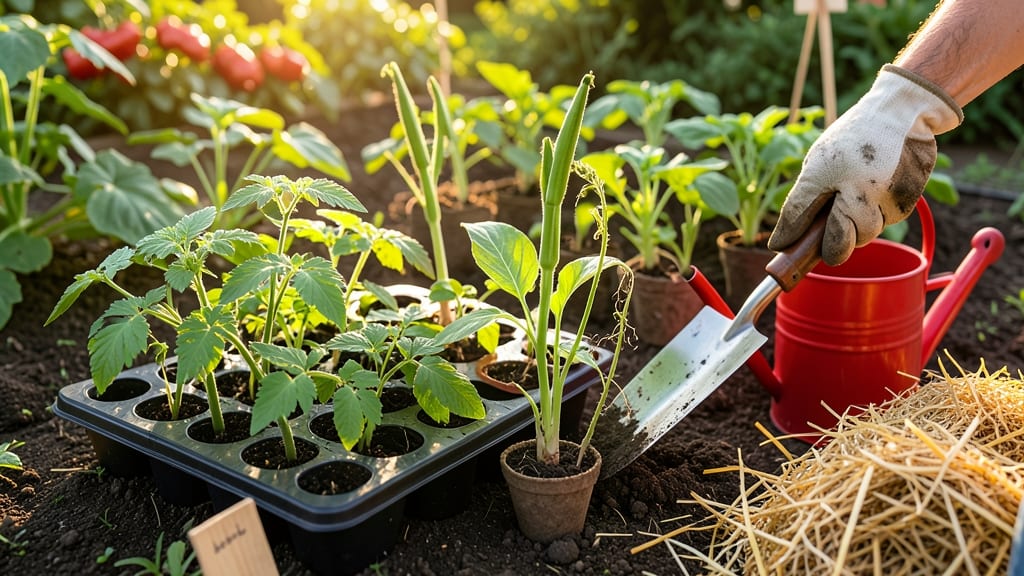
To plant a garden in Florida at the right time means starting warm-season crops by mid-March in the Panhandle or as early as February in Miami—before the heat stresses seedlings into submission.
Florida’s scorching summers and unpredictable weather can turn gardening into a guessing game—unless you know the exact planting windows for your region. Timing is everything when growing heat-tolerant veggies, flowers, and herbs, and missing the window means struggling with bolting, wilting, or pests.
Here’s the game-changer: Florida’s three distinct seasons—warm, rainy, and cool—dictate when to sow, transplant, or harvest. The North Florida freezes in winter, while South Florida stays frost-free year-round, so your neighbor’s schedule might not work for you.
Below, I break down the best start dates by region, which crops thrive in Florida’s heat, and how to stretch your growing season without burning out your plants—or your patience.
Florida planting calendar: best start dates by region (north vs. central vs. south)
Florida’s climate varies dramatically from the Panhandle’s cooler winters to South Florida’s frost-free zones, making regional timing critical.
In North Florida (USDA Zones 8a-9a), like Tallahassee or Gainesville, you can plant cool-season crops like broccoli and carrots as early as September, while South Florida (Zones 10b-11), including Miami and Key West, enjoys year-round growing potential with no frost risk.
Central Florida (Orlando, Tampa) falls in Zone 9b-10a, offering a middle ground where you can stretch planting seasons by using season extenders like row covers.
The key is understanding your last frost date—January 15 in North Florida vs. none in South Florida—and aligning it with warm-season crops like tomatoes and peppers, which thrive after March 1 statewide.
The summary table below breaks down optimal planting windows for your region, including warm-season staples (tomatoes, peppers, okra) and cool-season greens (lettuce, broccoli, carrots). Use this as your guide to avoid heat stress or bolting in Florida’s intense summers.
In North Florida, I always start tomato and pepper seeds indoors by February 15 to give them a head start before transplanting after the last frost (March 15). This extra time helps them establish roots before the 90°F+ temperatures of summer hit.
For cool-season crops like lettuce, I plant in September to harvest before the heat of May causes bolting.
Central Florida’s longer growing season lets me transplant warm-season crops like okra as late as April 30, but I avoid planting cool-season crops after February unless I’m using shade cloth.
The humidity and afternoon sun can stress seedlings, so I always water deeply in the early morning to prevent fungal issues.
South Florida gardeners have the advantage of no frost risk, but the intense summer heat (often exceeding 95°F) demands heat-tolerant varieties. I focus on Malabar spinach, black-eyed peas, and sweet potatoes, which thrive when other crops wilt.
Even here, September-November is ideal for cool-season greens like kale and collards.
Pro tip: Use mulch (2-3 inches) to retain moisture and shade cloth (30-50%) during peak summer to protect seedlings. In North Florida, I also use row covers to extend the cool-season growing window into early spring.
Adjust your schedule based on local microclimates—coastal areas may stay cooler longer than inland zones.
Remember, Florida’s hurricane season (June-November) can disrupt planting plans. If a storm is forecasted, prioritize harvesting ripe crops and protecting young seedlings with temporary covers. With the right timing, you can enjoy year-round harvests—even in the Sunshine State’s hottest months!
Heat-tolerant crops to plant now (and when to avoid them)
Florida’s summer heat can be brutal on gardens, but with the right heat-tolerant crops, you can thrive year-round. These plants not only survive but thrive in 90°F+ temperatures, making them perfect for planting now.
The key is knowing which crops to prioritize and which to avoid during peak summer months to prevent stress or failure.
For example, sweet potatoes and okra love the heat, while leafy greens like lettuce will bolt or wilt. Understanding these distinctions ensures your garden stays productive even when the mercury rises. Let’s dive into the best heat-resistant plants to plant now and which ones to skip until cooler months.
- Sweet Potatoes – Plant slips in May-June; harvest in 90-120 days. Thrives in full sun and well-draining soil. Companion plants: Corn, beans, or marigolds.
- Malabar Spinach – Sow seeds in April-September; grows in partial shade. Perfect for humid climates and high heat. Companion plants: Peppers, okra, or cucumbers.
- Black-Eyed Peas – Plant in March-April or August-September for fall harvest. Tolerates drought and poor soil. Companion plants: Tomatoes, onions, or carrots.
- Avoid in Peak Summer: Lettuce, spinach, kale, and cool-season crops like broccoli or cabbage. They’ll bolt or wilt in 90°F+ heat.
- Bonus Tip: Use shade cloth (30-50%) for heat-sensitive seedlings like tomatoes or peppers if planting in late summer.
When planting heat-tolerant crops, focus on deep watering in the morning to reduce evaporation and fungal risks. Mulch with straw or wood chips to retain moisture and keep roots cool. For instance, okra needs consistent moisture but hates soggy soil, so well-draining beds are a must.
If you’re growing herbs like basil or cilantro, opt for shadier spots or use drip irrigation to prevent wilting. These herbs can survive summer but may bolt prematurely if stressed. Pair them with heat-loving companions like thyme or oregano, which thrive in the same conditions.
For fall planting, start cool-season crops like carrots or radishes in August-September to avoid summer heat. These crops prefer 60-70°F soil temperatures, so timing is critical. Use row covers to protect seedlings from unpredictable summer storms or heat spikes.
Remember, Florida’s humidity and storms can derail even the hardiest plants. Always monitor your garden for signs of stress, like yellowing leaves or stunted growth, and adjust care accordingly. With the right heat-tolerant crops and timing, your garden can stay lush and productive all year.