
Planting
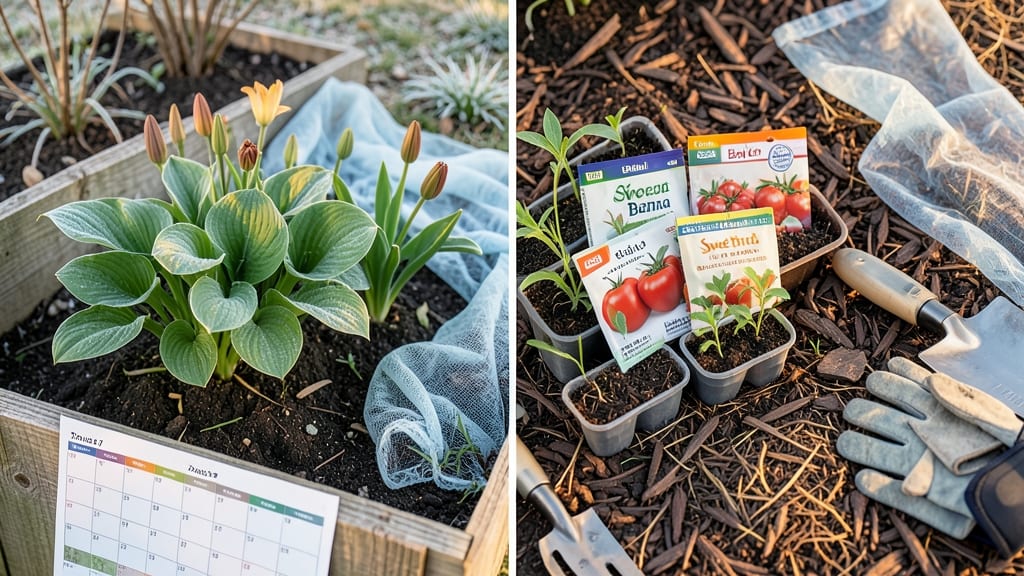
Planting your garden in Michigan at the right time means catching that narrow window between frost and summer heat — and missing it can mean lost crops or stunted growth.
Michigan gardeners know timing is everything: plant too early and frost can wipe out your hard work, but wait too long and the season slips away. Mastering the perfect planting windows for Zone 4B/5A ensures your vegetables, flowers, and herbs thrive without risking frost damage.
With average last frost dates ranging from early May in Detroit to late May in Traverse City, knowing exactly when to start seeds indoors or transplant seedlings outdoors is the difference between a bountiful harvest and a disappointing one.
Here’s how to align your planting schedule with Michigan’s climate, from cool-season crops like spinach to heat-loving tomatoes, plus strategies to extend your growing season when frost lingers or arrives early.
Michigan frost dates 2024: last spring & first fall frost timelines by region
Understanding Michigan frost dates is the key to planning a successful garden in Zone 4B/5A. The last spring frost and first fall frost create your planting windows—get them wrong, and you risk losing tender plants to unexpected cold snaps.
Based on 30-year climate averages and recent trends, here’s what to expect in 2024 for Michigan’s most populated regions.
These dates are your garden’s lifeline. Planting warm-season crops like tomatoes or peppers before the last frost can mean frost damage, while waiting too long reduces your harvest window. Conversely, cool-season crops like spinach and kale can handle light frosts, so you can start them earlier.
Always check the USDA Plant Hardiness Zone Map for your exact location—even within a city, microclimates can shift frost dates by 1-2 weeks.
🌱
For Detroit gardeners, the 175 frost-free days mean you can squeeze in two full harvests of warm-season crops like peppers and eggplants if you start seeds indoors in early April. Meanwhile, Traverse City’s shorter season (just 135 frost-free days) demands faster-maturing varieties or early starts under grow lights.
Always adjust for microclimates—south-facing slopes warm up faster, while low-lying areas hold cold longer.
Use the USDA Plant Hardiness Zone Map to cross-reference your location. For example, Zone 5A (like Detroit) has a slightly longer season than Zone 4B (common in northern Michigan).
If you’re on the border, err on the side of caution—plant heat-loving crops like tomatoes after May 15 to avoid frost risk. For cool-season crops, you can start spinach or peas as early as March 20 under row covers.
🌿
Watch for early frost warnings from local weather services like the National Weather Service or Michigan State University Extension. In 2023, some areas saw the last spring frost delayed by 2 weeks, while others experienced an early October frost.
To hedge your bets, use frost cloth or row covers to extend your season by 2-4 weeks. For
Zero-frost risk planting calendar: what to sow when in Michigan’s short season
Michigan’s short growing season demands precision—cool-season crops need early starts, while warm-season favorites can’t afford late planting. By aligning your schedule with frost-free windows, you’ll maximize yields and avoid disappointment. Here’s my battle-tested calendar for Zone 4B/5A, tailored to Michigan’s climate quirks.
Start with cool-season crops like spinach, peas, and kale in early spring when soil temperatures reach 40°F. These hardy plants tolerate light frosts and even thrive when temperatures dip.
For warm-season staples like tomatoes and peppers, wait until after your last frost date (typically mid-May in southern Michigan, early June in the north) and soil warms to 60°F+.
For perennials like asparagus and herbs (basil, dill), plant in early spring (April–May) or early fall (September) to establish roots before dormancy. Asparagus crowns need 2–3 years to mature, so plant them as early as possible in spring.
Extend your season with succession planting: Sow fast-maturing crops like radishes or bush beans every 2 weeks after the initial planting. This ensures a steady harvest and minimizes wasted space. For example, plant a new row of lettuce every 3 weeks from May through August.
Always check your local frost dates—they vary by 1–2 weeks across Michigan. Use a frost-proof row cover to protect tender seedlings if late frosts threaten. With this calendar, you’ll turn Michigan’s short season into a high-yielding garden! 🌱