
Planting
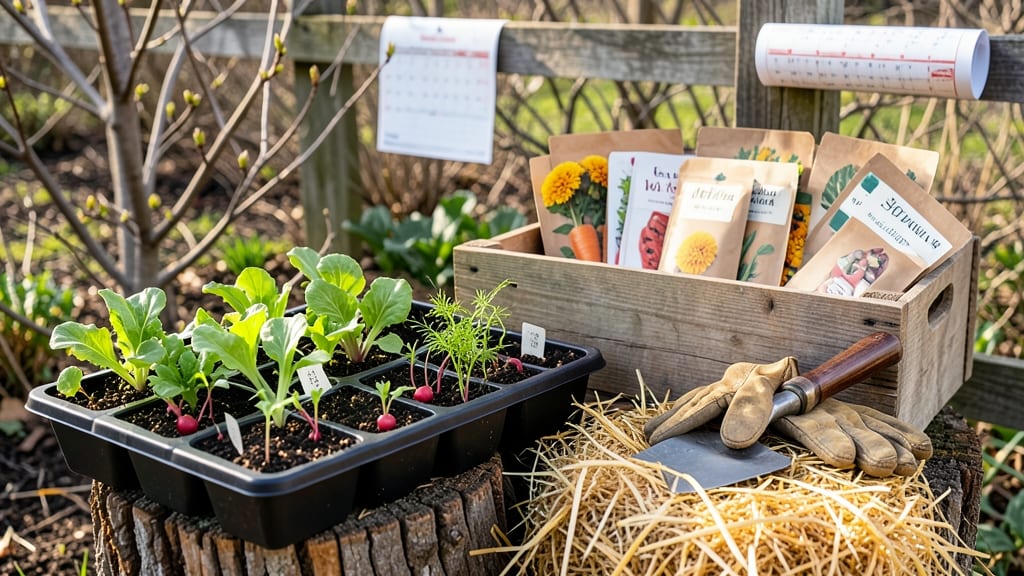
Planting a garden in Pennsylvania at the right time means the difference between a bumper crop and a sad, wilted disappointment.
Pennsylvania’s diverse microclimates—from the cold mountain valleys to the warmer river regions—can make planting season confusing. Get the exact frost-free dates and best planting windows for your PA zone to maximize your garden’s success this year.
Whether you’re in USDA Zone 5b or Zone 7a, timing matters. Cool-season crops like lettuce and peas thrive when planted 4-6 weeks before your last frost, while tomatoes and peppers need to wait until after mid-May in most regions.
Below, I’ll break down the best planting windows for your specific microclimate, including urban heat islands and rural areas, so you can plan with confidence—no more guessing games.
PA planting zones: frost-free dates by region (2024 guide)
Pennsylvania's 8 USDA hardiness zones (4a-6b) create dramatic differences in frost-free dates, from late April in the southern tier to mid-May in the mountains. These dates determine whether you can plant tomatoes in early May or need to wait until June.
Understanding your zone's average last frost helps you time cool-season crops like spinach and warm-season crops like peppers perfectly.
Your local microclimate can shift frost dates by 1-3 weeks. Urban areas like Philadelphia often warm up faster due to heat islands, while rural valleys stay colder longer. Elevation changes of just 500 feet can delay frost by 5-7 days.
Always check Penn State Extension for your county's 3-year average frost dates—they're more reliable than general zone maps.
Cool-season crops like lettuce and peas should go in 4-6 weeks before your last frost date, while warm-season crops like cucumbers need to wait 2-3 weeks after. In Zone 5b, that means late March for spinach but mid-May for tomatoes. Get it wrong, and you'll either lose seedlings to frost or waste time on stunted plants.
Mountain regions (Zones 4a-5a) like the Poconos or Allegheny Plateau often have shorter growing seasons (120-140 frost-free days). Here, focus on fast-maturing varieties like bush beans (50 days) or radishes (25 days). In Zone 6b areas like Lancaster, you can grow longer-season crops like sweet corn (90 days) with confidence.
In urban areas, concrete and asphalt absorb heat, creating microclimates 5-10°F warmer than rural zones. For example, Philadelphia's last frost often arrives 7-10 days earlier than Chester County just 20 miles west.
Use local weather stations (like Weather Underground) to track daily lows—if nighttime temps stay above 32°F for 5+ days, it's safe to plant warm-season crops.
For mountain gardens, elevation adjustments are critical. Every 1,000 feet up delays frost by 3-5 days. In Zone 5a areas like State College, plant cool-season
Best crops to plant by PA microclimate (urban vs. rural timing)
Pennsylvania’s urban heat islands (like Philadelphia) and rural valleys (like Lancaster) create wildly different planting windows. City gardens often warm up 1-2 weeks earlier than rural areas, while mountain regions like Scranton can lag 3+ weeks behind. Understanding these microclimates helps you time your plantings perfectly for maximum yield.
For warm-season crops like tomatoes and peppers, urban gardeners in Philadelphia can start seeds indoors by March 15th, while rural areas in Scranton should wait until April 1st.
Meanwhile, cool-season crops like lettuce thrive in early spring across all regions, but late-spring plantings in cities may bolt faster due to heat.
Here’s how to adjust your planting schedule based on your PA microclimate:
If your spring arrives late or unpredictable, focus on cold-hardy crops like spinach and kale for early harvests. For warm-season crops, extend your season with row covers or black plastic mulch to warm the soil faster.
Urban gardeners can also take advantage of container gardening to move plants to sunnier spots as needed.
For herbs like cilantro, urban areas can harvest continuously from April through October, while rural gardeners may only get 2-3 harvest cycles due to cooler nights. Always check your local frost dates (via Penn State Extension) and adjust by 1-2 weeks if your microclimate runs cooler.
Pro tip: Succession planting works best in cities where space is limited. Sow bush beans every 2 weeks from May through July for a steady harvest—no matter your microclimate.