
Planting
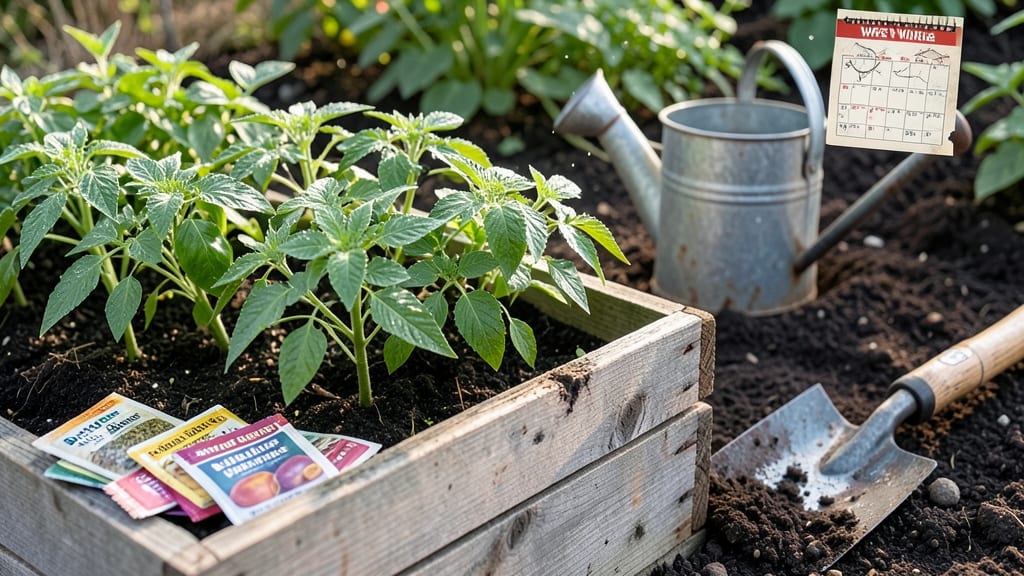
Planting a garden in West Virginia requires timing it just right—spring’s unpredictable frosts can turn a thriving plot into a sad memory if you’re off by even a week.
West Virginia’s diverse microclimates mean your gardening success hinges on planting at the perfect time—too early risks frost damage, while waiting too long cuts your harvest short. Here’s your county-by-county guide to avoid common mistakes and maximize yields.
From the Eastern Panhandle’s milder zones to the Appalachian highlands’ late frosts, each region has its own rules. Learn when to sow cool-season crops like peas and spinach, then transition to heat-lovers like tomatoes and peppers without wasting a single growing day.
Below, I’ll break down the exact frost-free windows for your area, plus pro tips for adjusting to WV’s tricky weather—so you can finally grow that garden you’ve always dreamed of.
West Virginia’s frost-free dates by region: when to plant cool vs warm-season crops
West Virginia’s five distinct microclimates create wildly different planting windows—what works in Charleston’s USDA Zone 7 may fail in Pocahontas County’s Zone 5. Understanding your last average frost date is the key to avoiding frost damage while maximizing your harvest.
Let’s break down the perfect planting windows for your region, including specific advice for lettuce, tomatoes, peppers, and beans.
In the Eastern Panhandle (like Berkeley and Jefferson Counties), gardeners enjoy one of the state’s earliest last frost dates—around April 15. This means you can start cool-season crops like lettuce as early as March 15 and transition to tomatoes and peppers by May 1.
Meanwhile, high-elevation areas like Pocahontas County in the Central Appalachian region often wait until May 10 for their last frost, pushing planting dates back by 2-3 weeks.
Here’s your region-by-region breakdown of frost-free dates and ideal planting windows for cool-season and warm-season crops, including adjustments for USDA Zones 5-7:
For cool-season crops like lettuce and peas, aim to plant 4-6 weeks before your last frost date.
In the New River Valley, this means starting seeds indoors by February 15, while high-elevation gardeners should wait until April 15. Direct-sow radishes and spinach as soon as soil is workable—typically 2-3 weeks before your last frost.
Warm-season crops like tomatoes and peppers need consistent soil temperatures above 60°F. In Charleston’s Zone 7, you can plant these by May 1, but in Pocahontas County’s Zone 5, wait until June 1 to avoid late spring frosts.
Use black plastic mulch to warm soil faster in cooler regions.
Pro tip: Succession plant beans and lettuce every 2 weeks after your last frost to extend your harvest. In WV’s short growing season, this ensures you don’t miss out on multiple harvests of your favorite crops. For example, in Morgantown (Zone 6a), plant bush beans every
How to adjust planting times for West Virginia’s unpredictable spring weather
West Virginia’s spring weather can be a gardener’s biggest challenge—one day it’s sunny and warm, the next it’s snowing. I’ve learned the hard way that planting too early after a false spring can wipe out your entire garden in days.
The key is flexibility and preparation, not just following a calendar. Even neighboring counties like Charleston and Tucker County can have 10-day differences in frost dates, so knowing your microclimate is critical.
My strategy focuses on three layers of protection: soil temperature testing, protective covers, and staggered planting. For example, I always wait until the soil reaches 50°F for warm-season crops like tomatoes, even if the air feels warm.
This simple check has saved my pepper plants from multiple late frosts. Let me show you exactly how I do it, including the tools and techniques that work best in WV’s unpredictable climate.
Tucker County’s high elevation means its average last frost date is 10-14 days later than Charleston’s. Planting tomatoes or cucumbers on the same schedule as the Eastern Panhandle risks severe frost damage.
Use row covers until May 20th in Tucker County, even if your Charleston neighbors are planting by May 1st.
Pro Tip: Check your county’s USDA Zone (5a-7a) and adjust planting by 2 weeks if you’re above 3,000 feet.
First, I recommend using a soil thermometer—not just watching the weather forecast. The ground stays cold long after the air warms up, especially in shady or low-lying areas.
For cool-season crops like spinach or kale, I plant as soon as the soil is workable (around 40°F), but I always have frost cloth ready. This two-step approach lets me start early without risking frost damage to tender seedlings.
For warm-season crops, I use a 3-step checklist before planting:
- Wait until the average nighttime temperature stays above 55°F for a week,
- Test soil warmth at 50°F for tomatoes and 60°F for peppers, and
- Monitor the National Weather Service’s frost predictions for your specific county.
This method has helped me avoid the heartbreak of blackened tomato plants after a surprise frost in early June.
Another game-changer is succession planting. Instead of planting all my lettuce seeds at once in April, I sow half in late March under cold frames, another half in early April, and the final batch in mid-April.
This way, I get a continuous harvest and don’t lose everything to a late frost. It’s extra work, but it’s worth it—my radish harvest lasts from May through July this way.
Don’t forget about row covers and cold frames as your secret weapons. I use floating row covers to protect my broccoli and cabbage from late frosts, and a simple cold frame lets me extend my growing season by 3-4 weeks in both spring and fall.
Even a $20 hoop house from the garden center can make all the difference in WV’s unpredictable climate.
Remember, the goal isn’t to follow a rigid schedule but to adapt. My garden’s success comes from staying flexible, testing soil temperatures, and having backup plans for those unpredictable WV springs.
With these strategies, you’ll avoid the most common mistakes and enjoy a bountiful harvest—no matter what Mother Nature throws your way. Happy gardening! 🌱