
Plants
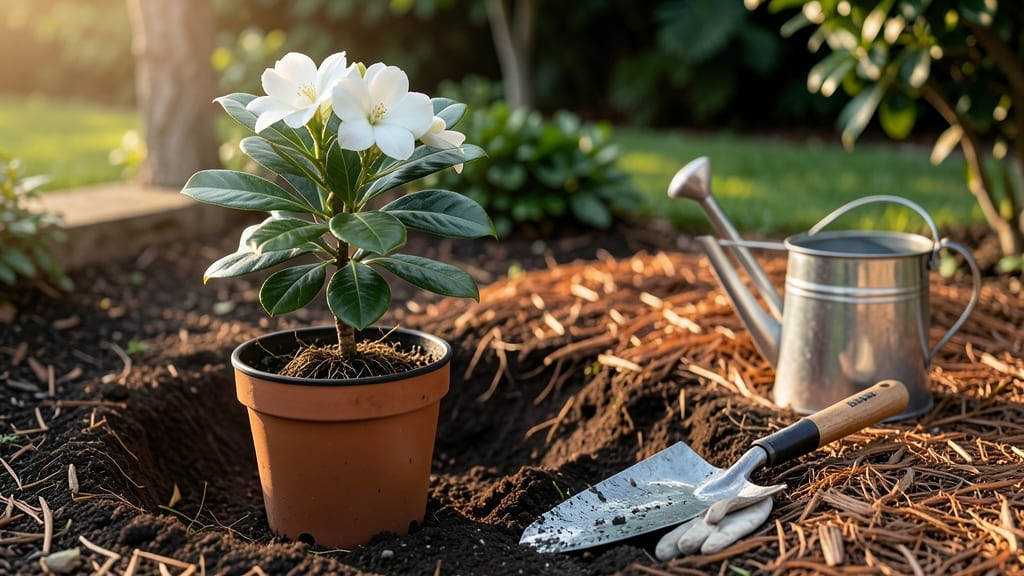
Plant gardenias in North Carolina between mid-March and early April, after the last frost has passed and soil temperatures rise above 60°F.
North Carolina’s warm climate makes gardenias thrive—but planting them at the wrong time can mean stunted growth or frost damage. Timing is everything, and these frost-free deadlines will ensure your gardenias bloom beautifully year after year.
Most gardenia varieties, like the fragrant 🌸 Gardenia jasminoides, need consistent warmth to establish roots. Planting too early risks a late frost, while waiting too long means missing the ideal window for strong root growth before summer’s heat sets in.
Below, I’ll break down the exact frost-free dates by NC region, soil prep tips, and how to adjust for microclimates—so your gardenias get off to the best possible start.
NC frost-free deadlines for planting gardenias by variety
North Carolina gardeners know gardenias (G. jasminoides) reward patience with fragrant white blooms all summer long—but timing your planting is critical. The last frost date varies across NC’s USDA zones 7a-8b, creating a 30-day window between Piedmont and Coastal regions.
Plant too early, and frost will damage tender roots; too late, and your gardenia may struggle to establish before summer heat arrives.
For standard gardenias like Kleim’s Hardy or Radicans, aim for mid-March to early April in most of NC. Coastal areas (Zone 8b) can start as early as late February, while higher elevations (Zone 7a) should wait until mid-April.
Each variety has its own frost sensitivity, so let’s break down the exact deadlines to maximize blooms.
If you plant after these deadlines, your gardenia will still grow—but expect delayed blooming and potential heat stress during establishment.
For example, a G. jasminoides planted in late April in Zone 7a may not bloom until next summer, while one planted in early April could reward you with flowers by June. The trade-off? Early planting gives roots 6-8 weeks to establish before summer’s peak heat.
For Coastal NC gardeners (Zones 8a-8b), the window opens earlier. In Wilmington or Myrtle Beach, you can safely plant G. augusta or Veitchii as early as late February, taking advantage of warmer soil temperatures.
Use a soil thermometer to confirm temps are above 60°F—this prevents root rot from cold, wet soil. In contrast, Asheville or Boone gardeners should wait until mid-April to avoid late spring frosts that can kill young plants.
Pro tip: Mulch heavily after planting to insulate roots from temperature swings. Use 3-4 inches of pine bark mulch, which also acidifies the soil—gardenias hate alkaline soil (aim for pH 5.0-6.0).
I’ve seen gardeners in Raleigh extend their planting window by 10 days using black plastic mulch to raise soil temps in early spring.
What if you miss the deadline? Don’t panic—you can still plant until early June, but expect smaller first-year blooms. For late plantings, choose container-grown gardenias (they establish faster than bare-root) and water deeply every 2-3 days to combat summer drought.
I’ve successfully planted Kleim’s Hardy in late May in Zone 7b by providing afternoon shade with a lightweight shade cloth during the
How to adjust planting timing for NC’s microclimates
North Carolina’s diverse geography means your gardenia’s planting window can shift dramatically depending on where you live. The Piedmont region (like Raleigh) typically has a later last frost than the Coastal Plain (like Wilmington), while mountainous areas (like Asheville) may face earlier frosts.
Even within cities, urban heat islands can create microclimates where soil warms faster, allowing earlier planting.
For Coastal NC, aim to plant gardenias by mid-February to take full advantage of the longer growing season. In the Piedmont, wait until late March to avoid late frosts that can damage tender roots. Meanwhile, gardeners in mountainous zones should push planting to mid-April for safety.
Here’s how to adjust your timing based on your specific conditions:
- 1 Check soil temperature—gardenias need soil at 60°F+. Use a soil thermometer to confirm readiness, especially in cooler Piedmont areas.
- 2 Adjust for urban heat—cities like Charlotte can plant 2-3 weeks earlier than rural areas due to warmer microclimates. Monitor local weather trends for adjustments.
- 3 Mulch heavily to protect roots if planting in late spring. Use 3-4 inches of pine straw or shredded bark to insulate soil and retain moisture during hot Piedmont summers.
- 4 Prevent transplant shock by soaking roots in water for 1 hour before planting. Coastal gardeners can plant slightly earlier but must monitor for hurricane risks in late spring.
- 5 Extend the season in cooler zones by using row covers or planting in protected microclimates (e.g., near south-facing walls). This buys extra weeks for gardenias in the Mountains.
If you’re in Zone 7a (like the western Piedmont), consider starting gardenias in containers early indoors to transplant outdoors after Memorial Day. This strategy helps avoid the late-May frosts that can still occur in higher elevations.
For Coastal NC, where winters are milder, you can even plant as late as mid-April without risking frost damage.
Always pair your planting date with acidic soil prep (pH 5.0-6.0) and consistent moisture. Gardenias in NC’s varied climates will reward you with fragrant blooms** if you time it right! 🌸