
Planting
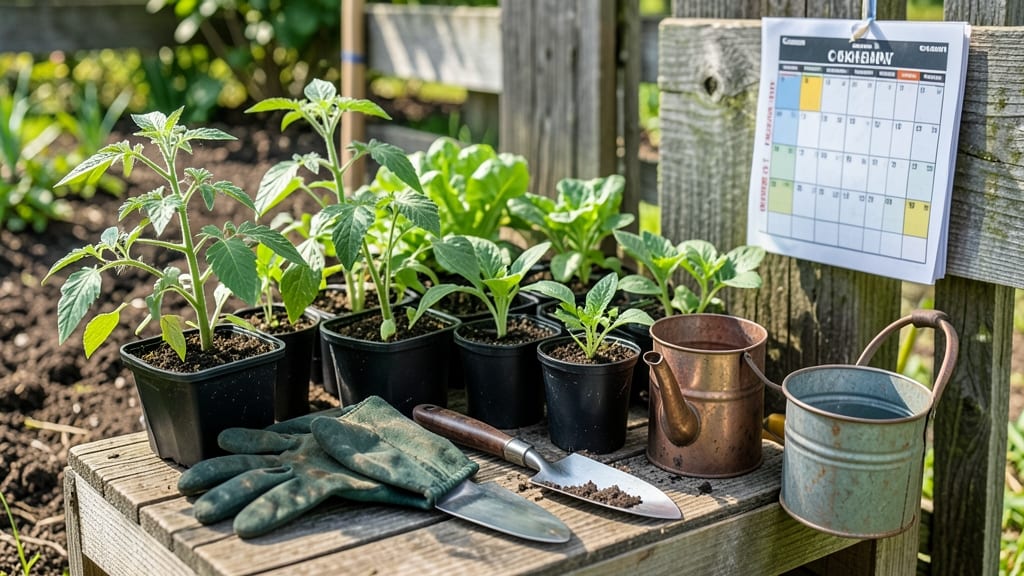
Planting a vegetable garden in Oklahoma at the right time means the difference between a bountiful harvest and wasted seeds—especially with frost dates ranging from March 15 to April 15 across the state.
Oklahoma’s unpredictable weather can make or break your garden—planting too early risks frost damage, while waiting too long cuts your growing season short. But with the right timing, you can maximize yields and avoid common mistakes that leave Oklahoma gardeners frustrated.
This guide breaks down the exact planting windows for cool-season crops like lettuce and spinach (plant 4-6 weeks before last frost) and warm-season favorites like tomatoes and peppers (wait until 2-3 weeks after frost).
You’ll also discover how to extend your season with frost cloths, cold frames, and succession planting—plus Oklahoma-specific tips to tackle clay soil and pests like squash bugs.
Oklahoma planting calendar: exact dates by crop type for zero-frost risk
Oklahoma’s last frost dates (March 15–April 15) and first frost (October 15–November 15) create a 200-day growing window—perfect for warm-season and cool-season crops. But timing matters: Planting tomatoes too early risks frost damage, while spinach planted after April 15 bolts before harvest.
Southern Oklahoma (Zone 7b) has a 2-3 week advantage over northern areas (Zone 6a), so adjust dates accordingly.
Cool-season crops like lettuce and onions thrive in Oklahoma’s spring and fall, while peppers and squash demand warmth. Use this calendar to align your plantings with Oklahoma’s soil temperatures (aim for 60°F+ for warm-season starters) and avoid common mistakes like overcrowding seedlings or skipping soil prep.
For urban gardeners in Oklahoma City or Tulsa, container planting lets you extend seasons with row covers. Rural gardeners in the Panhandle (Zone 6a) should wait until April 20 for warm-season crops, while southeastern Oklahoma (Zone 7b) can start March 25.
Always check OSU Extension’s frost maps for year-to-year adjustments.
Warm-season crops like tomatoes and peppers need consistent warmth—plant them 2-3 weeks after your area’s last frost. In southern Oklahoma (Zone 7b), this is typically April 15, while northern areas (Zone 6a) should wait until May 1.
Use soil thermometers to confirm 60°F+ temperatures before sowing seeds or transplanting seedlings.
For cool-season crops, start lettuce and spinach in February under row covers to extend the season. Southern Oklahoma gardeners can plant onions as early as January 15, while northern gardeners should wait until February 15. Always space seedlings 1
How to extend Oklahoma’s growing season for earlier/later plantings
Oklahoma’s short growing season can feel like a race against time, but with the right strategies, you can push your planting windows to enjoy fresh produce for months longer.
The key is using season extenders like frost cloths, cold frames, and row covers to shield tender plants from late-spring and early-fall frosts. I’ve tested these methods in my own garden, and they’ve added 30-45 days to both the start and end of my growing season.
For cool-season crops like broccoli and cabbage, starting seeds indoors 6-8 weeks before your last frost date (typically late February to early March) gives them a head start.
Once seedlings are sturdy, transplant them into the garden 2-3 weeks before the average last frost—this way, they’ll be established and ready to thrive when warmer weather arrives.
My basil and cucumber plants, on the other hand, need protection until soil temperatures consistently stay above 55°F in spring and 60°F in fall.
- Use frost cloths to shield seedlings from 28-32°F temperatures, extending the season by 2-4 weeks in spring and fall.
- Set up cold frames for early starts—place them over soil in late winter to warm it and start seeds 4-6 weeks before last frost.
- Deploy row covers over tender crops like tomatoes and peppers to protect against light frosts (30-32°F) and pests.
- Practice succession planting: Sow fast-growing crops like radishes or lettuce every 2 weeks to ensure a continuous harvest.
- Plant warm-season crops like okra and sweet potatoes in mid-June to avoid early-season pests and maximize fall yields.
One of my favorite tricks is using row covers over cucumbers and squash in early spring. These lightweight fabrics trap heat and block frost, allowing me to plant these heat-lovers 2-3 weeks earlier than usual.
Just remember to remove the covers once flowers appear to encourage pollination—unless you’re using fine mesh, which allows bees through while still protecting against frost.
For fall gardening, focus on cool-season crops like spinach, kale, and carrots. These thrive in cooler temperatures and can often be planted as late as mid-September in southern Oklahoma or early September in the Panhandle.
I’ve had great success with cold-hardy herbs like parsley and cilantro, which can handle light frosts down to 25°F with proper protection.
Don’t forget about soil preparation—amend your beds with compost and organic matter in early spring to improve drainage and warmth retention. Warmer soil speeds up germination and helps young plants establish faster.
In my garden, this simple step has cut down the time between planting and harvest by nearly 10 days for cool-season crops.
With these tactics, you can turn Oklahoma’s shorter growing season into a longer, more productive one. Start small with one or two methods, like frost cloths or succession planting, and build from there.
Before you know it, you’ll be enjoying fresh tomatoes in July and greens in November—all while beating the odds of Oklahoma’s unpredictable weather! 🌱