
Plants
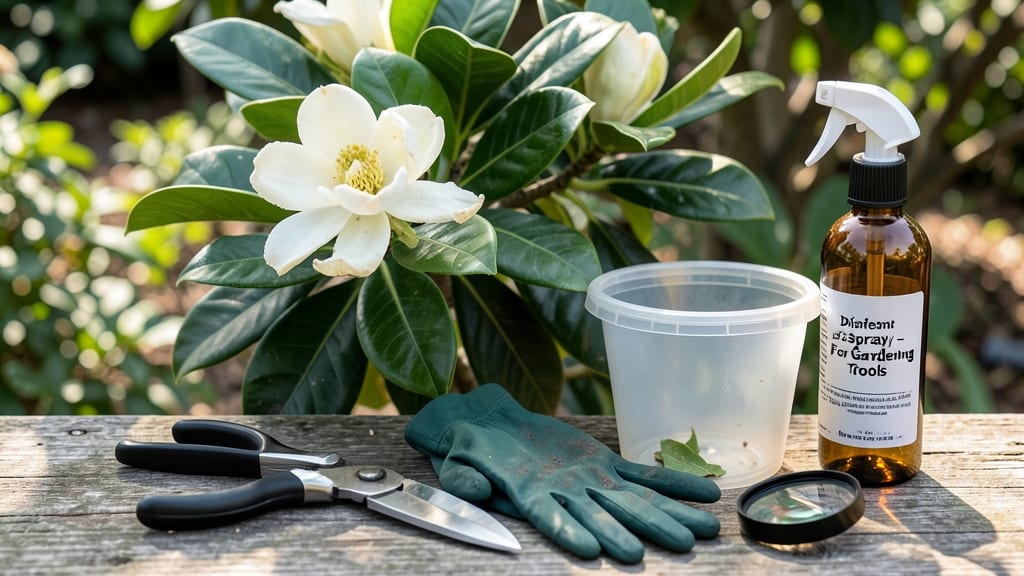
To prune gardenia plants for the most abundant blooms, aim for late winter dormancy—typically between February and March in most climates.
Struggling to get your gardenia plants to bloom more abundantly? The secret lies in strategic pruning—done at the right time, it can transform your plant’s health and flower production. But timing is everything, and one wrong move could harm your prized shrub.
Gardenia 🌸 thrives when pruned after its dormant season, just as new growth begins. This timing encourages stronger stems and more buds for the next blooming cycle. In USDA Zone 9b (and similar mild climates), late winter is ideal, but colder regions may need to wait until early spring.
Below, I’ll walk you through the exact steps, common mistakes to avoid, and how to tell if you’ve pruned at the perfect moment—so your gardenia bursts into full, fragrant bloom.
Best time to prune gardenia plants for maximum blooms
Timing your gardenia pruning perfectly is the key to abundant blooms and a healthier plant. Unlike many shrubs, gardenias bloom on old wood, meaning last year’s growth produces this year’s flowers.
Pruning too early or too late can reduce flowering or stress your plant. The ideal window is late winter, just as the plant emerges from dormancy but before new growth begins.
Most gardeners in USDA zones 8-11 should prune between mid-February and March, aligning with your region’s last frost date. For example, in Zone 9b (like Florida or Southern California), prune in February when daytime temps consistently reach 60°F.
In cooler Zone 8 (e.g., Georgia or North Carolina), wait until late March to avoid frost damage.
Here’s how to spot dormancy signs: Leaves may drop, stems appear woody and bare, and the soil feels cool but not frozen. Avoid pruning in winter’s chill (December-January) or spring’s active growth (April onward).
Early pruning removes next year’s flower buds, while late pruning can stimulate weak, leggy growth with fewer blooms.
Microclimates play a huge role in gardenia pruning. For example, a south-facing slope warms faster than a north-facing yard, so prune the slope’s gardenias 1-2 weeks earlier.
Similarly, urban areas with heat islands may need slightly delayed pruning to avoid premature growth from artificial warmth. Always check the soil temperature—it’s the most reliable indicator.
One common mistake is pruning after the first flush of blooms in spring. This removes next year’s flower buds, which form on current-season wood after pruning. Instead, wait until all blooms have faded (usually by early summer) to do any light shaping pruning.
For maximum blooms, focus on late winter dormancy pruning as your primary strategy.
Regional variations also affect pruning tools. In Zone 11 (e.g., Miami), use sterilized shears to prevent fungal spread in humid air. In Zone 8 (e.g., Atlanta), a pruning saw may be needed for thicker stems.
Always clean tools with rubbing alcohol between cuts to avoid spreading gardenia rust or powdery mildew.
Pro tip: Mark your calendar for February 15th as a reminder to inspect your gardenias. If you see green buds forming, delay pruning by 2-3 weeks—this means new growth has already started. The goal is to prune just as the plant wakes up, not before or after.
Finally, avoid the temptation to prune heavily in one session. Gardenias respond best to moderate cuts: Remove dead or crossing branches first, then thin out 10-15% of the plant’s volume to improve airflow.
This balance ensures strong blooms without overstressing the shrub. Your reward? A garden filled with fragrant white blooms by summer.
Step-by-Step late winter pruning guide for gardenias
Late winter is the perfect time to prune your gardenia plants because they’re dormant, making it easier to see dead or diseased wood and shape them for better airflow.
This strategic pruning encourages lush growth and abundant blooms in spring—just follow these steps carefully to avoid mistakes that could harm your shrub. The key is to prune after the last frost but before new growth begins, typically in February or March depending on your USDA zone.
Before you begin, gather your tools: sharp bypass pruners, sterilized shears, gloves, and a bucket for clippings. Sterilizing your tools with rubbing alcohol prevents spreading disease between cuts.
Work on a dry day when the weather is mild—this reduces stress on your gardenia plants and makes cleanup easier. Always prune in the morning or late afternoon to avoid exposing fresh cuts to harsh sunlight.
When to Prune Gardenia Plants
- 📅 Step 1: Wait until late winter (Feb-March) after the last frost but before bud break.
- ✂️ Step 2: Look for dormant branches with no leaves or signs of dead wood (brown, brittle stems).
- 🌡️ Step 3: Prune in mild temperatures (50-70°F) to reduce plant stress.
- 🌿 Step 4: Shape the shrub by cutting 1/3 of the oldest growth to encourage new, flowering branches.
- 🌧️ Step 5: Avoid pruning if rain is forecasted—wet conditions spread disease.
Start by removing dead, diseased, or crossing branches first—these compete with healthy growth for nutrients. Use your bypass pruners to make clean cuts at a 45-degree angle, about 1/4 inch above a leaf node or outward-facing bud.
This encourages new growth in the right direction. For thicker branches, use your sterilized shears and cut just outside the branch collar to prevent tearing.
Next, focus on shaping the shrub for better airflow and sunlight penetration. Gardenias thrive with open canopies, so avoid overcrowding branches. Trim back overly dense areas by cutting branches back to their main stems or nearby lateral branches.
Never remove more than 1/3 of the plant’s foliage in one session—this can shock the shrub and reduce blooming. If your gardenia is leggy, prune the longest stems first to encourage a fuller shape.
Once you’ve finished pruning, decide what to do with your clippings. Healthy, disease-free branches can be composted to enrich your garden soil later. However, if you spot any signs of fungus or pests on the cuttings, dispose of them in the trash to prevent spreading.
After pruning, water your gardenia deeply to help it recover and reduce stress. Apply a 2-inch layer of mulch around the base to retain moisture and protect roots from temperature fluctuations.
Finally, monitor your gardenia closely in the weeks after pruning. Look for new growth as a sign that your pruning was successful. If you notice yellowing leaves or dropping buds, it may indicate over-pruning or stress.
In this case, reduce watering slightly and avoid fertilizing until new growth appears. With proper care, your gardenia will reward you with vibrant blooms all season long! 🌸