
Tools
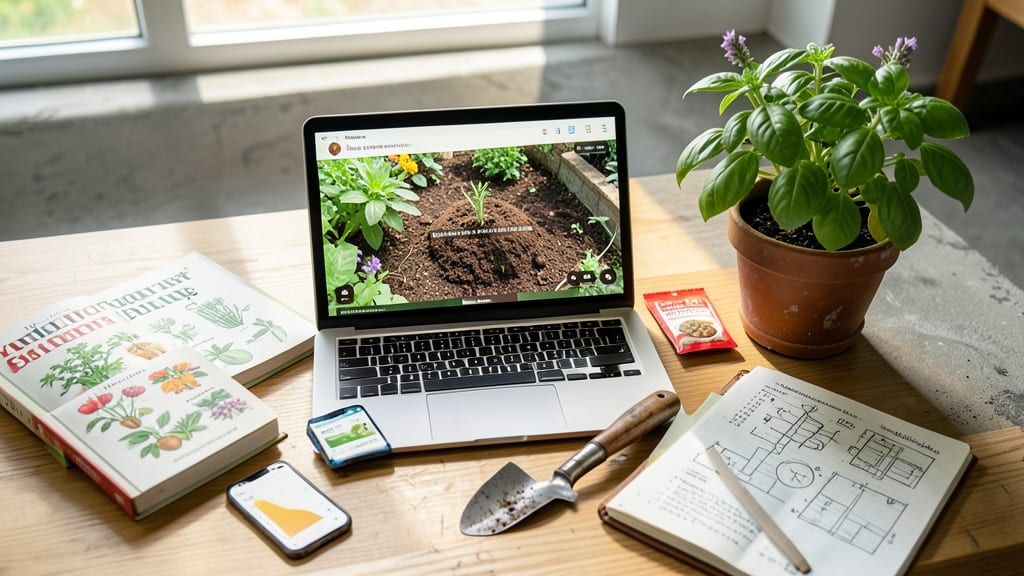
To learn gardening online, start with structured courses on Coursera, visual tutorials from YouTube channels like Epic Gardening, and free resources from the National Gardening Association. Beginners should focus on easy-to-follow guides and active community forums for real-time help.
Online gardening education has never been more accessible, thanks to platforms that cater to every skill level. 🌱 Coursera and Udemy offer structured courses covering everything from soil science to plant biology, while YouTube channels like Epic Gardening provide step-by-step visual guides for hands-on techniques.
The National Gardening Association's free resources are especially valuable for new gardeners, offering practical advice without overwhelming jargon. What sets these resources apart is their ability to combine expert knowledge with community support, making it easier to troubleshoot problems as they arise.
For those who prefer interactive learning, community forums and social media groups create spaces where you can ask questions and share progress. These platforms often include seasonal planting guides and troubleshooting tips tailored to specific climates, ensuring you get regionally relevant advice.
The key is matching your learning style—whether you thrive with structured courses or prefer visual, bite-sized tutorials—to maximize your gardening success.
💡 In This Article
- Top Free Online Gardening Courses and Certifications
- Best YouTube Channels and Blogs for Hands-On Gardening Tips
Top free online gardening courses and certifications
The best online gardening courses blend practical techniques with the science behind plant growth. Platforms like Coursera offer university-backed programs such as "Introduction to Plant Biology" from the University of Michigan, which covers photosynthesis, nutrient cycles, and soil microbiology in detail.
These courses often include interactive labs where you can test soil pH levels (ideal range: 6.0-7.0) and analyze plant nutrient deficiencies using real-world samples.
For hands-on learners, Udemy's "Organic Gardening Masterclass" stands out with its 12-hour video library and downloadable planting charts. The course breaks down complex topics like companion planting—where pairing basil with tomatoes can increase yields by 20-30%—through simple visual diagrams.
What makes these structured programs effective is their combination of theory and application, such as calculating water needs based on plant species and climate zones.
Certifications from platforms like edX add credibility for serious learners. The "Gardening and Plant Propagation" course from the Royal Botanic Gardens, Kew, includes a final project where you design a 100-square-foot garden plan with specific plant spacing measurements.
This practical approach helps you apply what you've learned about plant spacing (typically 12-24 inches apart for most vegetables) and seasonal timing directly to your own garden.
One key advantage of these courses is their modular structure. You can focus on specific areas like hydroponics or organic pest control without committing to a full curriculum.
For example, the "Urban Hydroponics" course on Udemy teaches how to set up a 5-gallon bucket system with precise nutrient solutions (typically EC 1.2-2.0 for leafy greens), complete with troubleshooting guides for common issues like root rot.
However, free courses often lack the personalized feedback found in paid programs. The National Gardening Association's free webinars, while excellent for foundational knowledge, may not offer the same level of interaction.
That's where community forums come in—many courses include private discussion boards where you can post photos of your plants and get expert feedback within 24-48 hours.
For advanced learners, platforms like MasterClass offer insights from professional gardeners, such as Mirabel's course on organic gardening techniques that have won blue ribbons at county fairs. These courses often include exclusive content like behind-the-scenes looks at high-yield farming methods used in commercial greenhouses.
Ultimately, the best course for you depends on your learning style and goals. If you're just starting, focus on free resources with interactive elements like quizzes or community support. For those aiming for professional certification, structured programs with hands-on projects will give you the most practical skills. 🌱