
Vegetables
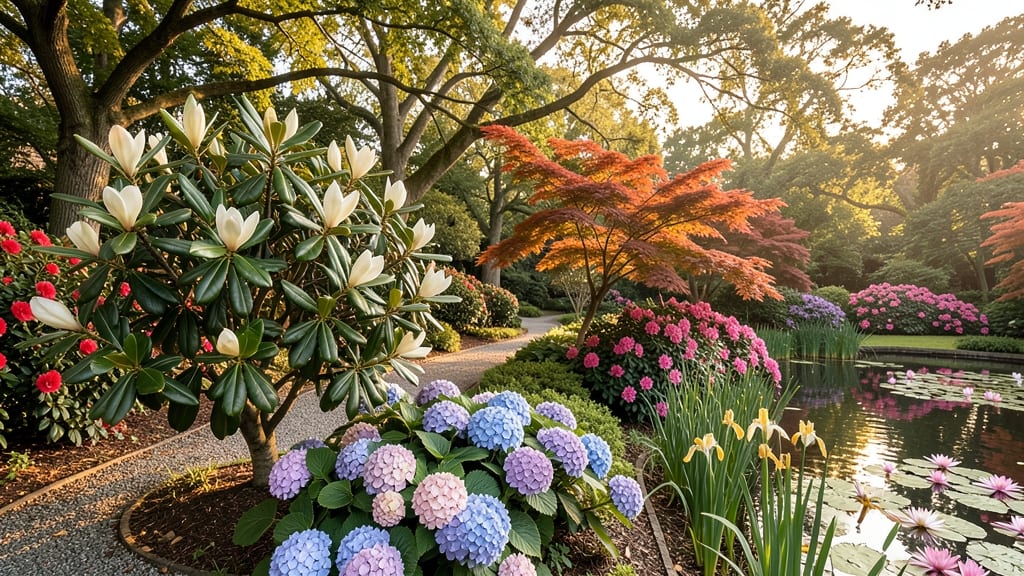
Riverside Botanic Gardens offers unique planting zones beyond its famous blooms, including the Mediterranean Conservatory showcasing drought-resistant plants and the Native Succulent Garden featuring California-native species. Their seasonal displays highlight azaleas in spring and camellias in winter, with updated bloom schedules available at the visitor center.
Beyond the garden's well-known floral displays, these specialized zones highlight California's diverse ecosystems. 🌿 The Mediterranean Conservatory, for example, features plants adapted to arid conditions, making it a standout for drought-tolerant landscaping inspiration.
Meanwhile, the Native Succulent Garden showcases over 200 species that thrive in Southern California's climate, offering practical gardening ideas for local residents.
The visitor center's monthly schedule helps you plan visits around specific blooms, ensuring you don't miss seasonal highlights like the vibrant wisteria in April or the bold dahlias in August.
The garden's layout also encourages exploration of less-visited areas like the Shade House, where tropical foliage creates a lush, shaded retreat. These hidden gems often provide the most memorable experiences, especially during off-peak hours when crowds thin out.
Whether you're a plant enthusiast or simply looking for a peaceful outdoor escape, Riverside Botanic Gardens delivers year-round beauty through its carefully curated collections and seasonal transformations.
💡 In This Article
- Exploring Riverside Botanic Gardens’ Secret Planting Zones
- Seasonal Blooms Calendar: When to Visit Riverside Botanic Gardens
Exploring Riverside Botanic Gardens’ secret planting zones
The Mediterranean Conservatory at Riverside Botanic Gardens is a masterclass in drought-resistant landscaping, featuring over 150 species adapted to arid climates.
Plants like lavender, rosemary, and olive trees thrive here because they’ve evolved to conserve water through thick, waxy leaves and deep root systems. 🌵 These adaptations make them ideal for Southern California gardens, where water conservation is critical.
The conservatory’s microclimate—maintained at 50-60% humidity—mimics the Mediterranean’s coastal regions, creating a stark contrast to the garden’s lush, water-dependent areas.
The Native Succulent Garden showcases California’s botanical heritage with 200+ species, including rare varieties like the blue cholla and desert spoon. Many of these plants store water in their thick stems, allowing them to survive months without rain—a trait that’s especially valuable in drought-prone areas.
The garden’s layout groups plants by ecological niche, so you’ll see coastal succulents near the entrance and desert-adapted species deeper inside. 🌿 This organization helps visitors understand how native plants interact with their environment, from soil composition to sunlight exposure.
The Shade House offers a tropical escape with its lush, humid interior, where ferns, orchids, and bromeliads thrive under 60-70% humidity. Unlike the arid conservatories, this space replicates rainforest conditions, complete with drip irrigation and misting systems.
The air here feels noticeably cooler and more moist, creating a sensory contrast to the garden’s drier zones. 🌿 Visitors often overlook this area, but it’s perfect for escaping midday heat or learning about understory plants that grow beneath forest canopies.
Each of these zones has an optimal visiting time to experience their full beauty. The Mediterranean Conservatory is best explored on weekday mornings when the light enhances the silvery-blue hues of drought-resistant plants.
The Native Succulent Garden shines in late afternoon, when the sun casts dramatic shadows that highlight their textures.
Meanwhile, the Shade House is most vibrant during weekend afternoons, when the humidity creates a misty, almost magical atmosphere. 🌿 Pro tip: Combine visits to these zones with the garden’s free guided tours, which often include behind-the-scenes insights from horticulturists.
What makes these hidden gardens truly special is their ecological storytelling. The Mediterranean Conservatory demonstrates how human agriculture has shaped plant adaptations, while the Native Succulent Garden highlights California’s unique biodiversity. The Shade House, with its focus on tropical species, connects visitors to global ecosystems.
Together, they offer a comprehensive look at how plants survive—and thrive—in diverse environments. 🌍 For the most immersive experience, bring a notebook to sketch your favorite specimens or snap photos of their unique features.
Don’t miss the hidden pathways that connect these zones. A winding trail leads from the arid conservatory to the succulent garden, passing through a transition area where you’ll see how different plants adapt to gradual changes in moisture.
This journey mirrors the real-world challenges of gardening in Southern California, where water availability varies dramatically. 💧 By the time you reach the Shade House, you’ll have experienced a full spectrum of plant resilience—from desert survivors to rainforest giants.