
Planting
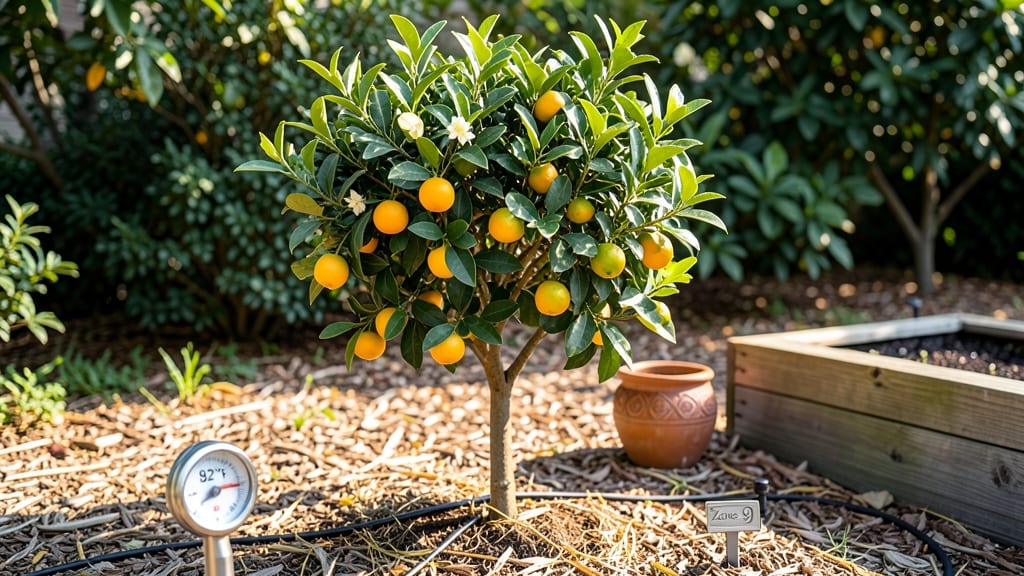
Zone 9 gardening succeeds with heat-resistant plants such as citrus trees, bougainvillea, and okra, requiring well-draining soil, regular mulching, and strategic watering to handle intense summer heat and occasional cold snaps. Prioritize drought-tolerant species and adjust planting schedules seasonally.
This climate zone's unique conditions—warm winters and scorching summers—demand plants that thrive under prolonged heat and occasional frost. 🔥 The key is selecting varieties that naturally resist drought while still producing vibrant blooms or bountiful harvests.
For instance, bougainvillea not only survives but thrives in Zone 9's heat, while citrus trees reward gardeners with year-round fruit when planted in well-draining soil. Mulching becomes especially critical here, as it helps retain moisture during dry spells while protecting roots from temperature extremes.
Smart watering practices—like deep watering in the early morning—can make all the difference in maintaining healthy plants without wasting resources. The goal is to mimic natural rainfall patterns, giving roots time to absorb moisture before the heat of the day evaporates it.
Many gardeners in Zone 9 also swear by drip irrigation systems, which deliver water directly to plant roots while minimizing waste.
💡 In This Article
- Understanding Zone 9 Climate and Plant Adaptations
- Top Zone 9 Plants for Year-Round Beauty and Productivity
Understanding Zone 9 climate and plant adaptations
Zone 9's climate—characterized by mild winters (rarely dropping below 25°F) and intense summers (often exceeding 95°F)—creates a unique growing environment where heat tolerance and water efficiency become critical. Plants in this zone must handle prolonged heat stress while also enduring occasional cold snaps that can damage frost-sensitive species.
The key adaptation here is selecting varieties with deep root systems that access moisture from lower soil layers, like desert-adapted succulents or native grasses that thrive with minimal irrigation.
Soil composition plays a pivotal role in Zone 9 success. The region's sandy or clay-heavy soils often lack organic matter, which is why amending with compost (3-4 inches) before planting improves water retention while preventing compaction.
Mulching with wood chips (3-4 inches) further regulates soil temperature, reducing evaporation rates by up to 70% during peak summer months. This is particularly important for heat-loving plants like bougainvillea, which can wilt dramatically if roots dry out, even in well-draining conditions.
Humidity levels in Zone 9—often ranging from 40-60%—create another layer of complexity. High humidity encourages fungal diseases in dense foliage, which is why airflow-optimized plant spacing (18-24 inches apart) and resistant varieties (like drought-tolerant salvias) are essential.
The trade-off? Many heat-loving plants, such as citrus, actually prefer slightly drier conditions to prevent root rot. This balance explains why well-draining soil with a pH of 6.0-7.5 is non-negotiable for most Zone 9 gardens.
Pest pressure in this zone is another critical factor. Warmer temperatures accelerate insect life cycles, meaning aphids and whiteflies can become overwhelming within weeks. Native predators like ladybugs and lacewings are your first line of defense, but chemical interventions should be reserved for severe outbreaks.
For example, neem oil—applied at 2% concentration every 7-10 days—effectively disrupts pest life cycles without harming beneficial insects, making it a go-to for organic Zone 9 gardeners.
Seasonal adjustments are the final piece of the puzzle. While Zone 9 offers year-round growing potential, late winter (February-March) is ideal for planting heat-sensitive crops like tomatoes, while summer (June-August) focuses on drought-resistant varieties.
The science behind this timing? Cooler soil temperatures in early spring reduce transplant shock, while summer's high heat triggers faster maturation in adapted species like okra, which can bolt if planted too early.
What most gardeners overlook is how microclimates within Zone 9 create localized variations. A north-facing wall might stay 10-15°F cooler than open sun exposure, allowing for frost-sensitive plants like hibiscus to thrive in sheltered spots.
This is why observing your specific conditions—using a soil thermometer (60-80°F range)—can mean the difference between a struggling plant and a thriving one.