
Container Gardens
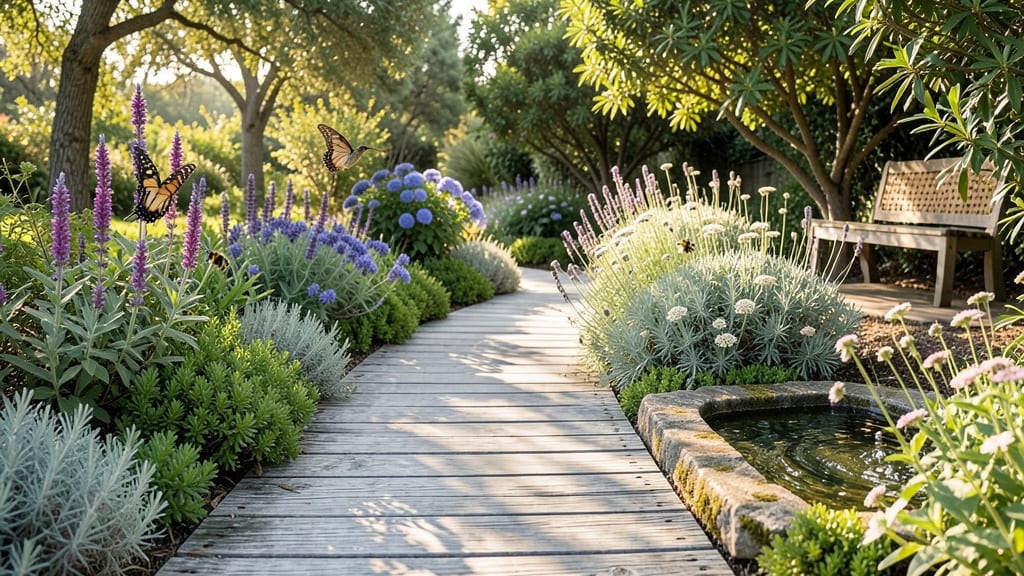
Alta Vista Botanical Gardens in Vista, CA, showcases California’s native plant diversity through themed trails, rare cactus collections, and drought-resistant flora, all while offering free entry and guided conservation tours.
This hidden gem in Northern San Diego County stands out for its commitment to preserving California’s unique ecosystems. 🌵 The gardens serve as a living laboratory for drought-tolerant species and endangered plants, with expert-led tours explaining their ecological importance.
Whether you're a plant enthusiast or just looking for a peaceful outdoor escape, Alta Vista offers something special—especially its lesser-known meditation garden and seasonal wildflower displays.
Don’t miss the Desert Garden trail, where rare cacti thrive, or the Woodland Walk, perfect for spotting native birds. The free admission makes it an ideal spot for families or solo explorers seeking both education and relaxation. 🌿
💡 In This Article
- Exploring Alta Vista’s Unique Plant Collections and Conservation Focus
- Best Hidden Trails and Seasonal Blooms at Alta Vista Gardens
Exploring Alta Vista’s unique plant collections and conservation focus
Alta Vista Botanical Gardens distinguishes itself through its specialized collections of California's native flora, particularly its rare cactus and drought-resistant species. The gardens house over 150 species of native cacti, including the endangered Oroya peruviana and Ferocactus viridescens, which thrive in the arid conditions replicated here.
These plants are carefully curated to demonstrate how native species adapt to low-water environments, with some requiring as little as 0.5 inches of water per month once established.
The conservation mission extends beyond display—Alta Vista partners with organizations like the San Diego Botanic Garden and California Native Plant Society to propagate endangered species. Their seed bank preserves genetic material from threatened plants, while restoration projects reintroduce native species to degraded habitats in nearby San Diego County.
For example, their work with the California gnatcatcher habitat has helped stabilize populations by restoring coastal sage scrub ecosystems. 🌿
What makes Alta Vista’s collections so valuable is their educational focus. Guided tours led by horticulturists explain the ecological roles of each plant—like how coyote brush supports pollinators or how manzanita prevents erosion.
The gardens also host workshops on native landscaping, teaching visitors how to create water-wise yards using plants from the collection. This hands-on approach turns passive observation into active conservation.
Themed gardens like the Desert Garden and Woodland Walk showcase different ecosystems in microclimates, with temperature variations from 90°F in full sun to 65°F in shaded areas. Each plant’s placement is intentional—succulents like agave and yucca are grouped to demonstrate their symbiotic relationships with native insects.
The meditation garden, a lesser-known area, features fragrant herbs like lavender and white sage to highlight their cultural significance to Indigenous communities.
For plant lovers, the citrus grove is a standout feature, showcasing 12 varieties of native and heirloom citrus adapted to Southern California’s climate. Unlike commercial groves, these trees are grown for their historical significance and pest resistance, with some dating back to the 1800s.
The grove’s low-chill requirements (as few as 200 hours below 45°F) make them ideal for modern growers facing climate change.
Visitors often overlook the children’s discovery area, where interactive exhibits teach kids about plant life cycles through touch-friendly displays. This space bridges the gap between education and engagement, making conservation tangible for younger generations.
The garden’s free entry policy ensures accessibility, while its volunteer-led programs provide deeper dives into specific collections—like the monthly cactus propagation workshops held in their greenhouse. 🌵