
Container Gardens
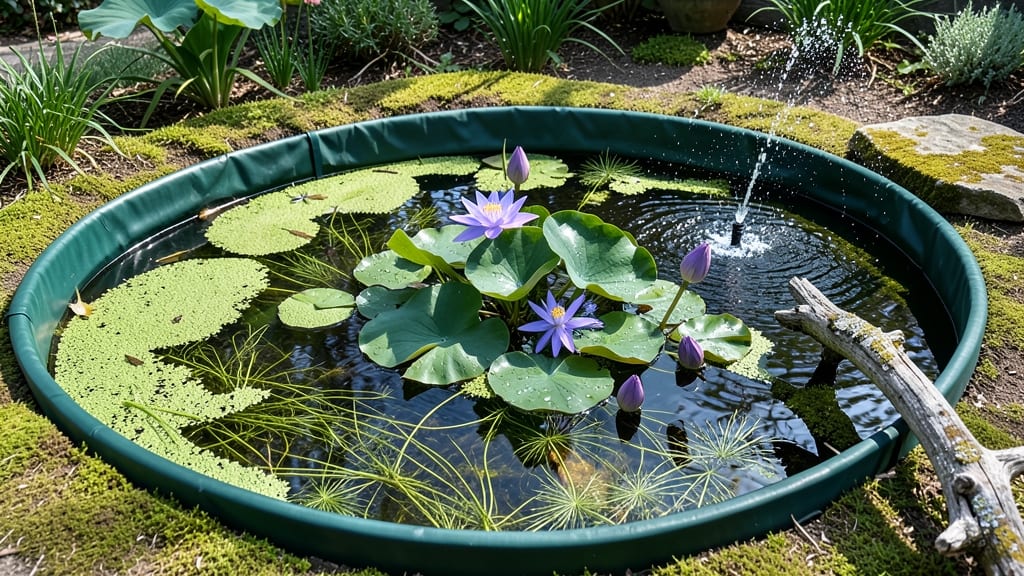
Finding aquatic gardens near you reveals tranquil spaces designed with water-loving flora, including vibrant lotus pads, oxygenating plants, and themed wetland areas like bogs and rain gardens that showcase sustainable landscaping techniques.
Aquatic gardens create microhabitats that mimic natural ecosystems, where each plant thrives in specific conditions. 💫 The shallow edges might host hardy cattails or pickerelweed, while deeper zones support submerged hornwort or anacharis that purify water.
Many local gardens incorporate native species—like blue flag iris or water lilies—that attract pollinators while requiring minimal maintenance. Visiting these spaces often sparks ideas for home projects, whether you're designing a small pond or a rain garden.
What makes these gardens particularly inspiring is how they blend art and ecology.
Themed sections like bog gardens demonstrate how acidic soils support unique plants, while pondscapes showcase aquatic stone arrangements that prevent erosion. 🌿 Many local nurseries stock these plants seasonally, so timing your visit aligns with spring or fall planting windows. The key takeaway?
These gardens prove that water features don't need to be complicated—they just need the right plants in the right places.
💡 In This Article
- How to Identify Unique Planting Zones in Aquatic Gardens
- Planning Your Own Aquatic Garden: Local Plant Sourcing Tips
How to identify unique planting zones in aquatic gardens
Aquatic gardens thrive by dividing space into distinct zones based on water depth, sunlight intensity, and soil composition—each dictating which plants can survive.
The shallowest areas, often called the "marginal zone," receive the most sunlight and oxygen, making them ideal for emergent plants like cattails or bulrushes, which root in moist soil but stand above water.
These plants act as natural filters, trapping sediment and absorbing excess nutrients before they reach deeper waters.
Deeper water zones (typically 12-24 inches deep) host floating plants like water lilies or lotus, which rely on sunlight penetrating the surface but avoid rooting in substrate. Their broad leaves create shade that regulates water temperature and reduces algae growth.
Meanwhile, submerged plants such as hornwort or anacharis thrive in 2-6 feet of water, using their oxygenating roots to support aquatic life while purifying the ecosystem. The key difference? Floating plants absorb sunlight from above, while submerged species rely on light filtering through water.
Bog gardens, another common zone, feature acidic, peat-rich soils where blue flag iris or cranberry plants flourish. These areas mimic wetlands, requiring minimal water movement but high moisture retention.
The science here is simple: bog plants evolved to handle saturated, oxygen-poor soils, making them perfect for rain gardens that manage stormwater runoff. 🌿 Understanding these zones helps you replicate them at home—start by testing your soil pH and measuring water depth before selecting plants.
Sunlight exposure is equally critical. Full-sun zones (6+ hours daily) support hardy species like pickerelweed, while partial-shade areas (3-6 hours) accommodate delicate water hyacinths. Shady spots near trees often become havens for water ferns or water crowfoot, which thrive in cooler, low-light conditions.
Pro tip: Observe how light shifts throughout the day—morning sun may suit some plants, while afternoon shade works better for others.
Local climate plays a hidden role too. In colder regions, hardy water lilies or yellow flag iris survive winter dormancy, while tropical gardens might feature blue water lilies that require warmer temperatures. Always check plant hardiness zones (USDA zones 3-10) when sourcing species for your area.
The goal? Balance aesthetics with ecology—each zone should serve a purpose, whether it's filtering water, supporting wildlife, or simply adding beauty.
For a hands-on approach, sketch your garden layout before planting. Label zones by depth (0-6 inches for marginals, 6-18 inches for floating plants) and sunlight (full sun, partial shade).
This visual guide ensures you place oxygenators in deeper areas and emergent plants at the edges, creating a self-sustaining aquatic ecosystem. 💫