
Planting
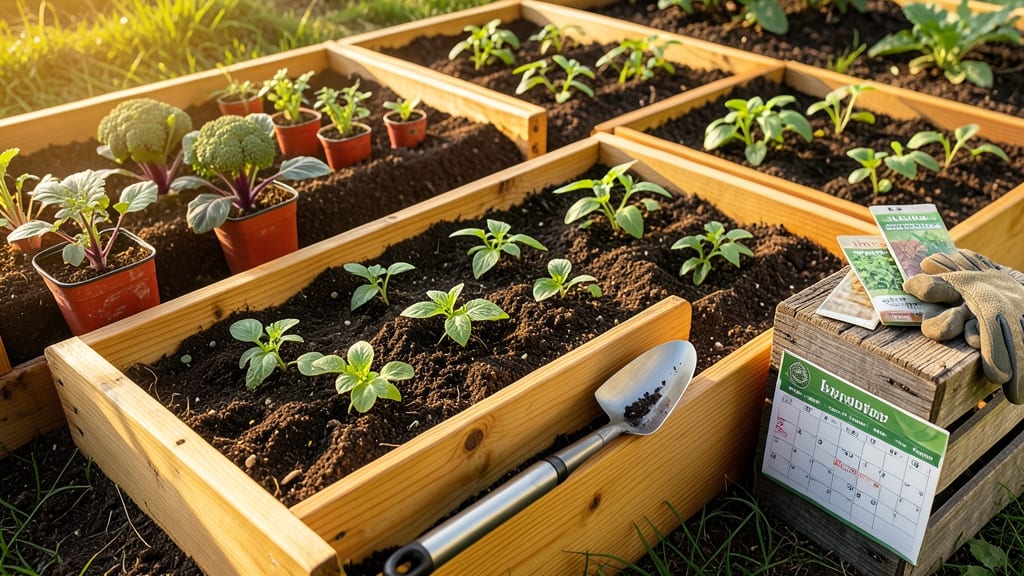
Planting your garden in Kentucky at the right time means the difference between a thriving harvest and a wasted season 🌱.
Kentucky’s USDA Zone 6b climate offers a surprisingly long growing season—but planting at the wrong time can mean wasted effort and stunted plants. Timing is everything, and missing these windows could leave your garden struggling against frost or heat.
Cool-season crops like lettuce and peas love the March to May window, while tomatoes and peppers need to wait until after the last frost—usually around mid-April—when soil temperatures hit 60°F.
Fall planting for greens and root vegetables kicks off in August, giving you a second chance at fresh produce before winter sets in.
In this guide, I’ll break down the exact planting calendar for Kentucky, share tips for adjusting to unpredictable weather, and highlight the best plants for your zone—so you can maximize your garden’s potential without the guesswork.
Kentucky’s USDA Zone 6b planting calendar: exact dates for vegetables, flowers, and herbs
Kentucky’s USDA Zone 6b climate gives gardeners a 180-day frost-free window, but timing your plantings correctly makes all the difference. The Bluegrass Region and Cumberland Plateau may have slightly different microclimates, but these general guidelines will help you maximize your garden’s potential.
Whether you’re planting cool-season crops like lettuce or warm-season favorites like tomatoes, knowing the exact dates ensures healthy growth and bountiful harvests.
For most of Kentucky, the average last frost date falls around March 15, while the first frost typically arrives by November 15. However, elevation changes in the Cumberland Mountains can push frost dates back by 1-2 weeks, so always check local records.
In the Bluegrass Region, you might safely plant earlier, while higher elevations may need to wait until April 1 for warm-season crops.
Cool-season crops like broccoli, spinach, and peas thrive when planted 4-6 weeks before the last frost, ideally in February or early March. These hardy plants can even handle light frosts, making them perfect for Kentucky’s unpredictable spring weather. Warm-season crops, including tomatoes, peppers, and cucumbers, should wait until after April 15 when soil temperatures consistently stay above 60°F.
| Plant Type | Best Planting Window | Sunlight Needs | Soil Temp (°F) | Notes |
|---|---|---|---|---|
| Cool-Season Veggies (Lettuce, Spinach, Peas) | Feb 15 - Mar 15 (Spring) / Aug 1 - Sep 1 (Fall) | Full Sun to Partial Shade | 40-60°F | Tolerates light frost; harvest before bolting |
| Warm-Season Veggies (Tomatoes, Peppers, Cucumbers) | Apr 15 - May 15 (After Last Frost) | Full Sun (6+ Hours) | 60-70°F | Use row covers for early starts; transplant seedlings |
| Flowers (Marigolds, Zinnias, Petunias) | Mar 1 - Apr 30 (Spring) / Jul 1 - Aug 15 (Fall) | Full Sun to Partial Shade | 50-70°F | Deadhead for continuous blooms; mulch for moisture |
| Herbs (Basil, Cilantro, Dill) | Mar 15 - Apr 15 (Spring) / Aug 1 - Sep 1 (Fall) | Full Sun (4-6 Hours) | 55-75°F | Basil bolts in heat; succession plant cilantro |
| Perennials (Daylilies, Coneflowers, Lavender) | Mar 1 - Apr 30 (Spring) | Full Sun to Partial Shade | 50-65°F | Plant in well-draining soil; mulch after establishment |
If you’re growing cool-season crops like kale or carrots in fall, aim for August 1 to ensure they mature before the first frost. These crops can handle cooler temperatures, but a hard freeze will damage even the hardiest varieties.
For warm-season crops, consider using row covers or a mini greenhouse to extend the season—this is especially useful in Kentucky’s shorter growing windows at higher elevations.
For herbs like basil, plant in late spring after the last frost, but be prepared to harvest before summer heat sets in. Basil bolts quickly when temperatures exceed 85°F, so
How to adjust planting times for Kentucky’s unpredictable weather patterns
Kentucky’s USDA Zone 6b climate can swing from late frosts in May to sudden summer heatwaves by June. These shifts make traditional planting calendars unreliable. I’ve learned the hard way that even tomatoes and peppers—my favorite high-risk crops—can suffer if planted too early or late.
The key is flexibility and preparation.
First, track your local frost dates beyond the averages. The National Weather Service or Kentucky Mesonet provides real-time updates. I use a frost-free date tracker app to adjust my schedule.
For example, in Lexington, last frosts can occur as late as April 15, while Paducah might see frost until April 25. These differences matter for cool-season crops like lettuce and spinach.
Next, monitor soil temperature—not just air temperature. A soil thermometer ($10 at garden centers) is a game-changer. Most warm-season crops need soil temps above 60°F for 2 weeks before planting.
In my Louisville garden, this often means waiting until mid-May for tomatoes, even if the air feels warm earlier.
⚠️ callout warning
Kentucky’s unpredictable late frosts can wipe out tomatoes, peppers, and cucumbers if planted too soon. Use row covers or wait until May 15 (or after 5 consecutive days above 50°F) for warm-season crops. For cold-sensitive plants, consider starter plants instead of seeds to avoid delays.
🌱 Pro Tip: Plant basil and marigolds first—they tolerate cooler temps and signal when it’s safe for tomatoes.
For backup planting strategies, I use succession planting and container gardening. If a late frost threatens, I move pepper plants to black plastic pots on wheels and roll them into a sunny garage until danger passes.
Alternatively, I plant fast-maturing varieties like ‘Early Girl’ tomatoes (50 days to harvest) instead of longer-season types.
Don’t overlook microclimates in your yard. A south-facing slope warms up faster than a north-facing bed, so I plant warm-season crops there first. I also use cold frames to extend the season for spinach and kale in early spring or late fall.
These simple adjustments can add 4-6 weeks to your growing season.
Finally, keep a gardening journal to note when you plant and harvest each year. Over time, you’ll spot patterns—like when your last frost tends to hit or when summer heat arrives early.
Last year, I adjusted my zucchini planting by 2 weeks after noting a heatwave in late May stunted my usual schedule. Now, I plant mine by June 1 for a longer harvest.
With these strategies, you’ll turn Kentucky’s unpredictable weather into an advantage. Start with soil temps, use row covers, and embrace flexible planting—your garden will thank you with bigger yields and healthier plants. 🌱