
Pests
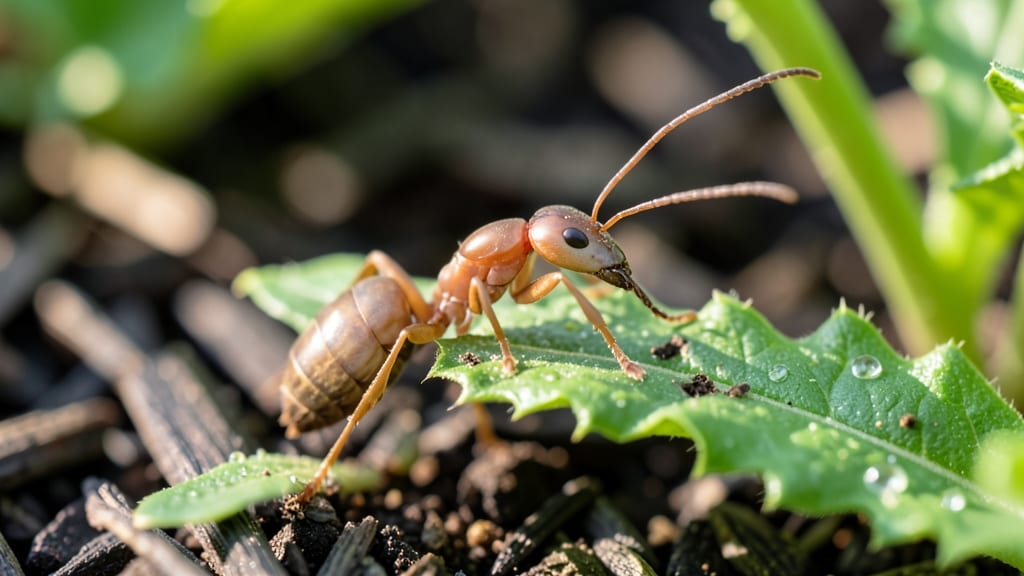
Ants in a garden aren’t inherently bad—they aerate soil, disperse seeds, and control pests like aphids, but certain species (e.g., carpenter ants) can damage plants or wood structures while others may disrupt root systems by tunneling excessively.
Ants actually play a dual role in garden ecosystems. 🌱 On one hand, they improve soil quality by breaking down organic matter and creating tunnels that enhance drainage and root growth.
Their pest control benefits are also significant, as many species prey on harmful insects like aphids, which can weaken plants.
However, not all ants are garden allies—some species, such as carpenter ants, can chew through wood in garden structures, while others may create tunnels that destabilize plant roots or compete with beneficial soil microbes for nutrients.
Understanding which ants are present in your garden is key to determining whether intervention is needed. For example, harvester ants help disperse seeds, while fire ants can harm plants and even pose risks to pets.
If you notice large mounds or damage to plant stems, it’s time to take action—but for most small, scattered trails, ants are likely doing more good than harm.
💡 In This Article
- How Ants Benefit and Harm Garden Ecosystems
- Managing Ants in Your Garden: Natural Solutions
How ants benefit and harm garden ecosystems
Ants act as nature's tiny garden engineers, creating intricate tunnel networks that aerate soil and improve its structure. These underground pathways enhance water drainage by up to 30% while allowing roots to access oxygen more efficiently.
Their foraging habits also break down organic matter, accelerating nutrient cycling—studies show ant activity can increase soil fertility by 15-20% in just one growing season. The most beneficial species, like pavement ants, even disperse seeds through their nesting behaviors, promoting plant diversity.
However, this ecosystem service comes with caveats. Some ants cultivate harmful relationships with pests like aphids, protecting them in exchange for honeydew—a sugary secretion that fuels ant colonies. This mutualism can lead to aphid infestations that weaken plants by extracting sap, leaving behind sticky residue that attracts sooty mold.
The real damage occurs with species like leafcutter ants, which harvest plant material to cultivate fungus gardens, effectively pruning young plants and creating unsightly trails through garden beds.
The most destructive ants target structural components rather than plants. Carpenter ants, for instance, excavate wood using their mandibles to create nests, compromising garden structures like trellises or wooden fences. Their tunneling weakens wood integrity by 20-30% annually if left unchecked.
Even their presence can deter beneficial insects like bees and ladybugs, which avoid areas with aggressive ant activity due to territorial conflicts.
What often goes unnoticed is how ants disrupt soil microbiology. Their tunneling can fragment beneficial fungal networks that help plants absorb nutrients, while their acidic waste products may alter soil pH in localized areas.
The key distinction lies in species behavior—harmless ants like fire ants (despite their name) actually improve soil through their mound-building, while invasive species create ecological imbalances that require intervention.
Visual identification becomes crucial when assessing ant impact. Look for large, smooth mounds (harvester ants) versus small, irregular piles of debris (leafcutters). Carpenter ants leave behind sawdust-like frass near wood structures, while pest-protecting species create visible trails between plants and aphid colonies.
Understanding these patterns helps determine whether ants are allies or threats in your garden's delicate balance.
Most gardeners tolerate ants until they notice visible plant damage or structural compromise. The threshold for intervention typically occurs when ant trails exceed 10 feet in length or when plants show signs of stress like wilting or honeydew buildup. At this point, their negative impacts often outweigh their soil-enhancing benefits.