
Pests
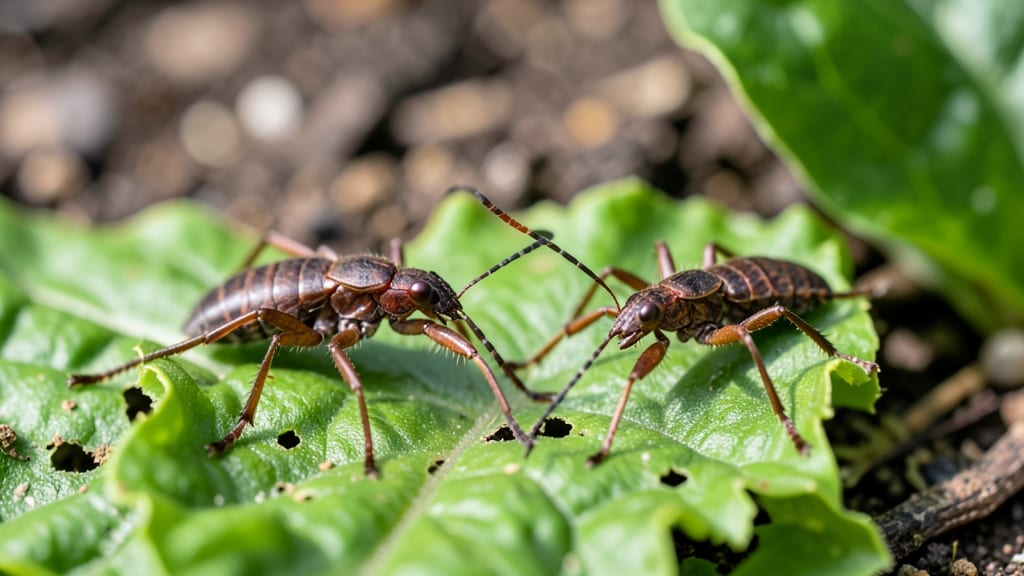
Earwigs aren’t bad for gardens—they actually control pests like aphids, break down decaying plant material, and help decompose organic waste, though they may nibble on leaves or flowers if overpopulated. Their harmful reputation is often overstated for most home landscapes.
Earwigs actually perform valuable services in your garden ecosystem.
These nocturnal insects play a crucial role by consuming harmful pests like aphids, mites, and even small caterpillars, which means they can reduce the need for chemical pesticides. 🌱 Their feeding habits also help break down dead plant matter, improving soil health by recycling nutrients back into the soil.
The occasional leaf damage they cause is usually minimal compared to the benefits they provide, especially in organic gardening systems.
However, their presence can become noticeable when populations grow too large, particularly in moist environments where they thrive. This is when you might start seeing more visible damage to flowers or tender young plants.
Understanding their behavior—like how they roll into protective balls when disturbed—can help you manage them effectively without harming your garden's natural balance.
💡 In This Article
- Earwigs’ Role in Garden Ecosystems: Predators or Plant Menace?
- Natural Ways to Manage Earwig Populations Without Harming Your Garden
Earwigs’ role in garden ecosystems: predators or plant menace?
Earwigs are actually voracious predators of garden pests, consuming up to 100-200 aphids per night—a single earwig can eat its body weight in prey daily.
Their diet also includes mites, small caterpillars, and even other earwigs during mating season, making them natural pest controllers. 🌿 This predatory behavior is particularly valuable in organic gardening, where chemical pesticides are avoided.
Studies show that earwigs can reduce soft-bodied insect populations by 30-50% in treated areas, similar to the impact of ladybugs but with less public recognition.
Their soil benefits go beyond pest control. Earwigs are detritivores, meaning they break down decaying plant matter, compost piles, and leaf litter, which aerates the soil and accelerates nutrient cycling.
Their tunneling activity improves soil structure, allowing water and air to penetrate more easily—a process comparable to earthworms but on a smaller scale. In a 1-square-meter garden bed, you might find 50-100 earwigs during peak activity, each contributing to this ecological service.
However, their reputation as plant destroyers stems from their occasional leaf damage. Earwigs have mandibles designed for shredding rather than piercing, so they prefer tender new growth, flower petals, and fruit skins over mature leaves.
The damage typically appears as irregular notches along leaf edges, not the clean holes made by caterpillars. This behavior becomes noticeable when populations explode—often in shady, moist areas with dense mulch or compost piles, where they find ideal breeding conditions.
What most gardeners don't realize is that earwigs are nocturnal and hide during the day, making their presence subtle until populations grow. Their defensive behavior—curling into a protective ball when threatened—often leads to myths about them being aggressive, when in reality, they're just trying to survive.
The key factor determining their impact is population density: in balanced ecosystems, their benefits far outweigh any minor leaf damage.
Consider this comparison: A single earwig can consume 50-100 aphids in one night, while it might nibble on 1-2 leaves in the same period. For most home gardens, this trade-off is overwhelmingly positive.
Only in high-value ornamental gardens or organic vegetable plots might their leaf-chewing become a concern, requiring targeted management rather than eradication.
Their ecological value extends to pollination assistance too. While not primary pollinators like bees, earwigs occasionally visit flowers for moisture and inadvertently transfer pollen between plants. This secondary role makes them part of a functional garden food web, where every organism plays a specific part in maintaining balance.